











Even the casual student of why aircraft accidents happen knows that in a large percentage of them, weather is a factor. (Its about 15 percent.) Thats not to say weather caused the accident, just it was implicated as one link in the chain of events that led to the typical accident. When we think “weather,” icing, thunderstorms, low visibility and turbulence come to mind, as well they should. 288
Improper IFR
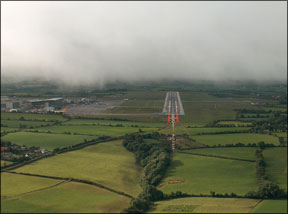
Even the casual student of why aircraft accidents happen knows that in a large percentage of them, weather is a factor. (Its about 15 percent.) Thats not to say weather caused the accident, just it was implicated as one link in the chain of events that led to the typical accident. When we think "weather," icing, thunderstorms, low visibility and turbulence come to mind, as well they should. But the NTSBs accident files reveal a particular subset of accidents in which pilots operating in flyable if challenging IMC prang perfectly good airplanes into terrain and obstacles for no apparent reason. The agency throws these into a grab bag category it blandly calls "improper IFR." This catchall describes a narrow range of sins, but most of them relate to vertical rather than horizontal transgressions. We read enough accident reports to confess a certain discouragement at the level of skill-or lack thereof-of the typical pilot in the U.S. But theres good news: The number of incidents of NTSB-reported improper IFR have declined markedly in recent years. The NTSB reported no accidents in this category between 2006 and 2009, but there were 47 between 1989 and 2005.

Key Takeaways:
- "Improper IFR" accidents, characterized by pilots failing to follow published procedures in Instrument Meteorological Conditions (IMC) leading to collisions with terrain or obstacles, have significantly declined but remain highly fatal (68% fatality rate).
- The leading cause of these accidents is descending below the Minimum Descent Altitude (MDA) on non-precision approaches, often due to inattention or attempts to gain visual contact prematurely.
- While other procedural errors like botched missed approaches and unstable approaches also occur, the key takeaway emphasizes strict adherence to published vertical profiles and procedures in IFR flight.
Key takeaways sponsored by Aviator Pro | Start Your Training ->
See a mistake? Contact us.

