Register

Training & Sims

Authorization Required

You can do a lot with an instrument rating and appropriately equipped aircraft-slice through clouds, take-off zero-zero and fly VOR, ILS, GPS and even (if you care) NDB approaches. None of these operations require special qualifications beyond the instrument rating. For example, many of us got instrument ratings before GPS, yet were authorized to fly GPS approaches. But, there are things an instrument-rated pilot cant do, even with certified equipment. Wanna fly a CAT II approach? Sorry. How about an ILS CAT I SA or RNAV (RNP)? Nope, cant do those either. What gives?

Read More »

Maybe You Shouldnt Do that

I once undertook a ferry flight that was, well, dumb. Similarly, a type-specific magazine I get recently ran a true-confessions story by a pilot who, in the clarity of hindsight, probably should have missed, not landed.Most of us accomplished pilots (as the masthead says) can do far more in an airplane than we should. What does that mean? Well, I mean we probably could, for example, safely fly an airplane that isnt quite airworthy or perhaps we could complete an approach to a landing using abnormal maneuvers and live to tell (or brag) about it later.

Read More »

A Tale of Two Pilots

Pilots retiring from professional flying and downsizing into personal aircraft often want to fly something thats capable, yet simple and efficient. Thats understandable, as they want to use their extensive experience. Theyre also flying for themselves (and paying for it), so an airplane that economically delivers practicality and enjoyment is the goal. The following examples reflect the common downsizing profiles Ive seen.

Read More »

So, Your New Ride is Smaller

Shrinking size, horsepower and number of engines requires big adjustments as you ease into the life of a light-airplane pilot. But smaller and simpler still requires proper transition training.

Read More »

Down-Transitions

Many of our ranks are professional pilots because they simply love to fly. They find a way to fly no matter what. For them, retiring from a career in aviation simply means they no longer get paid to fly, but theyll find a new ride. These are usually superb pilots-pilots pilots-but they can sometimes struggle when transitioning from a magic carpet with dual FMS, dual radar, dual engines, surplus power, autothrottles…and redundant redundancy. Of course, there are also many owner-operator pilots who fly sophisticated aircraft ranging from bizjets to piston twins who similarly find themselves looking for a new way to sustain that aviation fix as they retire.

Read More »

Briefing: July 2015

More than 4400 comments were filed in response to the FAAs proposed rule for allowing small unmanned aircraft into the national airspace system, and the general aviation advocacy groups had their say. EAA, AOPA, and the General Aviation Manufacturers Association all said the FAA should lower the ceiling for small UAS operations to 400 feet, instead of the proposed 500 feet, to provide a bigger buffer between UAS and manned aircraft. Other suggestions included requiring UAS to automatically terminate flight if communications are lost, and ensuring that the operators of manned aircraft arent required to add new equipment as a result of UAS integration. The FAA will now review the comments before publishing a final rule, which is expected to take up to 18 months.

Read More »

Readback: June 2015

I read your editorial The Drones Are Here with interest. You asked the question When was the last time you flew below 400 feet away from an airport? My answer is: yesterday.As a seaplane pilot, I do this all the time over bodies of water. So do thousands of other seaplane and helicopter pilots. There is no way on earth that we would ever be able to see and avoid these tiny toy aircraft-at least not in time for the avoid part-and for sure, their untrained operators would not be likely to anticipate and avoid us. It is not a matter of if, but when someone will be killed by these dangerous drone operations. I guess our lives are less important than the interests of hundreds of thousands of drone hobbyists.

Read More »

Readback: May 2015

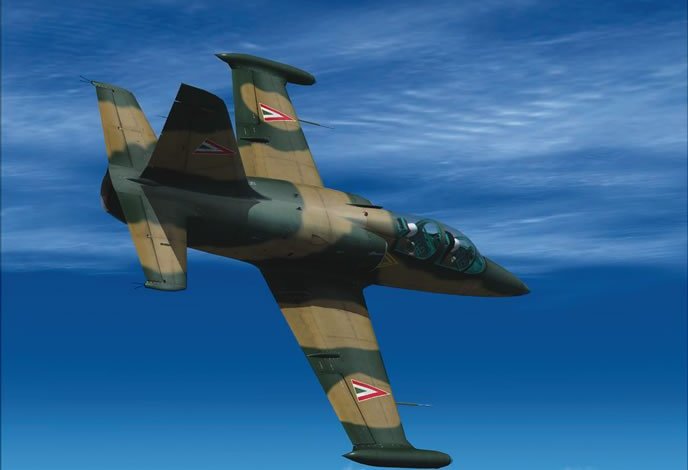
Rick Durdens December 2014 complex article about tailplane icing was well researched and well written. It also proved prophetic.At Cincinnati Municipal while my L-39 was being fueled, Bill Rieke, an icing researcher, came over to chat. He said that he thought the L-39 would be particularly susceptible to tailplane icing and stall because of the smallness of tailplane, the thinness of the airfoil and the need for ventral VGs.

Read More »

Do You Know Ice?

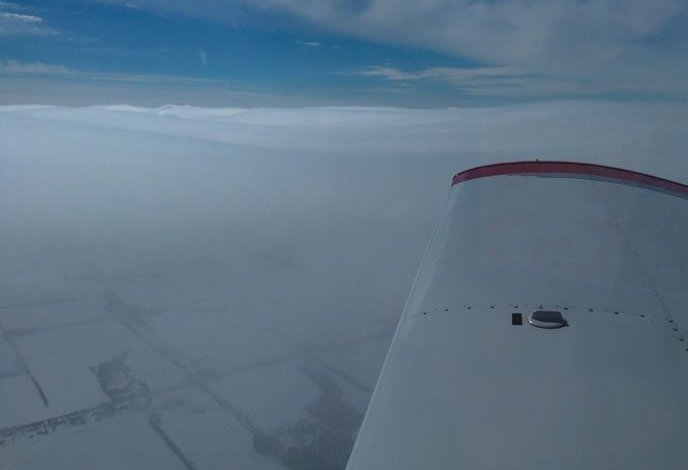
Februarys Cowboy and Cowards sparked some passionate responses about known icing and my assertion that known icing is observed icing. To better understand known icing, we need to look at the concept from definitional, legal, and safety perspectives.

Read More »

More Than a Currency Flight

As a CFII, I do plenty of recurrency training for instrument flyers as a safety pilot and coach and as an instructor conducting an IPC. I like to use the IPC content as a starting point. Heres a typical example:

Read More »
Pilot in aircraft
Sign-up for newsletters & special offers!

Get the latest stories & special offers delivered directly to your inbox.

SUBSCRIBE