Register

System

GOT DME?

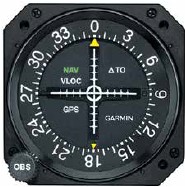
With full RNAV equipment, the occasional ILS might seem quaint, but it’s still a useful procedure. It even requires RNAV in some updated versions. Meanwhile, there are still plenty of ground-based navaids to accommodate the full spectrum of aircraft capabilities, all the way down to “legacy” avionics, of which, yes, there really are lots. Some […]

Read More »

VORs in the G1000

Garmin has sold over 16,000 Garmin G1000 units since its introduction in 2003. Properly used, a G1000 can make you look mighty good trekking the skies under IFR. Pilots gravitate to its feature-rich GPS capabilities. Yet too many pilots shortchange themselves if they neglect the machine’s considerable VOR resources. If your G1000 lacks WAAS, then […]

Read More »

ICAO Flight Plan, Again

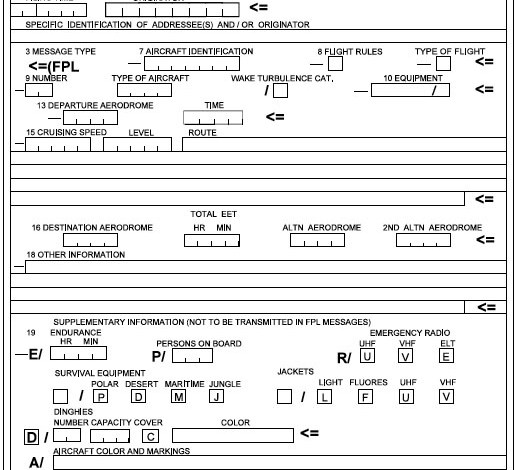
August 2019, marked the end of the FAA Domestic Flight Plan. The ICAO Flight Plan form is required in the U.S. for all VFR and IFR flights. Yet, there are two areas that still create confusion: Item 10. Equipment, and Item 18, Other Information. Many pilots struggle with these codes and ask: 1.) Does ATC […]

Read More »

Under Pressure

Dialing in the altimeter setting is perhaps one of the most universal, timeless rituals of aviation, spanning decades, continents, and cultures, and tying all pilots to one another. This underscores the importance of atmospheric pressure and its effect on flight safety. But how much do you know about where those numbers come from? In this […]

Read More »

Remember VORs?

Area navigation using GPS has been around (for us) for about 30 years. Before that we did mostly the same thing using LORAN for a while. But, the National Airspace System was designed around VHF Omni- Range navigation stations, VORs, that long preceded GPS. Technically, there are three types: VORs that just provide azimuth information, […]

Read More »

Got GPS?

Our IFR avionics are getting evermore capable, allowing us single-pilot fliers to shoot RNAV approaches once reserved for the big iron. While most standard satellite-based approaches have become basic fare, there are now some new notes we’re finding on the charts that require figuring out what the onboard GPS really is allowed to do. This […]

Read More »

You Could Fly a Cat II ILS

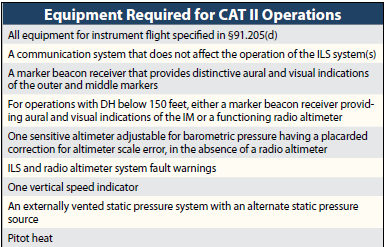
Category I ILS approaches, long our low-weather mainstay, offer us minimums as low as 200 feet above the touchdown zone with RVR 1800 feet or higher. That’s low, but as it develops, not as low as you can go. CAT II approach approval opens about 160 public CAT II approaches to GA, easing access to […]

Read More »

GTN Essentials Training

Years ago, I attended Garmin’s combined G500 and GTN classroom training. This got me comfortable with my new avionics. However, not everyone is able to attend in-person training. To meet the needs of its customers, Garmin also now offers some computer based training (CBT). A number of courses are offered, but to sample Garmin’s CBT, […]

Read More »

AFCS: Friend or Foe?

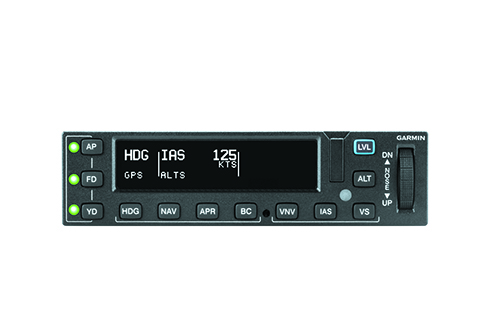
Full-regime automatic flight control systems (AFCS) consist of at least a flight director (FD) and an autopilot (AP). “Full regime” means the AFCS has enough modes to control the aircraft from after takeoff to short final. It also means the AP controls the trim to operate over the full airspeed and centerof- gravity envelope. Selecting […]

Read More »

Advanced Avionics Errors

The FAA and NASA have identified errors commonly made by pilots using advanced avionics. Each of the errors discussed below were unearthed during research in which pilots and flight instructors took part. If we can exorcise these mistakes, our advanced avionics can deliver on their promises of increased safety and utility. Let’s walk through these […]

Read More »
Pilot in aircraft
Sign-up for newsletters & special offers!

Get the latest stories & special offers delivered directly to your inbox.

SUBSCRIBE