IFR Magazine

Readback: March 2018

Well, I guess you and the FAA will have to spank me. The stabilized approach is just a technique. Some pilots do not believe in this concept and fly decelerating final approaches for a specific reason-better energy available.

Read More »

ATP-The Ultimate IPC

A good friend of mine is a physician and a pilot. (No, there isnt a Bonanza in his hangar; he happily flies a Mooney Ovation.) Ive always found him to be a very safety-conscious pilot. He gets an IPC every six months and does other periodic training. When he wanted to do something different, I suggested he get an airline transport pilot certificate with an airplane single-engine land rating. (ATP-SEL) Why? was his first reaction. I dont need it for the kind of flying I do.

Read More »

Download the Full February 2018 Issue PDF

Recently I had lunch with my friend and colleague Jeff Van West, Jenny Van West, a talented musician and Jeffs delightful wife, and 14-year-old Baxter, their youngest son. Baxter is an uncommonly bright and interesting young man with the not-uncommon black-and-white simplistic view of the world that is the purview of youth.

Read More »

Charted Visuals

Recently, as is customary when I give an instrument proficiency check (IPC), before the flight I review en route and approach charts with the pilot. While randomly going through the Florida approach book, we saw the North Bay Visual RWY 18L charted visual flight procedure (CVFP) at the St Pete-Clearwater airport (KPIE) and a couple questions came up.

Read More »

Getting the Run Around

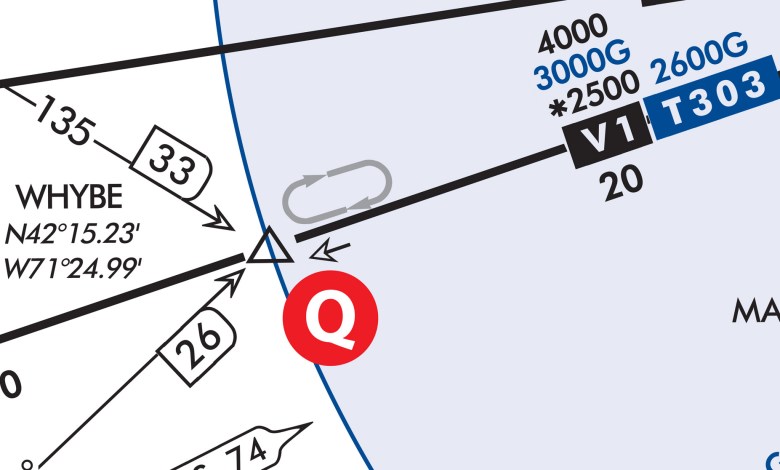
Some things are inevitable. Sunrises and sunsets. A character in every Star Wars movie saying, Ive got a bad feeling about this. Also… at some point during your instrument flying career, youre going to get your first of many reroutes.

Read More »

Pain in the Aspen

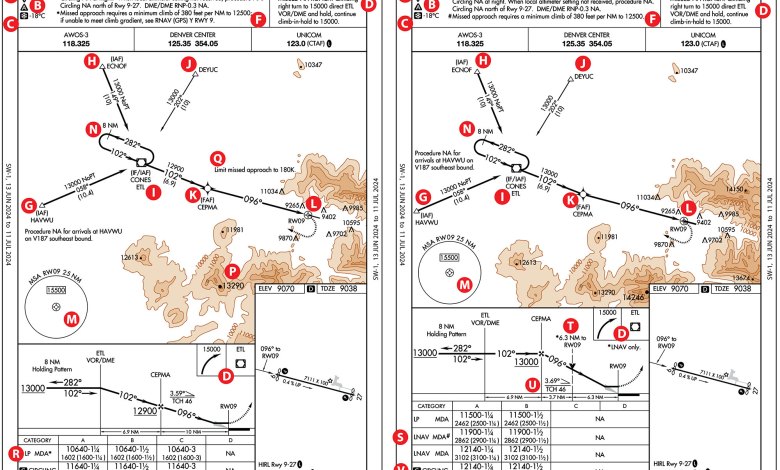
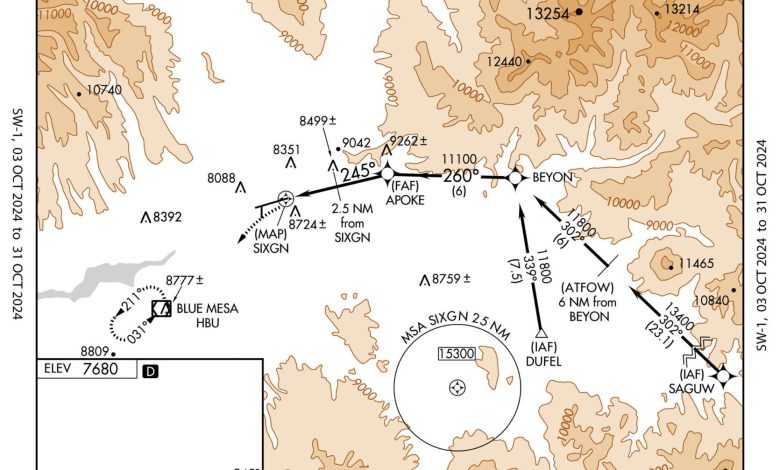
It had to happen one of these times. Today youll fly the approach that makes NetJets pilots wish theyd taken that cargo job over the Great Lakes: the infamous LOC/DME-E into Aspen, CO. Its 3500 feet of localizer stepdowns to a MAP thats still 2.6 miles from the runway. The missed is a climb on dedicated backcourse past hills so dramatic one Citation pilot friend puts it: When we fly into Aspen, I dont look out the window until were about to land. And even then, I dont look up. Many companies require special training to fly paying passengers into Aspen, Eagle, and similar mountain airports.

Read More »

BasicMed Status Report

After about eight months, as of early November, according to AOPA, approximately 25,000 pilots had taken advantage of BasicMed since the official roll-out on May 1, 2017. Since the FAA does not track this, we dont know the exact percentage of pilots who did not have a current medical after a multi-year hiatus from flying and decided to get back into flying with BasicMed, as opposed to pilots with medicals who renewed expiring medicals with BasicMed. AOPA estimates about 50% for each group. It will probably take at least two years for the BasicMed numbers to stabilize as pilots with current medicals decide to renew with BasicMed, but at this time it seems to be working.

Read More »

Chicagos Scenic Route

Pilots around Lake Michigan know theres a popular route down the lakeshore with the Chicago skyline just off the wingtip. This offers fantastic views of downtown Chicago and is a practical way to transit from eastern Wisconsin to anywhere southeast of Windy City. You might even have a reason to stop at Chicago Midway and get a really close look at that famous skyline.

Read More »

The Dreaded Squall Line

February and March bring the peak season of the squall line. They are perhaps the most formidable of all the mid-latitude weather systems. Most of us at one time or another have witnessed the alarming black mass spanning almost the entire western horizon, followed by the fury of raw wind, small hail, and torrential rains. Indeed these storms were recognized by early Scandinavian fishermen and traders for the sheer amount of rain they produced. In the 17th century the Norwegians gave us the word skval, meaning a sudden rush of water, anglicized to squall by the sailors of Britain.

Read More »

On The Air: February 2018

I was on an IFR arrival into Houston a while ago with busy Approach Control, when I heard the following exchange:Approach Control: N1234 say altitude.N1234: Altitude.Approach without hesitation and very patiently: N1234 say the altitude you are flying.N1234: Oh, 5500 feet.Approach: Thank you. Altimeter 29.93.

Read More »
Pilot in aircraft
Sign-up for newsletters & special offers!

Get the latest stories & special offers delivered directly to your inbox.

SUBSCRIBE