IFR Magazine

IFR is Dead – Long Live IFR

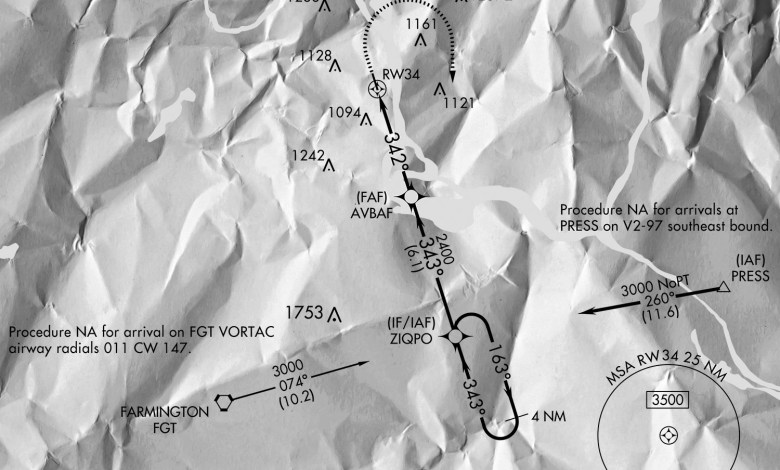
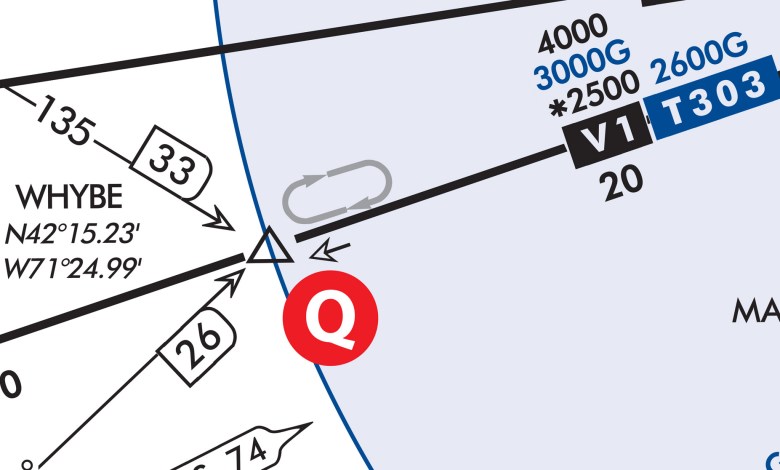
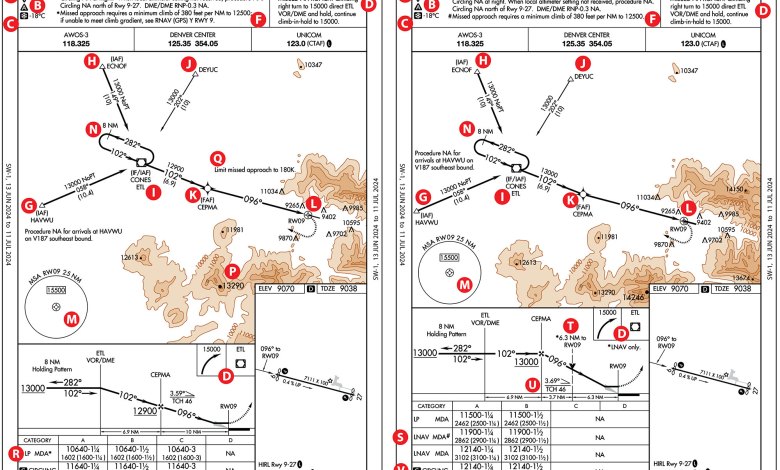
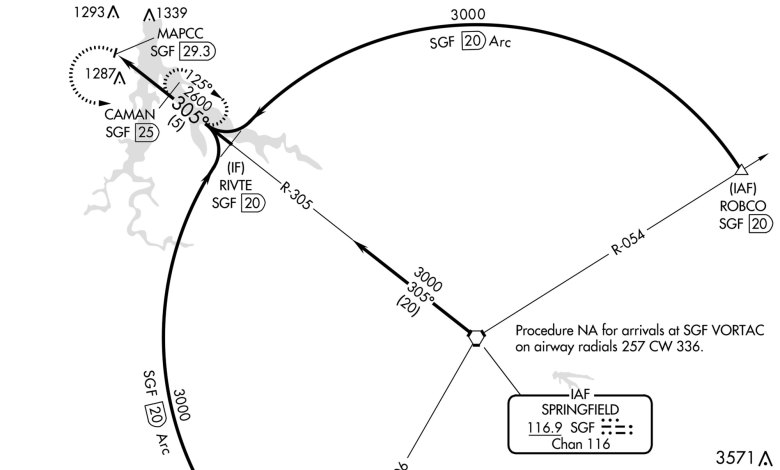
It doesnt take much insight to see where instrument flight is headed. Nonetheless, intrepid editors are supposed to prognosticate on such things, so Ill give a shot at plucking some of this low-hanging fruit.It wont be too long-perhaps 10 years, perhaps longer-before terrestrial navaids will all but disappear. Instead, everything will be RNAV-based, from T and Q Routes replacing todays Victor and Jet airways to RNAV approaches. Conventional SIDs and STARs will morph into RNAV procedures. Unfortunately, terrain will still require us to fly circling approaches. However, its entirely possible that those circling approaches will be charted and in the database, making them little more difficult than a charted arc or hold is today.

Read More »

RNAV SIDS and STARs

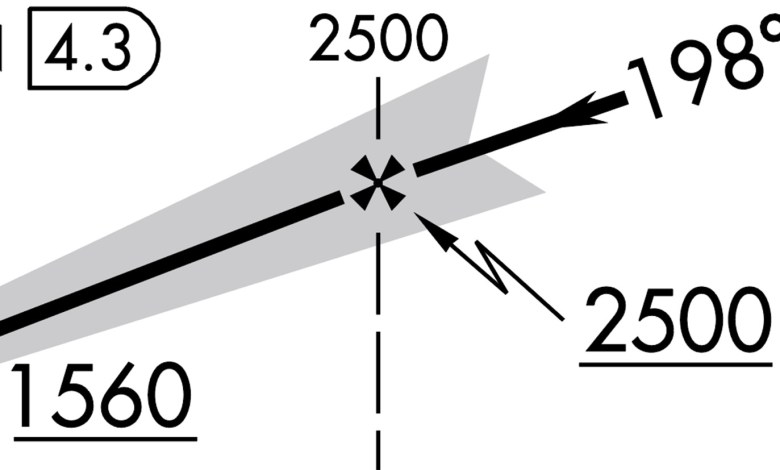
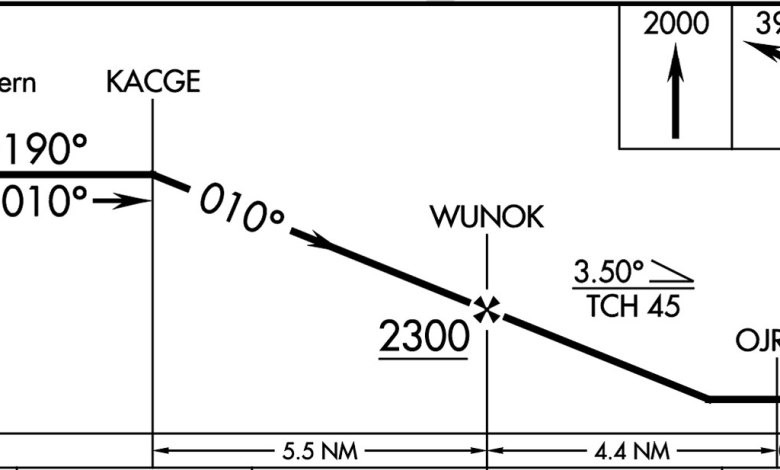
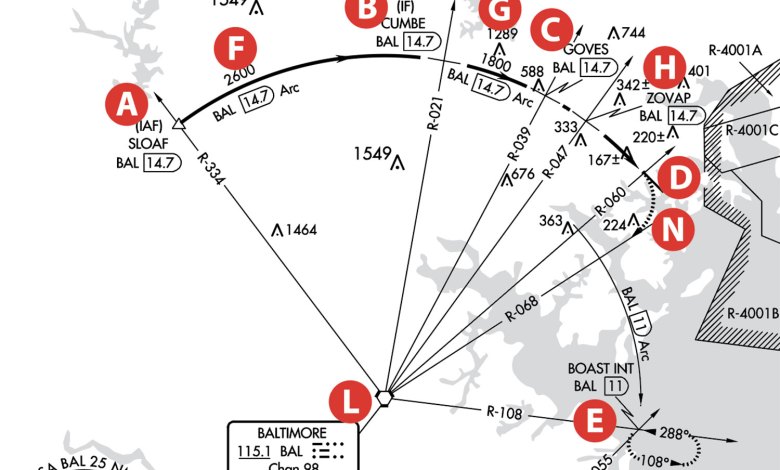
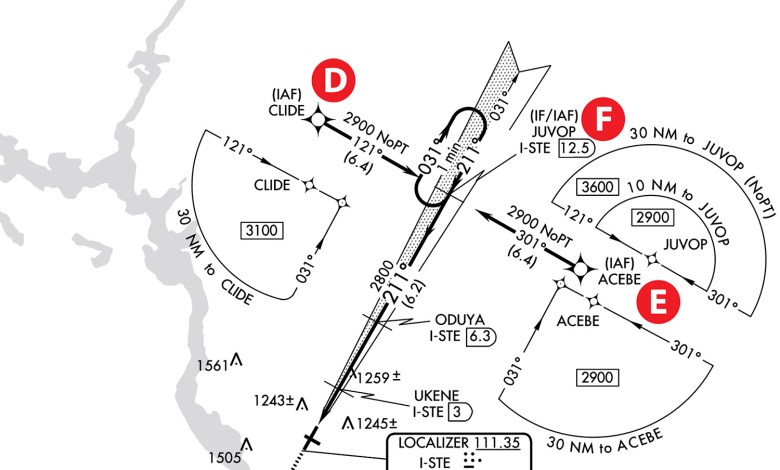
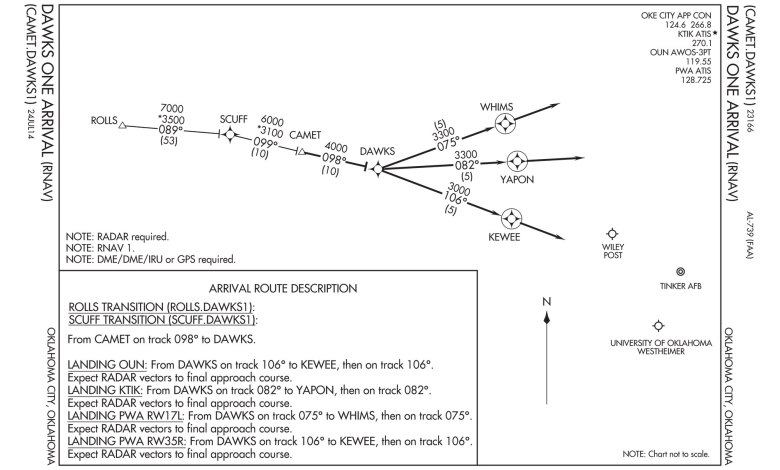
The RNAV SIDs and STARs have been around for a few years with more popping up every day. In fact, theyve become such an integral part of the ATC system that you hardly see any new SIDs or STARs that arent RNAV. Although weve published a few articles that cover certain aspects of these procedures, we still get a lot of questions about them. Its time for a thorough analysis of these procedures.

Read More »

IFR Gone Good

I recently had a beautiful IMC flight on which I relearned how wonderful our capability to operate in the IMC world is. Its easy to lose that awe for the beauty of our environment and the utility of the machines at our disposal as we move safely through this environment. Such is the stuff of poets. So this is not a story of drama over bad weather, near misses or close calls. Its a story of the unique advantage and perspective that the few humans who call themselves pilot have been able to experience and enjoy.

Read More »

Silent Running

Part of training in the air traffic control profession is learning to recognize patterns in the flow of aircraft. Knowing what to expect from our traffic makes it all the more obvious when something doesnt look or feel right. Its not a spidey-sense or anything, but it can help us recognize developing situations more quickly.

Read More »

Calling For Help

Flight is a study in contrasts, well beyond the obvious thrust versus drag equation. A brilliant blue sky rife with possibilities and adventure can quickly turn woefully lonely when your aircraft or the people in it are in distress. No good pilot intends for an emergency to happen. Each item on an aircraft checklist, every scan of an instrument and every word of a briefing is one more brick in the wall fending off a potential crisis. Still, even if you followed every procedure perfectly, basic human error, mechanical failure or plain bad luck can plunk you in the deep end of the pool.When youre in the midst of a devolving situation, perhaps youll hear mental echoes of your flight instructors voice. Rely on your training. Go through your checklists. Keep a cool head and resolve the problem to the best of your ability. Whats the most important thing after flying the airplane? Remembering youre not alone up there. Air traffic control has resources at its disposal that can help you put it down safely, and theyre just a radio call away.

Read More »

Bag of Tricks

Teaching teaches the teacher. Ive got over 4000 hours total time and of that over 3000 hours teaching instruments. In that time, my students have taught me quite a bit and Ive picked up a few tricks on my own. Heres a compendium of helpful little tips and tricks.

Read More »

GA Takeoff Minimums

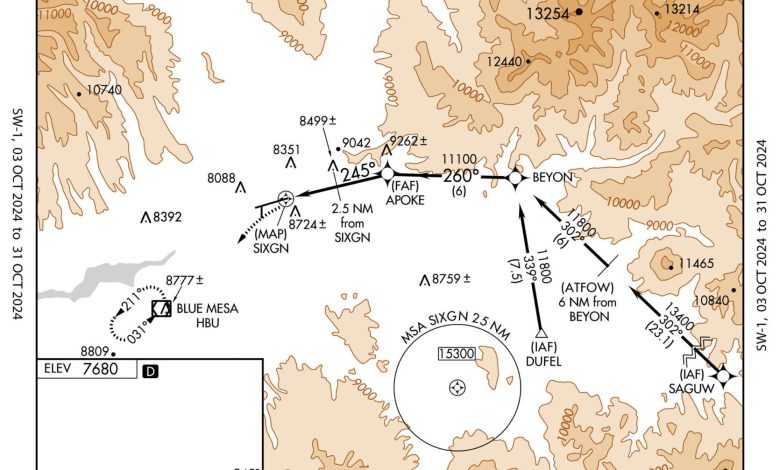
Many sharp instrument students and pilots, when asked what items must be considered for an IFR departure, go confidently to Section L of the Terminal Procedures Publication, TPP, and talk about the Obstacle Departure Procedures, ODPs. This makes me confident theyre on the right track. But many will then either gloss over or improvise their way through the section on takeoff minimums. This information looks important, with restrictive numbers and climb gradients in it. Many CFIIs, though, just teach that it doesnt matter at this stage. True enough, but knowing a little about them can help us make better departure decisions.

Read More »

Briefing: March 2015

Diamond Aircrafts single-engine turboprop prototype completed its maiden flight in January, in Austria. The DA50-JP7 seats seven and is powered by a fuel-efficient Ukrainian-built 465 hp AI-450S engine. Diamond plans to also offer a Tundra version of the aircraft, featuring beefed-up wheels and landing gear. Certification is expected in the second half of 2016. Also in January, Nextant Aerospace announced the first test flight of its remanufactured G90XT design. The project, which launched about a year ago, matches a refurbished King Air C90A with the new GE H75 engine, a Garmin G1000 cockpit, electronic engine controls, dual-zone air conditioning, and many more upgrades. Certification and first delivery are expected in the second quarter of this year.

Read More »

On the Air: March 2015

My brother is an air traffic controller here in our city. My father and I occasionally get the chance to be on frequency with him when his schedules and our flights overlap. Radio transmission quality makes it hard to know for sure if we are talking to him or not.

Read More »
Pilot in aircraft
Sign-up for newsletters & special offers!

Get the latest stories & special offers delivered directly to your inbox.

SUBSCRIBE