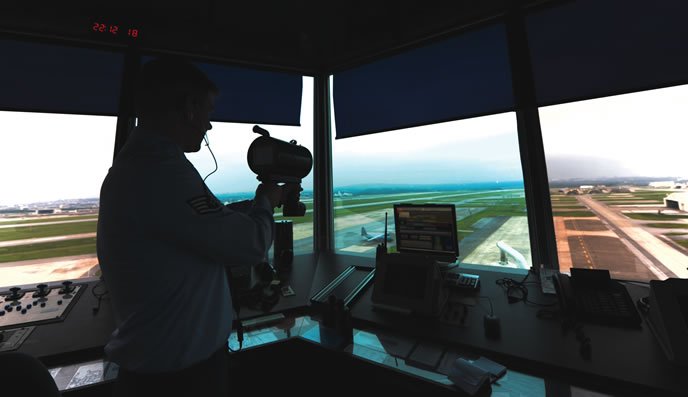
Part of training in the air traffic control profession is learning to recognize patterns in the flow of aircraft. Knowing what to expect from our traffic makes it all the more obvious when something doesnt look or feel right. Its not a spidey-sense or anything, but it can help us recognize developing situations more quickly.
An air traffic controller identified an unannounced Piper Cherokee in a busy pattern after noticing an unusual, persistent radar target between known aircraft.
The pilot of the Cherokee had experienced a sudden and complete electrical failure mid-flight, losing radios, transponder, GPS, and fuel gauges, leading to disorientation and mistaking the airport for another.
The incident highlights the importance of air traffic controllers' vigilance and pattern recognition, and for pilots, the critical value of carrying spare communication and navigation equipment.
Part of training in the air traffic control profession is learning to recognize patterns in the flow of aircraft. Knowing what to expect from our traffic makes it all the more obvious when something doesn’t look or feel right. It’s not a “spidey-sense” or anything, but it can help us recognize developing situations more quickly.
CREATE A FREE ACCOUNT
Sign up to keep reading
Create a free account to continue. Already a member? Sign in below.