IFR Magazine

CFIT on Departure

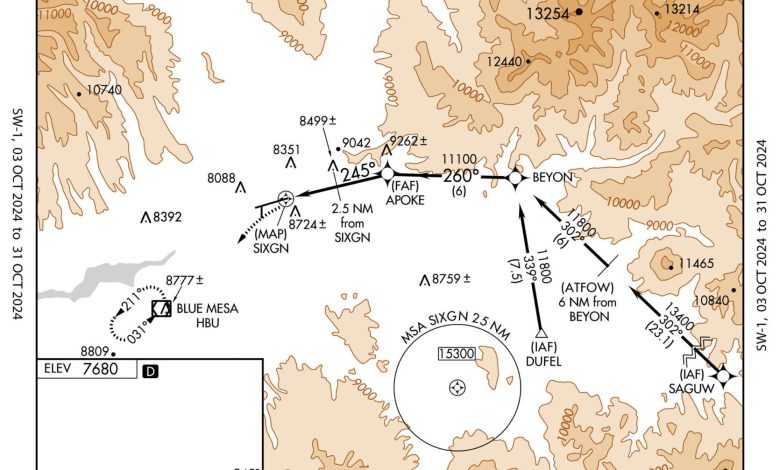
Pilot responsibilities differ from a controllers. The regs state, the pilot in command of an aircraft is directly responsible for, and is the final authority as to, the operation of that aircraft. This authority and responsibility is granted with the intention that its used to ensure safety-a pilots primary obligation. Yet, pilots keep having controlled flight into terrain (CFIT) accidents, often with fatalities. Its the second leading cause of commercial aviation fatalities worldwide. NTSB Board Member Robert Sumwalt described CFIT as the problem that never went away. CFIT frequently occurs at night or in IMC.

Read More »

Missed Approaches

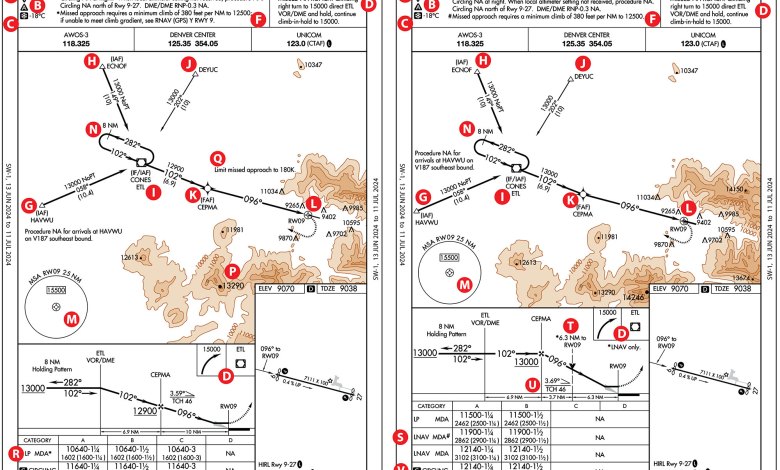
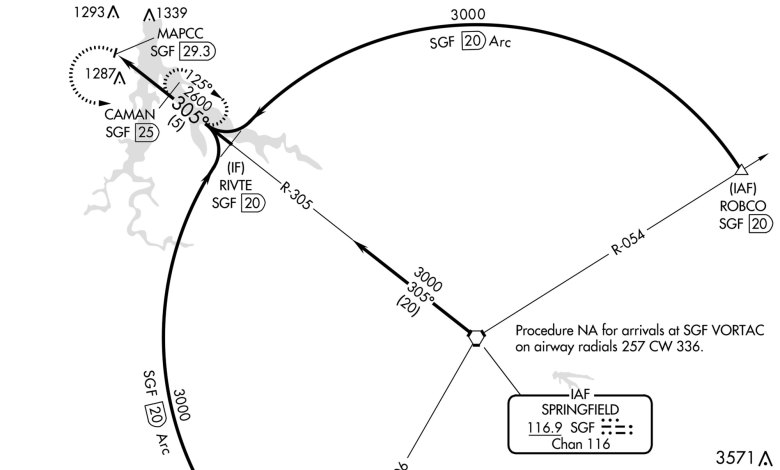
Climbing to hold over an airport to wait for better weather or traffic is nearly always referenced against a VOR that is located on or very close to the airport, so you really cant get lost. Plus, theres at least one runway right below in case of any issues that might develop. Whats more, obstacle clearance is straightforward-poles, towers and trees are only so tall and you dont have to worry about encountering significant terrain rising up from the airport itself.

Read More »

Aircraft Cockpit Proficiency

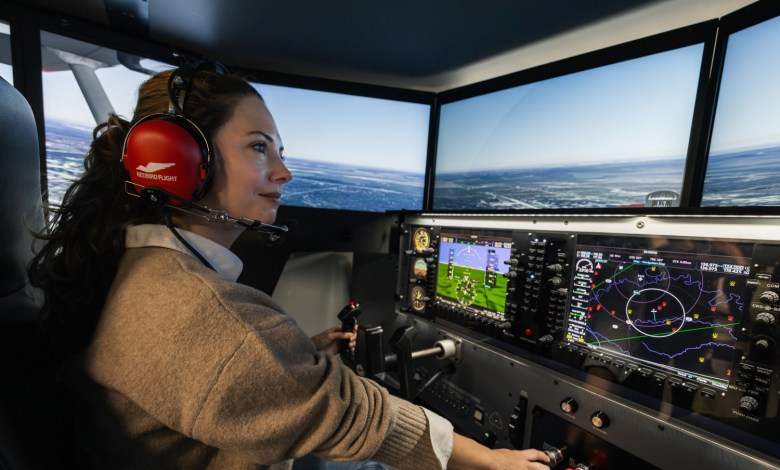
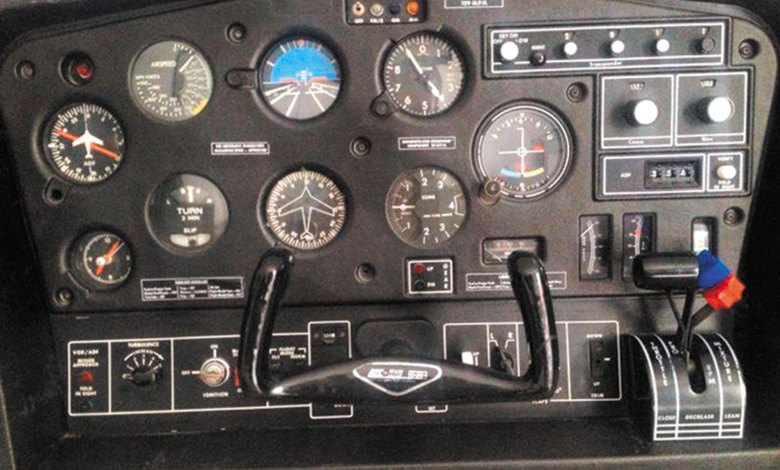
In the age of satellite navigation, electronic instrumentation and multi-function displays with moving maps, each aircraft is different. Just because you can fly an Avidyne Integra-equipped Cirrus doesnt mean you can jump into a Perspective (a.k.a. Garmin G1000) Cirrus. Or, for that matter, even an old steam-gauge Piper. Now we need proficiency not just on an instrument scan and IFR procedures, but on the installed devices as well.

Read More »

Flight Traffic Displays

Marginally effective, see-and-avoid is based on the big sky theory; the sky is big and airplanes are small so the chances of running into each other are minimal. Our vision limitations in an airplane combined with massive blind spots foreshadow disaster. In 2014, pilots reported 163 near mid-air collisions. Most involved GA. Who knows how many occurred without either pilot realizing?

Read More »

Download the Full July 2016 Issue PDF

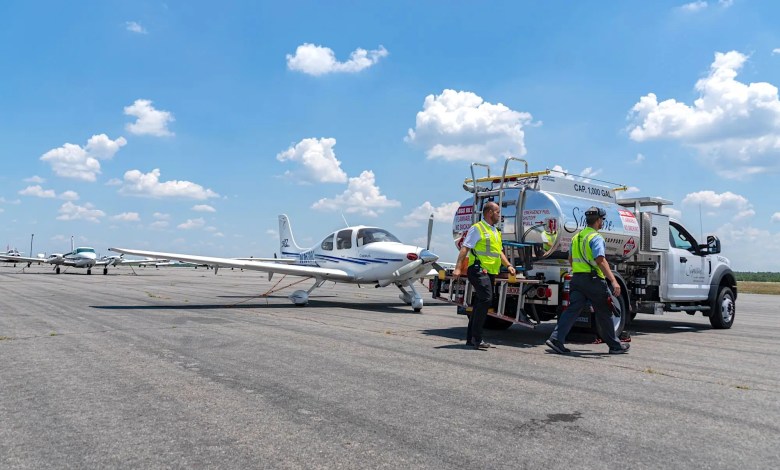
While an FBO might have policies, published hours and options galore for the wayfaring airman, at many airports, the lowly line man or woman is your first and last line of defense when you are up against any of the scenarios he mentioned, and a host more. They can make or break your trip, and they know it. How much he or she cares may very well be tied to how you treated them the last time your presence graced their ramp.

Read More »

General Aviation News: July 2016

The Airbus Perlan Mission II team, which aims to fly a pressurized glider to a record altitude of 90,000 feet, has been continuing its flight-test program in Minden, Nevada, and plans to relocate to Argentina this summer. General aviation aircraft shipments declined 3.7 percent in the first quarter of this year, compared to the same period last year, according to the General Aviation Manufacturers Association. The U.S. Helicopter Safety Team, an industry-government partnership that launched in 2013, has set a goal of a 20-percent reduction of fatal civil helicopter accidents by 2019. The general-aviation industry has been lobbying for years for an overhaul of Part 23, to make it easier and faster to certify new airplanes and technology upgrades. Aero Electric Aircraft Corp. rolled out its solar-electric Sun Flyer airplane, a two-seat low-wing trainer, at Colorados Centennial Airport, in May.

Read More »

Reverse Sensing – HSI

In last months IFR Clinic we discussed how VORs work. Boring and repetitive as that is, we needed to start there to get the basis for understanding a localizer and a localizer back course using a conventional dedicated navigation indicator (VOR/LOC) and the need to sometimes chase the CDI to correct, and sometimes to pull it. Theres too much material for a proper review, so lets just skip right to the good stuff.

Read More »

On the Air July 2016

This is a true story I witnessed at San Antonio about 35 years ago: I was number 2 for takeoff behind a C-150 at Runway 12R intersection departure. The 150 was cleared into position and hold. After landing traffic cleared, tower told him to turn right 180, cleared for takeoff. So he made a 180 on the runway and took off into the face of landing traffic. Quick tower action sent the short final aircraft on a go-around.

Read More »

Reader Feedback: July 2016

In aircraft terms it is somewhat analogous to the F mechanism on most aircraft. The Flap is generally used on descent, provides drag to reduce speed and per Bernoulli and/or Newton or some other dead scientist, converts energy into additional lift. The B on the Prius (and other hybrids) shifter is generally used on long descents to produce additional drag via the engine/generator, which in turn converts energy into additional electrical charge to store in the battery.

Read More »

Losing Interest?

Why do we fly? Are we so shallow a species that for many of us the reason is the excitement, the unique specialness? With that diminishing, are we so superficial that we give up flying? There are, of course, many motivations for potential and ongoing aviators. For some people, flying is simply a job. I really feel sorry for those unfortunate souls.

Read More »
Pilot in aircraft
Sign-up for newsletters & special offers!

Get the latest stories & special offers delivered directly to your inbox.

SUBSCRIBE