













Register

Icing Complications

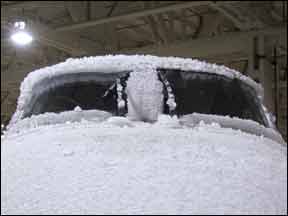
The only time ice on the airframe is a good thing is when it’s tied down and you really didn’t want to go flying today, anyway. Otherwise, it’s always something to be avoided. As we all should have been taught, ice adhering to the wings, tail and other components tends to add weight and drag. If it forms on an airfoil, the surface’s lift characteristics can be dramatically different, in addition to the weight and drag. Bad karma all around. But ice can affect other systems, too. The pitot/static system is problematic, as is the electrical system, as more current is demanded to keep things warm. Depending on the aircraft, ice also can extend the landing gear, fail an engine or cause critical electrical failures. The NASA Aviation Safety Reporting System (ASRS) recently updated one of its database report sets, the one covering icing incidents among commuter and general aviation aircraft. The incident descriptions have several lessons for us and highlight airframe icing’s complications, even if having the stuff on the airfoils turns out not to be a factor.

Gemini Sparkle

Key Takeaways:

  • Airframe icing poses diverse and often unexpected threats beyond aerodynamic effects, capable of causing engine flameouts (even from unseen ice), critical avionics failures via pitot-static issues, and unintended activation of automated systems.
  • Pilots must remain vigilant and strictly adhere to anti-icing procedures, as hazards can arise from minimal ice accumulation, ground conditions, or even from failures and limitations of certified anti-icing systems (e.g., faulty gauges, depleted fluid).
  • Ultimately, despite pilot skill, advanced equipment, or thorough flight planning, airframe icing can lead to unforeseen and unexpected consequences, demanding continuous awareness and caution.
See a mistake? Contact us.

The only time ice on the airframe is a good thing is when it’s tied down and you really didn’t want to go flying today, anyway. Otherwise, it’s always something to be avoided. As we all should have been taught, ice adhering to the wings, tail and other components tends to add weight and drag. If it forms on an airfoil, the surface’s lift characteristics can be dramatically different, in addition to the weight and drag. Bad karma all around.

288


Ready to Sell Your Aircraft?

List your airplane on AircraftForSale.com and reach qualified buyers.

List Your Aircraft
AircraftForSale Logo | FLYING Logo
Pilot in aircraft
Sign-up for newsletters & special offers!

Get the latest stories & special offers delivered directly to your inbox.

SUBSCRIBE