Register

Chart Wise

Chart Wise: Laredo, Texas

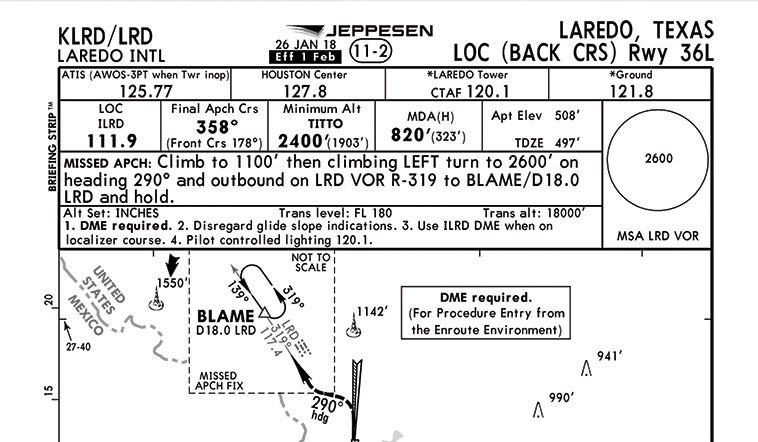
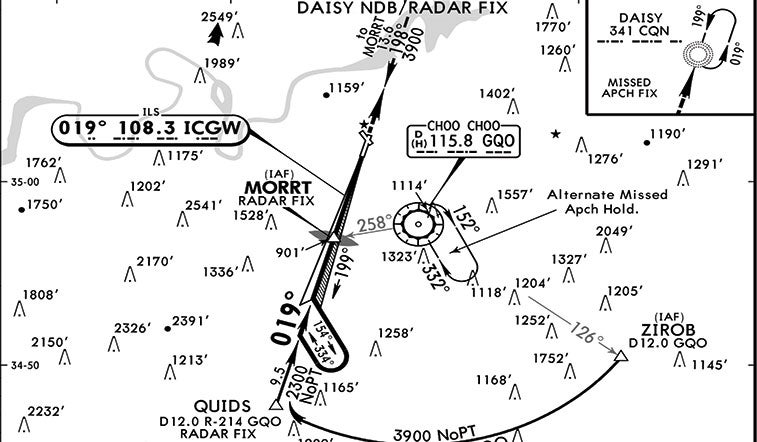
In an era of WAAS GPS navigation systems on board even the smallest aircraft, flying a localizer back-course approach could seem rather archaic. Indeed, for years many pilots viewed a LOC BC approach as more of an afterthought at airports, simply because the procedure was built off the back side of a full ILS system […]
Read More »

Chart Wise: Training and Technique

Sitting just a few miles north of the Tennessee-Georgia state line, Chattanooga’s Lovell Field (CHA) saw nearly 60,000 takeoffs and landings last year, with the Tracon workload hovering near 90,000 aircraft, nearly 50,000 of which operated into the airport on an IFR flight plan. Chattanooga’s airport elevation is less than 1,000 feet, but a glance […]

Read More »

Chart Wise: Training and Technique

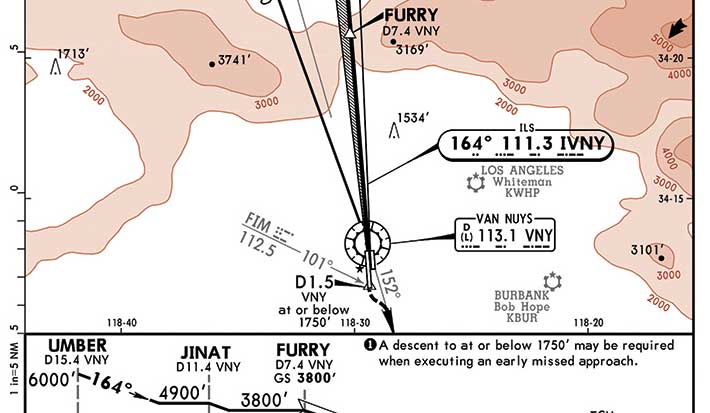
Sitting just north of the Los Angeles Class B airspace, Van Nuys Airport, which is Class D, is one of the busiest in the United States, with a single set of parallel runways: the 8,001-by-150-foot Runway 1/16 Right, and adjacent Runway 1/16 Left, at 4,013 by 75 feet. Last year, VNY logged just shy of […]

Read More »

Chart Wise: Training and Technique

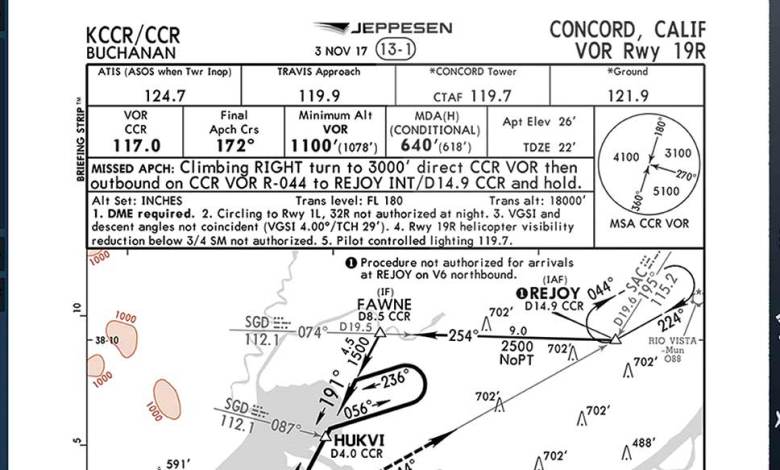
For pilots expecting never again to face a non-precision approach tied to a land-based navaid, we can confirm that rumors of the demise of the VOR have been greatly exaggerated. In 2016, the FAA began eliminating many of the GPS overlay approaches tied to older VOR procedures ahead of plans to also eliminate a significant […]

Read More »

Chart Wise: Training and Technique

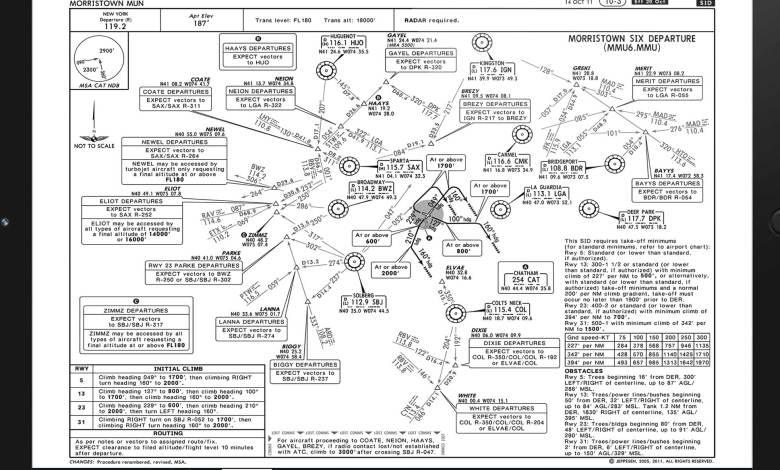
Although the Morristown Six could easily be confused with a ’60s rock-and-roll band, the name actually applies to a standard instrument departure procedure, also known as a SID. SIDs look and feel different from traditional approach procedures, often including far more information arranged in a complex layout some pilots might find confusing. Air traffic control […]

Read More »

Chart Wise: Training and Technique

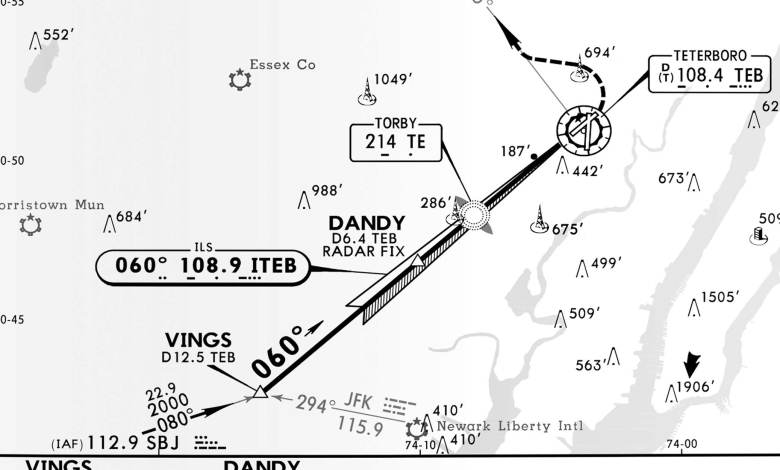
Teterboro is one of the busiest business aviation airports in the United States, handling 178,000 takeoffs and landings annually, many on IFR flight plans. Most runways offer a straight-in approach, except Runway 1. KTEB’s proximity to nearby Newark Liberty means the best approach available to Runway 1 is the ILS Runway 6, circle to land […]

Read More »

Chart Wise: Training and Technique

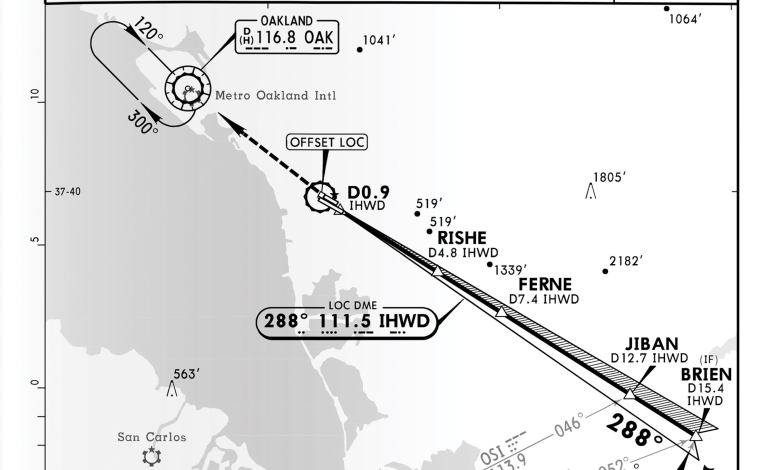
Localizer-only approaches have been around for decades, providing better-than-VOR lateral guidance while demanding no special cockpit avionics except the standard VOR-ILS indicator common to most airplanes. When it comes to accuracy, full-scale deflection of the course-deviation indicator from the center on a VOR signal represents 12 degrees off course, while a similar deflection on the […]

Read More »

Chart Wise: Training and Technique

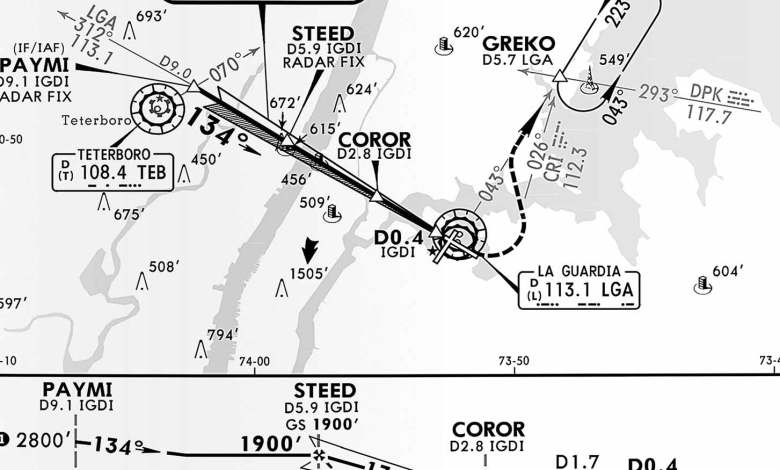
Most ILS approaches are constructed pretty much the same way. The environment in which a pilot might fly them can vary widely, however, and is important to consider. At an airport like New York’s La Guardia, which sees 375,000 annual takeoffs and landings, the ILS Runway 13 at the airport is used often. These traffic […]

Read More »

Chart Wise: Training and Technique

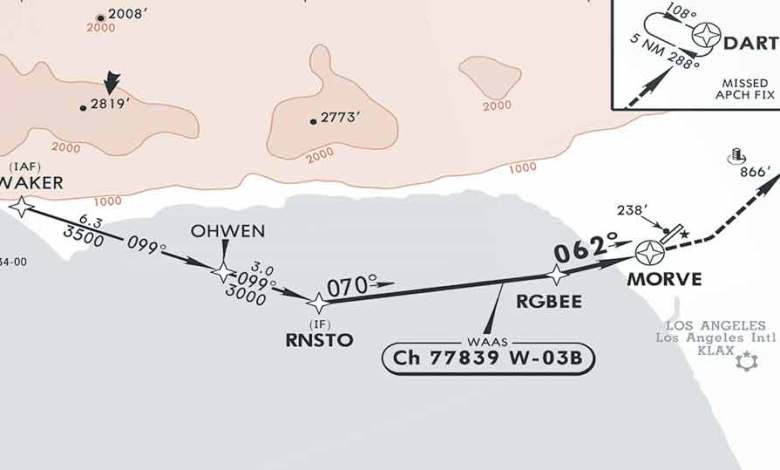
The RNAV GPS Z approach to Runway 3 at Santa Monica is so new (April 2017), many pilots might not yet even be aware of its existence. (Two additional approaches to SMO were commissioned at the same time.) This new approach comes with a handful of restrictions, many of which are significant enough to demand […]

Read More »

Chart Wise: Training and Technique

Visual approaches offer pilots an opportunity to remain within the IFR system but fly direct to the airport on their own. Once ATC issues a visual approach, however, responsibility for navigation and terrain clearance is transferred from the ground to the cockpit. Avionics manufacturers recently began adding visual-­approach capabilities to their navigation suites to create […]

Read More »
Pilot in aircraft
Sign-up for newsletters & special offers!

Get the latest stories & special offers delivered directly to your inbox.

SUBSCRIBE