











Flight under instrument flight rules (IFR) is largely procedural. Theres little room or tolerance for zany spontaneity so, if you love surprises, look elsewhere. But although we fly by the book, when the plot thickens, we do in fact have options (although theyre more like regulatory provisions) for choosing a different ending. Usually, the thickening agent affecting our best-laid plans is weather-related. Before we can exercise that freedom of choice, however, IFR pilots must fulfill certain obligations. Some of these rules are similar to those for VFR flight, such as how much fuel we should have on board. Some, however, go literally a step beyond, such as the requirement for specifying an alternate destination (as well as hopefully having some rough plan for getting there). The idea of even thinking of an 288
Flight Landing Alternates Made Easy
Flight under instrument flight rules (IFR) is largely procedural. Theres little room or tolerance for zany spontaneity so, if you love surprises, look elsewhere. But although we fly by the book, when the plot thickens, we do in fact have options (although theyre more like regulatory provisions) for choosing a different ending. Usually, the thickening agent affecting our best-laid plans is weather-related. Before we can exercise that freedom of choice, however, IFR pilots must fulfill certain obligations. Some of these rules are similar to those for VFR flight, such as how much fuel we should have on board. Some, however, go literally a step beyond, such as the requirement for specifying an alternate destination (as well as hopefully having some rough plan for getting there). The idea of even thinking of an alternate airport may be foreign for some newly anointed VFR pilots, but in the IFR world, its a well-known commodity.
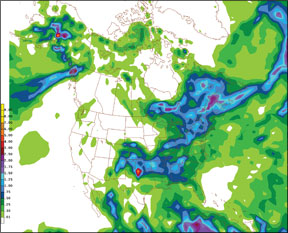

Key Takeaways:
- IFR flight is highly procedural and requires pilots to plan for alternate destinations as a crucial "Plan B," especially when primary destination weather forecasts are marginal.
- Specific FAA regulations dictate when an alternate is required (e.g., the "1-2-3 rule" for destination weather) and the planning minimums for that alternate (e.g., the "602 or 802 rule").
- Pilots must carry sufficient fuel to reach their destination, then their alternate (if required), plus an additional 45-minute reserve, with a strong recommendation to exceed minimums and choose larger, well-equipped alternate airports.
Key takeaways sponsored by Aviator Pro | Start Your Training ->
See a mistake? Contact us.

