The visual of large blue and green aluminum fragments floating in the ice-laden Potomac River as we descended on our approach into Washington National Airport is still vivid enough to remain locked in my memory. The evening prior, Air Florida Flight 90, a Boeing 737-200, had crashed into the 14th Street Bridge just after takeoff during a nasty snowstorm.
Fighting Mother Nature’s Wintertime Fury

Key Takeaways:
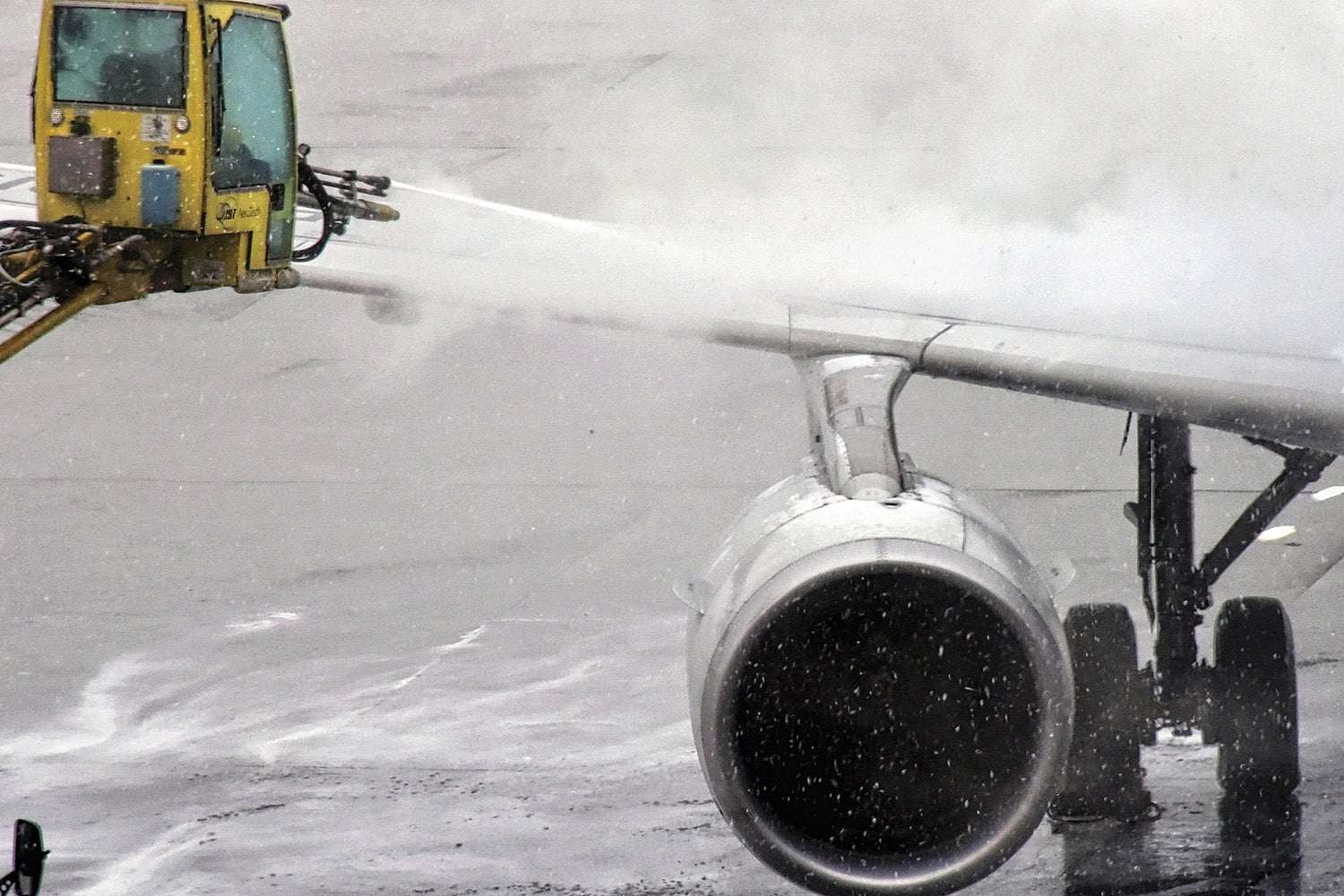
- Past aviation accidents, notably Air Florida Flight 90 and USAir Flight 405, underscored the severe dangers of airframe icing, leading to critical improvements in aircraft deicing and anti-icing protocols.
- These improvements included the development and mandatory use of Type IV anti-ice fluid, strategic placement of deicing stations at airports, and the establishment of clear operational procedures for evaluating ice contamination and holdover times.
- Modern technology, like iPad applications and Vaisala's sensor-based CheckTime system, continuously updates pilots on anti-ice fluid effectiveness based on real-time weather conditions, significantly improving safety and efficiency by minimizing guesswork and unnecessary deicing.
Key takeaways sponsored by Aviator Pro | Start Your Training ->
See a mistake? Contact us.