











An in-flight fire is most pilots greatest fear, surpassing even a mid-air collision. Although relatively rare, the unique combination of combustible materials and ignition sources available in the typical personal airplane means an in-flight fire must be dealt with quickly and decisively. Doing so usually means disabling systems to deprive the fire of its fuel or ignition sources, and employing a fire extinguisher 288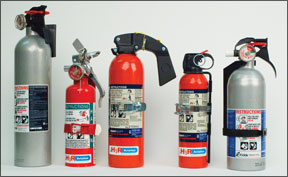
Fighting Fires
An in-flight fire is most pilots greatest fear, surpassing even a mid-air collision. Although relatively rare, the unique combination of combustible materials and ignition sources available in the typical personal airplane means an in-flight fire must be dealt with quickly and decisively. Doing so usually means disabling systems to deprive the fire of its fuel or ignition sources, and employing a fire extinguisher to smother it. A quick landing, even if off-airport, may be necessary. The problem? Our cockpits feature an abundance of materials capable of sustaining a fire. Carpeting, insulation, upholstery and paper charts are present in even the most basic airplane. This is true even if every scrap of fabric has passed an FAA-approved burn test. Throw in a fuel line or two-whether routed through the fuel selector, flowing via a capillary line to a fuel pressure gauge, or resulting from the designers basic need to move fuel from the tanks to an engine-and youve got another, much more combustible material.

Key Takeaways:
- In-flight fires are a critical aviation hazard, requiring immediate and decisive action to address combustible materials and fuel sources within the cockpit.
- Portable fire extinguishers are primarily available as Halon or dry chemical types, each with differing costs, availability, and operational impacts.
- Halon extinguishers are highly recommended for aircraft use due to their effectiveness without impairing visibility or causing corrosive damage, unlike dry chemical units which produce obscuring clouds and harmful residue.
Key takeaways sponsored by Aviator Pro | Start Your Training ->
See a mistake? Contact us.

