FAA Expands Pilot Training Evaluations

New guidance builds on lessons learned from the 737 Max reapproval.

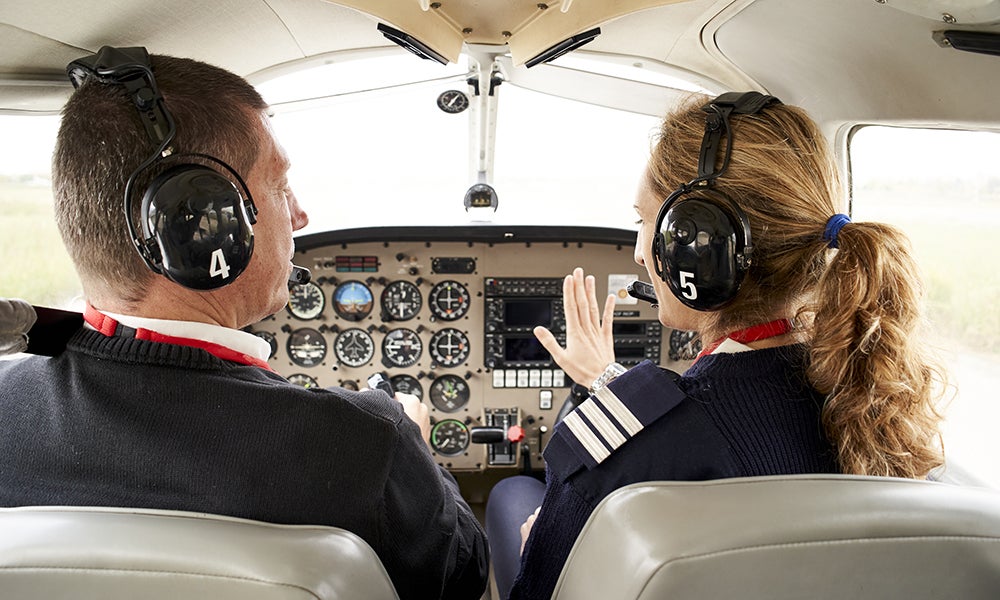
The change outlines how line pilots are to be used during Flight Standardization Board evaluations for transport-category airplanes. [Credit: Adobe Stock]
Gemini Sparkle

Key Takeaways:

  • The FAA has implemented new protocols to improve the evaluation of pilot training for new aircraft certification, fulfilling a mandate from the 2021 Aircraft Certification, Safety, and Accountability Act (ACSAA).
  • These updated procedures require the Flight Standardization Board (FSB) to include air carrier pilots of varying experience levels, from both domestic and foreign carriers, in type certification projects for transport airplanes.
  • The reform aims to enhance the determination of minimum training and pilot type ratings, influenced by lessons learned during the Boeing 737 MAX reapproval effort which highlighted the benefit of a more diverse pilot pool.
See a mistake? Contact us.

The Federal Aviation Administration (FAA) has established new protocols designed to improve how pilot training for new aircraft is evaluated during certification. 

The protocols were created to satisfy the mandate set forth by the Aircraft Certification, Safety, and Accountability Act of 2021 (ACSAA) and will be implemented by the Flight Standardization Board (FSB).

Following Section 128 of the Aircraft Certification, Safety, and Accountability Act of 2021, “the FSB’s procedures must now include the use of air carrier pilots of varying levels of experience for transport airplane type certification projects.”

The ACSAA was signed into law in December of 2020 as part of a larger appropriations bill. The bill gave the FAA one year to draw its new FSB policy.

According to the updated policy released on December 27, 2021, the air carrier line pilots will come from both domestic and foreign carriers and will work alongside test pilots during flight standardization board evaluations for air transport aircraft. These operational evaluations are what the FAA uses when certifying larger aircraft to determine minimum training and pilot type ratings.

High-Profile Test Case

The Aircraft Evaluation Division successfully used these procedures during the Boeing 737 MAX’s reapproval effort. Prior to the grounding of the 737 Max and the re-evaluation of the training requirements for the aircraft, the FAA’s goal during the FSB process was to develop the training protocols for air carriers it regulated. More often than not, the pilots used during this training came from U.S. carriers and did not necessarily represent a full range of experience or skill levels of the pilots who might someday fly the aircraft, as pilot training requirements are not globally universal.

During the examination of the 737 Max training, aviation officials determined that utilizing a broader, more diverse field of pilots would produce better results.

The policy does not specify how many pilots will be used, nor provide specific requirements for experience level they must present prior to reporting for duty, however, the policy states: “All identified FSB test subjects must be trained, current (in accordance with the appropriate regulatory requirements), and proficient in the base aircraft, if applicable.”

Meg Godlewski

Meg Godlewski has been an aviation journalist for more than 24 years and a CFI for more than 20 years. If she is not flying or teaching aviation, she is writing about it. Meg is a founding member of the Pilot Proficiency Center at EAA AirVenture and excels at the application of simulation technology to flatten the learning curve. Follow Meg on Twitter @2Lewski.


Ready to Sell Your Aircraft?

List your airplane on AircraftForSale.com and reach qualified buyers.

List Your Aircraft
AircraftForSale Logo | FLYING Logo
Pilot in aircraft
Sign-up for newsletters & special offers!

Get the latest stories & special offers delivered directly to your inbox.

SUBSCRIBE