














FAA Addresses Drone Threats at ‘Critical Infrastructure’ Sites

Agency’s proposed rule would allow certain facility operators to apply for UAV restrictions.

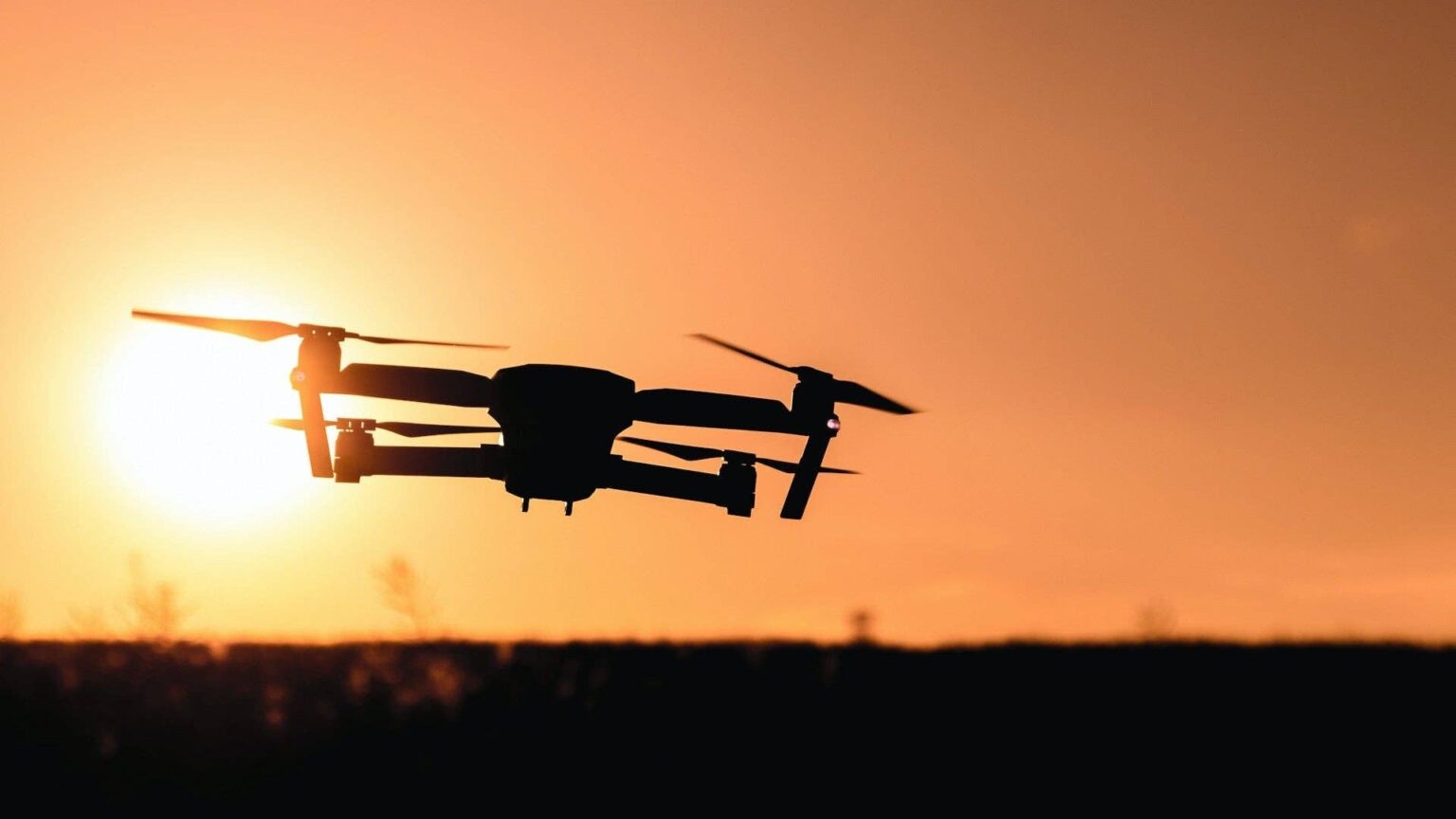
silhouette of drone or UAS in flight
Proposed rule would allow government facilities, corporate headquarters, and others to apply for restrictions on drone activity near their sites. [Credit: Pexels]
Gemini Sparkle

Key Takeaways:

  • The FAA has proposed a new rule, Unmanned Aircraft Flight Restriction (UAFR), allowing operators of "critical infrastructure" sites (e.g., government facilities, hospitals, prisons, amusement parks) to apply for long-term drone operation restrictions.
  • UAFRs would last up to five years and come in two types: "standard" (permitting compliant drones) and "special" (barring all without express approval), aiming to enhance safety and security for these locations.
  • The proposal addresses the rise in illegal drone flights near sensitive sites and seeks to balance the expansion of commercial drone operations by providing facility protection.
  • While welcomed by the commercial drone industry, groups like the National Press Photographers Association have raised concerns about potential infringements on First Amendment rights, particularly for aerial newsgathering.
See a mistake? Contact us.

The FAA has proposed a new rule that would allow operators of “critical infrastructure” sites—including government facilities, corporate headquarters, hospitals, prisons, and even amusement parks—to apply for long-term restrictions on drone operations near their facilities.

“Restoring airspace sovereignty in America means protecting sensitive locations from aerial threats while providing clear guidance to drone pilots so they can operate with confidence,” U.S. Transportation Secretary Sean Duffy said Wednesday. “This rule does just that.”


Since 2015, the FAA has registered more than 1.6 million recreational drones, such as those flown by hobbyists to snap aerial photos. More than 480,000 remote pilots have been approved to fly drones for commercial purposes, from food delivery to newsgathering.

In recent years, drones have illegally flown over stadiums, concerts, prisons, and military installations. With all of that activity, the regulator is taking steps to protect facilities that could not otherwise be covered by a temporary flight restriction (TFR).

The FAA proposes a new type of limitation called a UAFR, or unmanned aircraft flight restriction, that would last up to five years. The concept originates from Section 2209 of the FAA Extension, Safety, and Security Act of 2016.

A White House executive order in June directed the FAA to “promptly” submit a notice of proposed rulemaking (NPRM) that fulfills Section 2209. The agency finally did so Wednesday, giving the public until July 5 to comment on the proposal.

“Everyone who flies drones legally, or who is experiencing rogue unauthorized drone overflight, should participate in this comment period to provide concrete advice to regulators on how to further refine the proposal,” Liz Forro, policy director of the Commercial Drone Alliance (CDA), said Tuesday.

The CDA, which advocates for the growth of the commercial drone industry, has long pushed for Section 2209’s adoption. Lisa Ellman, the group’s CEO, told FLYING last year that it views the “long-anticipated” rule as a counterpart to the FAA’s proposed Part 108.

Part 108 would standardize beyond visual line of sight (BVLOS) operations, greatly expanding where drones can fly. The new proposal would hedge against disruptions to other industries by enhancing facility protections as activity increases.

Ellman said the rules are “two sides of the same coin.” If other industries feel they are protected from unauthorized drones, they may be more supportive of the expansion of legal drone services.

“We welcome today’s announcement and look forward to engaging with our members and the broader industry to ensure this rule truly enables the good while preventing the bad,” she said Tuesday.

At the other end of the spectrum, some observers have concerns about the proposal.

Mickey Osterreicher, general counsel for the National Press Photographers Association (NPPA), told FLYING it is still reviewing the NPRM but is exploring how it might infringe on first amendment rights that protect aerial newsgathering.

Osterreicher said the group is “concerned about the broader trend toward expanding drone restrictions in ways that can substantially impair lawful aerial newsgathering…whether through TFRs, NOTAMs, or now potentially permanent facility-based restrictions.”

“Drones have become an essential reporting tool, often allowing journalists to safely and economically document protests, disasters, environmental events, and government activity in ways that would otherwise be impossible or impractical,” Osterreicher said. “Restrictions on those tools must be narrowly tailored, transparent, and carefully balanced against the First Amendment interests implicated by limiting newsgathering.”

The NPPA, American Civil Liberties Union (ACLU), and other advocacy groups have also criticized a controversial Department of Homeland Security TFR that covered “mobile assets,” effectively creating a roaming, invisible airspace restriction. The FAA has since modified the TFR’s language in response to a legal challenge, but drone pilots still consider it ambiguous.

How It Would Work

Per a Transportation Department (DOT) fact sheet, eligible sites would submit applications for drone restrictions through a new FAA web portal. To be approved, applicants “would have to show that the restriction is necessary for aviation safety, protecting people and property on the ground, national security, or homeland security.”

The FAA proposes two kinds of UAFRs.

“Standard” restrictions would bar many drones but permit those that meet “rigorous safety and security standards,” including those flying under Parts 91, 107, 135, 137, and the proposed Part 108. That covers drone delivery, inspection, and newsgathering activities, among others. These drones would be required to pass through the restricted zone in the “shortest amount of time practicable” and broadcast remote identification data—a digital license plate that tells third parties about the aircraft and its operator.

A “special” restriction, by contrast, would bar all drone activities unless they have express, prior approval from the FAA and site operator.

UAFRs would last five years, after which they could be renewed. The restrictions would be communicated via the FAA’s UAS Data Delivery System. Drone pilots who fail to heed them could face fines, criminal charges, or the suspension or revocation of their certificate.

The regulator proposed 16 different facility types that would be eligible for these protections.

Though it would use existing frameworks to protect airports, the FAA believes multimodal transportation hubs, highway bridges and tunnels, and maritime facilities would benefit from UAFRs.

Commercial facility operators—from entertainment and media companies to sports leagues—could apply so long as they saw attendance of at least 2.5 million in the past year, are open to the public for at least 120 days a year, and are primarily outdoors. The protections are not intended for sites that could instead use a TFR, such as stadiums that have standing restrictions during sporting events. Rather, the FAA gave examples of amusement parks, theme parks, and zoos.

The regulator proposes eligibility for correctional facilities due to the use of drones to deliver cell phones, drugs, weapons, and other contraband over prison walls. The NPRM cites a statistic from the South Carolina Department of Corrections, which reported 193 drone incidents in 2019 and 262 in 2022.

Other eligible sites include:

  • “High-risk, high-security” government facilities
  • Defense contractors or subcontractors that are developing aircraft, spacecraft, UAS, or missile systems for the U.S. military
  • Financial institutions, including corporate headquarters, trading floors, and third-party facilities that process transactions
  • Level I trauma centers with helipads
  • Nuclear power plants and electricity, natural gas, and oil refining facilities
  • Cell towers, broadcast antennas, satellite uplinks, and other communication systems
  • Data centers
  • Dams and locks
  • Facilities that manufacture primary metals, machinery, transportation equipment, or electrical equipment, appliances, and components, as well as those that produce, use, or transport hazardous chemicals

Also listed as categories are water and food and agriculture, but the FAA has not yet devised criteria for sites such as farms or wastewater treatment plants.

The restricted areas would be clearly defined by horizontal and vertical boundaries, like most TFRs. There would be no physical or electronic barriers, meaning site operators would not be able to prevent drone incursions. But if they see an unauthorized drone, they could contact local law enforcement, which can use remote identification data to track down its operator.

“It gives law enforcement a clear, effective tool to deter unauthorized drone activity around sensitive sites that could pose serious risks to public safety and national security,” FAA Administrator Bryan Bedford said Wednesday.

Though not all observers agree, they will have approximately two months to express their concerns via public comment.

Jack Daleo

Jack is a staff writer covering advanced air mobility, including everything from drones to unmanned aircraft systems to space travel—and a whole lot more. He spent close to two years reporting on drone delivery for FreightWaves, covering the biggest news and developments in the space and connecting with industry executives and experts. Jack is also a basketball aficionado, a frequent traveler and a lover of all things logistics.

Ready to Sell Your Aircraft?

List your airplane on AircraftForSale.com and reach qualified buyers.

List Your Aircraft
AircraftForSale Logo | FLYING Logo
Pilot in aircraft
Sign-up for newsletters & special offers!

Get the latest stories & special offers delivered directly to your inbox.

SUBSCRIBE
