













Register

ELT Care And Feeding

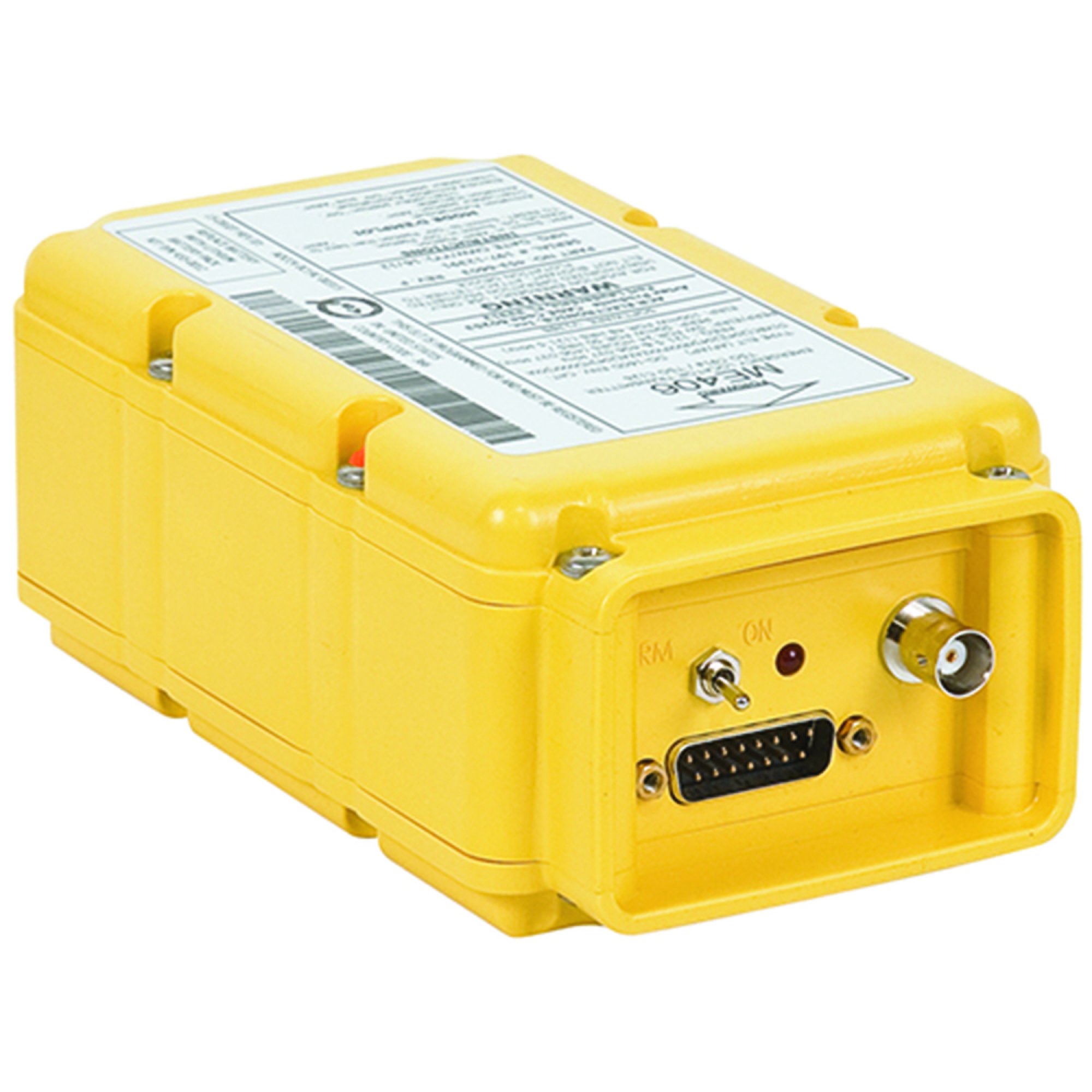
The SAIB is focused on ELTs from ACR Electronics, Inc. (ACR, formerly Artex Aircraft Supplies, Inc., and Chelton Avionics, Inc.), models G406-4, C406-1, C406-1HM, C406-2, C406-2HM, C406-N and C406-NHM. According to the agency, these ELTs may not transmit alert and location signals in the case of an accident involving an aircraft to which they are mounted due to an inoperative or a deteriorated G-switch. The SAIB states that an ELT mounted in a high-vibration environment, for example in the tail of a helicopter, could have its acceleration sensor deteriorate after having been subjected to high levels of shock and vibration for five years or more. The new SAIB recommends best practices for the inspection, modification and replacement of these ACR ELTs located in high-vibration environments. In our view, these recommendations can be applied to similar ELTs from other vendors.


Gemini Sparkle

Key Takeaways:

  • An FAA Special Airworthiness Information Bulletin (SAIB CE-19-12) warns operators of specific ACR Electronics G406 and C406 ELTs about potential G-switch deterioration, especially in high-vibration environments, recommending inspection or replacement for units in service over five years.
  • An industry working group released recommendations to prevent jet fuel contamination by Diesel Exhaust Fluid (DEF), which has caused in-flight engine shutdowns due to being mistaken for Fuel System Icing Inhibitor (FSII), placing the onus on FBOs and fuelers.
  • An FAA SAIB (CE-19-11) addresses a safety concern with EAM Worldwide Infant Life Vests where a manufacturing protective plug in the survivor locator light's battery assembly may prevent activation, requiring a one-time removal according to a service bulletin.
See a mistake? Contact us.

The emergency locator transmitter (ELT) is one piece of equipment pilots often forget about. Checking the battery at the annual inspection is usually the only attention these devices receive, even if they’re used in harsh environments. That’s probably not the best preventive maintenance practice, as a recent Special Airworthiness Information Bulletin (SAIB CE-19-12) from the FAA alerts us.

The SAIB is focused on ELTs from ACR Electronics, Inc. (ACR, formerly Artex Aircraft Supplies, Inc., and Chelton Avionics, Inc.), models G406-4, C406-1, C406-1HM, C406-2, C406-2HM, C406-N and C406-NHM. According to the agency, these ELTs may not transmit alert and location signals in the case of an accident involving an aircraft to which they are mounted “due to an inoperative or a deteriorated G-switch.” The SAIB states that an ELT mounted in a high-vibration environment, “for example in the tail of a helicopter,” could have its acceleration sensor deteriorate after having been subjected to high levels of shock and vibration for five years or more. The new SAIB recommends best practices for the inspection, modification and replacement of these ACR ELTs located in high-vibration environments. In our view, these recommendations can be applied to similar ELTs from other vendors.

Ready to Sell Your Aircraft?

List your airplane on AircraftForSale.com and reach qualified buyers.

List Your Aircraft
AircraftForSale Logo | FLYING Logo
Pilot in aircraft
Sign-up for newsletters & special offers!

Get the latest stories & special offers delivered directly to your inbox.

SUBSCRIBE