











November 12345, cleared to Avsaf, hold east as published, expect further clearance at 1845.” Thats a typical clearance into a holding pattern for an IFR flight when ATC needs to “park” it somewhere until traffic or other conditions allow it to continue to its destination. A holding clearance usually isnt something a pilot or crew wants to hear, and they are much rarer in these times of flow control and ground delays, which are designed to minimize holding in the first place. But ATC still hands them out when needed, and FAR 61.57, Recent Flight Experience, requires regular practice in “holding procedures and tasks” to maintain currency. For the most part, holding can be relatively simple: Fly to the fix and turn right. But 288
Dissecting The Hold
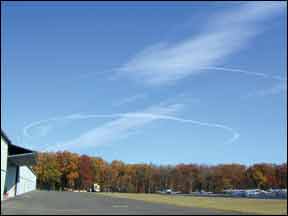
November 12345, cleared to Avsaf, hold east as published, expect further clearance at 1845." Thats a typical clearance into a holding pattern for an IFR flight when ATC needs to "park" it somewhere until traffic or other conditions allow it to continue to its destination. A holding clearance usually isnt something a pilot or crew wants to hear, and they are much rarer in these times of flow control and ground delays, which are designed to minimize holding in the first place. But ATC still hands them out when needed, and FAR 61.57, Recent Flight Experience, requires regular practice in "holding procedures and tasks" to maintain currency. For the most part, holding can be relatively simple: Fly to the fix and turn right. But it also can get a bit complicated if the hold isnt published. And there are ways to avoid it entirely if youre willing to play ball with ATC and eliminate the reason for the hold. Lets explore.

Key Takeaways:
- Holding patterns are predetermined maneuvers used by ATC to temporarily "park" IFR flights awaiting further clearance, required for IFR currency despite being less common due to modern flow control.
- Holding clearances specify the fix, direction, and "expect further clearance" (EFC) time; for non-published holds, ATC also provides the inbound course and outbound leg length.
- Successfully executing a holding pattern requires precise timing of legs, standard-rate turns, and active wind correction to maintain the pattern's shape and duration.
- Pilots must continuously plan ahead during a hold, managing fuel, anticipating future clearances, and considering options like diverting or proactive communication with ATC to potentially avoid or minimize delays.
Key takeaways sponsored by Aviator Pro | Start Your Training ->
See a mistake? Contact us.

