











A 2016 Flight Safety Foundation (FSF) study of 16 years of runway excursions determined that “83 percent could have been avoided with a decision to go around. In other words, 54 percent of all accidents could potentially be prevented by going around.” Failure to conduct a go-around is the number one risk factor in approach and landing accidents and a primary cause of runway excursions, the FSF added. The foundation also believes that while unstable approaches are a primary cause of landing excursions, “the global aviation industry’s rate of compliance with go-around policies is extremely poor with just 3 percent of unstable approaches resulting in a go-around.” Executing a go-around carries its own set of risks, such as exceeding flap and gear extended speeds and a failure to achieve a positive climb during the maneuver, because go-arounds are seldom practiced in the locations where they often occur.
Failure to Go Around Leads to Runway Excursion

Key Takeaways:
- A Flight Safety Foundation study indicates that 83% of runway excursions could be avoided by a go-around, yet pilot compliance with go-around policies during unstable approaches is extremely low (3%), pointing to a "psychology of noncompliance" as a key risk factor.
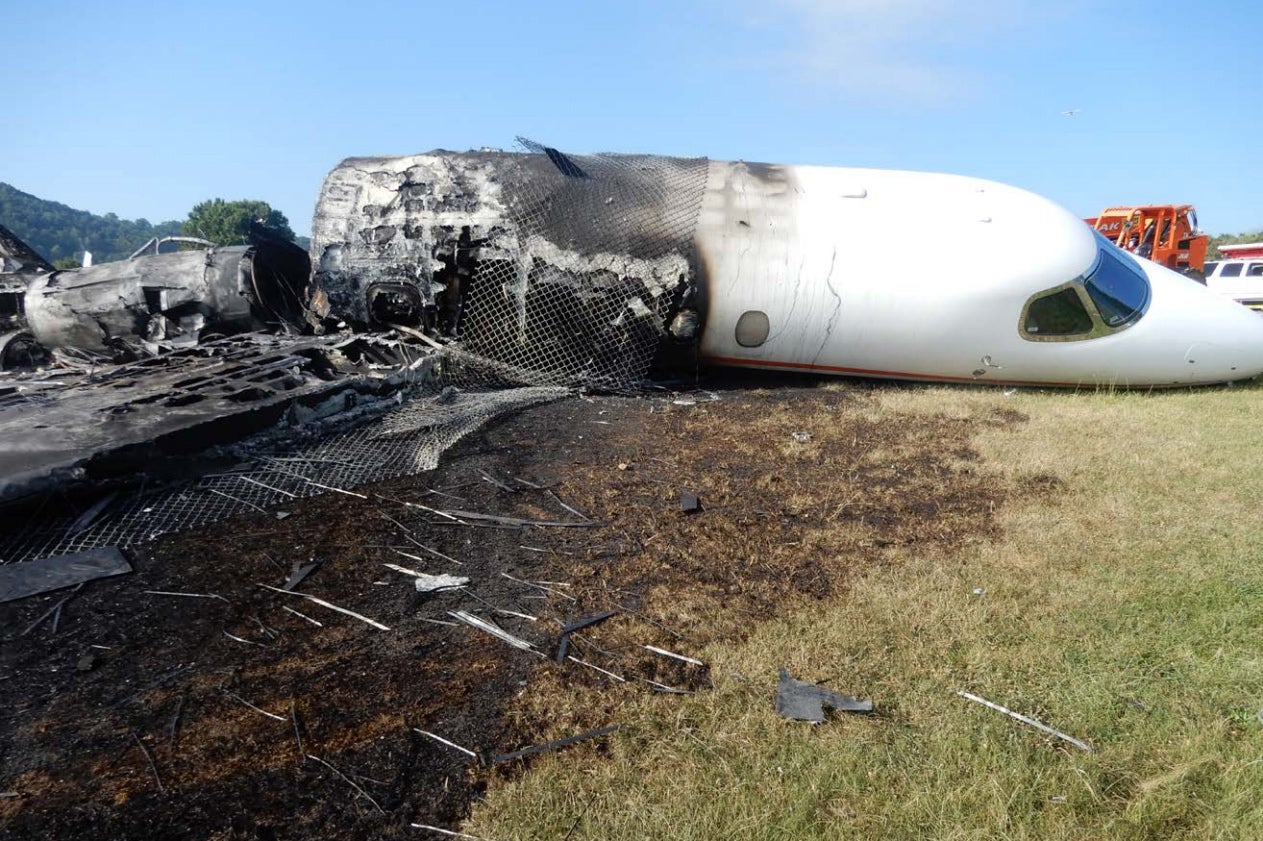
- The 2019 Cessna Citation Latitude crash exemplified these dangers, resulting from an unstabilized approach, multiple bounces, a go-around initiated too late (beyond the commit-to-stop point), and pilot mismanagement of aircraft systems (e.g., thrust reversers preventing engine power increase).
- Contributing factors to this accident included inadequate preflight planning for a short flight, the supervisory non-flying pilot's insufficient intervention, and the flying pilot's struggle with decision-making and aircraft systems during a rapidly deteriorating situation, ultimately leading to a runway excursion and fire.
Key takeaways sponsored by Aviator Pro | Start Your Training ->
See a mistake? Contact us.

