Systems Check

Those Other Instruments

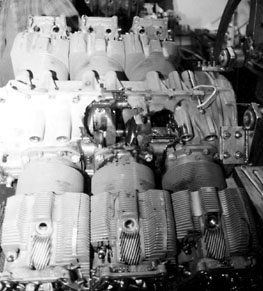
While you are scanning your flight instruments closely, over in some other corner of the panel are some other instruments that are worth more than a glance, IFR or VFR: the engine performance instruments.

If you dont include them in your scan, you cant really tell if your aircraft engine is in good health. Theyll help you decide when to draw the line and say that the engine is not safe enough to continue on the flight. It may be running now, but your instruments may help you determine how long it will continue to run as advertised.

There are symptoms of failing engine health that an aware pilot should recognize. In some cases they may pinpoint a problem before it becomes trouble. I…
Read More »

How Much is Enough?

A student pilot was preflighting the cockpit of a Cessna 152, and as part of his routine, was checking the travel and friction of the throttle, mixture and carb heat knobs. Most pilots dont do this, but it was the detailed, deliberate and particular nature of this individual to check just about everything possible on the plane.

He was the kind of guy who would occasionally find himself the subject of some good-natured jokes from the other side of the FBO windows that faced the ramp, many of which were probably the result of a common, unspoken jealousy for a lack of a similar thoroughness. You can well imagine that the jokes came to a rapid stop the day he cycled the mixture from full lea…

Read More »

When Silence Aint Golden

Flight instructors spend hours discussing, drilling and training for handling in-flight emergencies. Things like engine failures, instrument malfunctions or electrical meltdown occupy an important part of the syllabus.

But what about the nagging little (and not so little) problems that crop up on the flight deck? Problems in the avionics often pose no dire threat to the safe conclusion of the flight, but represent a hazard based on increased workload and distraction. Then again, sometimes the little problems are just an appetizer for an entree of trouble that may be just around the corner.

There are many common problems with avionics that any pilot can troubleshoot and fix. Others may…

Read More »

Post Wrench Test

Its somewhat astonishing to see how many accidents, or at least scary moments, occur on the first flight after maintenance. Perhaps the most striking one is the notorious case of a Navajo, in which the aircraft came out of the shop, took off, rolled over,and crashed, killing the pilot. The investigators discovered that the ailerons were connected backwards – yoke left rolled the plane right.

Its pretty easy to sit back in the cold, hard light of day and think, What a dummy! about that pilot. If the pilot really did follow the preflight checklist and note controls free and proper, theres a lesson for another day about seeing what you expect to see rather than what you really see. F…

Read More »

Shake, Rattle & Roll

To most pilots, the airplanes propeller is something routinely taken for granted. Oh sure, preflight may include running a hand over the blades in some pretended attempt to look for something. But many people dont have much of a clue as to what theyre looking for – maybe nicks or leading edge surface roughness from sand or water erosion.

Controllable-pitch props generally have some kind of flight time or calendar TBO, such as requiring an overhaul after 1,200 hours or five years, whichever comes first. Check the logbooks of most older airplanes, and you may find this to be the most commonly ignored manufacturer recommendation for Part 91 airplanes.

Some misguided owners, in an eff…

Read More »

Belly Flop

Accident stats notwithstanding, gear-related mishaps account for more than half the unhappy endings to flights in retracts.

Read More »

Looks Can Deceive

Its every motorists nightmare, breaking down in an Audi in a rural town where the only mechanic knows only tractors, Fords and Chevys.

Surely, pilots reason, the same thing cant happen to airplanes. The technology is usually more familiar and the mechanics are more worldly. Besides, the FAA makes sure mechanics know how to fix airplanes, right?

If you believe that, youd better stick to a factory-standard 1978 Cessna 172.

The fact is that modifications done to airplanes through supplemental type certificates and even Form 337s can give mechanics headaches. Although the vast majority are straightforward installations that are intuitive to remove, service and replace, there are en…

Read More »

Why Engines Fail

[IMGCAP(1)]Except for those who fly gliders, most pilots live in fear of an engine failure. Some are so wary they fly multi-engine airplanes for no reason other than to give them more options should an engine decide to imitate a brick. Pilots of singles, of course, have no choices. When the engine crumps, its time to hit the softest thing you can find as softly as you can manage.

But the fear of imminent engine failure is in some ways misguided. Annual inspections, preflights and runups are all designed to catch little problems before they become big ones. In addition, the relatively simple engine design helps make them more reliable.

On the other hand, there are forces at work agai…

Read More »

A Handle on Repairs

[IMGCAP(1)]Advice: $50. Good Advice: $100. Questions Answered: $50. Dumb Questions Answered: $100. Service: $50/hr. Service if you participate: $100/hr.

For most owners, airplane maintenance is a pit of quicksand. If you plunge in, its easy to get in over your head. But if you stay out, mechanical problems can accumulate until dispatch reliability and safety are severely compromised.

The question each owner has to ask is how involved in maintenance they want to be. The question has many answers, and the road to answering it depends upon first determining your objectives. Is the goal to save money? Improve reliability? Log hours toward the A&P requirement?

Next, you have to ask yo…

Read More »
Pilot in aircraft
Sign-up for newsletters & special offers!

Get the latest stories & special offers delivered directly to your inbox.

SUBSCRIBE