











Light em Up
The airport light show might play fine when youre in control, but understanding how they work can save you from sudden darkness

The airport light show might play fine when youre in control, but understanding how they work can save you from sudden darkness
It should come as no surprise that more than half of all general aviation aircraft are more than 25 years old, and more than 25% are past their 35th birthdays. Like everything else thats getting older, an aging aircraft can experience a host of problems, including decreases in both performance and structural integrity.
As aircraft age, undetected or uncorrected wear, fatigue, corrosion and creep can decrease an aircrafts ability to sustain the fail-safe loads designed into it. The most graphic example of fatigue and corrosion causing a serious problem in flight comes is the Aloha Air Lines B-737 accident in 1988, and that should be enough to scare any pilot. Clearly prevention, timely d…
While it may not have the sex appeal of politics or religion, oil analysis will spark some lively debate if you put together a group of pilots or mechanics. Some people shrug it off as an expensive exercise in futility that tells little about the inner secrets of engine wear. Others swear to their engines health if they get good sample results and get ready to shoot it if they dont.
In fact, the true value of analysis is somewhere in the middle. It cant tell you how long your engine is going to live and its far from a sure-fire way to predict catastrophic failure. On the other hand, experienced eyes can spot wear trends that can catch minor problems before they turn into big ones. Whe…
Like it or not, some pilots hibernate during the winter. Their return to the air in spring brings numerous special hazards – to themselves and to others. Woe to the pilot who wakes the airplane from its long winters nap on the first warming day of spring with nary a thought to what may have happened to both his skills and the planes airworthiness during the cold winter months.
Piloting skills, of course, erode after a few months layoff. To a degree, deterioration of flying skills is related to experience. If youve accumulated tens of thousands of hours and have flown the same aircraft for years, then the adverse impact of a short vacation from flying will be relatively slight. On the…
In 1991, my need for an airplane larger than my Cessna 150 led to a search that ended with a 1959 Cessna 172 my A&P father located near his home in Texas.
The plane obviously needed some cosmetic work, but it fit my meager budget and I was promised it would be sold with a fresh annual inspection. The annual inspection sealed the deal. I figured it would at least be safe to fly in spite of its dowdy appearance, which Id deal with as resources allowed.
My father took care of completing the sale and flew the 172 the 15 or so minutes to his home airport. On landing, he got the first of a whole string of surprises the airplane would reveal in the coming months.
At touchdown on the shor…
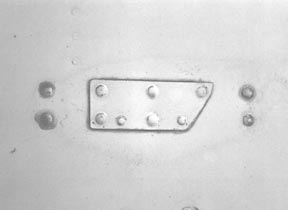
If youre doing maintenance yourself, follow accepted maintenance procedures – and ask a mechanic for help if necessary
Theres an old saying in aviation that youll hear throughout your flying career: Trust your instruments.
Anyone who has had instrument training has been beaten over the head by the instructor. The strategy is necessary in order to overcome your proprioceptive sensors – the so-called seat of the pants sensations – that you learned to rely on when flying VFR.
Yet, what may not have been emphasized is that your instruments can and occasionally will lie to you. Therefore a basic function of cockpit resource management requires a continuous cross-check of the engine, flight and navigation instruments. Its akin to the old saw, just because youre paranoid, dont think someones not ou…
When I was a new flyer, an old instructor named Tony Stubby Azzetti taught me how to hand-prop an airplane. Despite the lack of three fingers on one hand, he made it look easy, as though hed been swinging props to start airplane engines for decades. Always remember, he said as I took the propeller blade for the first time, that propeller cant see you and wont feel a thing if your melon gets in the way. Old Stubby sure knew how to teach.
Safety-conscious pilots will shake their heads in disbelief that anyone would intentionally grab a propeller and swing it. Good. Keep that attitude and youll live to be an old pilot. But some day, when your guard is down, you may be tempted to tw…
The sputtering sound of your airplanes power plant, followed by a sudden silence, and the realization that you are now the pilot of a heavy glider, can certainly get your immediate attention.
Cold weather brings with it the potential for ice – and not just ice of the airframe variety. Induction system icing brings down more than a few unsuspecting pilots every year. Even those who valiantly give wide berth to known icing conditions can be struck by the power loss that comes from ice in the engine compartment.
Induction System Icing
Induction system icing takes several forms – including impact ice, throttle ice and fuel vaporization ice. Any or all of these can play troubl…
One of the most fatal types of accidents in general aviation is structural failure, in which the chance of death is nearly 100 percent.
Luckily, wings dont come off aircraft very often. But when it happens, it will be catastrophic and probably unsurvivable. Im shocked while listening to some flight instructors who quietly advertise that they would teach aerobatics regardless of the aircrafts certification, citing that the aircraft had a safety margin so it wasnt a big deal.
It is a big deal. In fact, theres a rental/training aircraft at a nearby flight school that is so bent that it wont fly straight and level, and students regularly complain that its stall is so unpredictabl…

Get the latest stories & special offers delivered directly to your inbox.
SUBSCRIBE