Proficiency

Flight Following, Part II

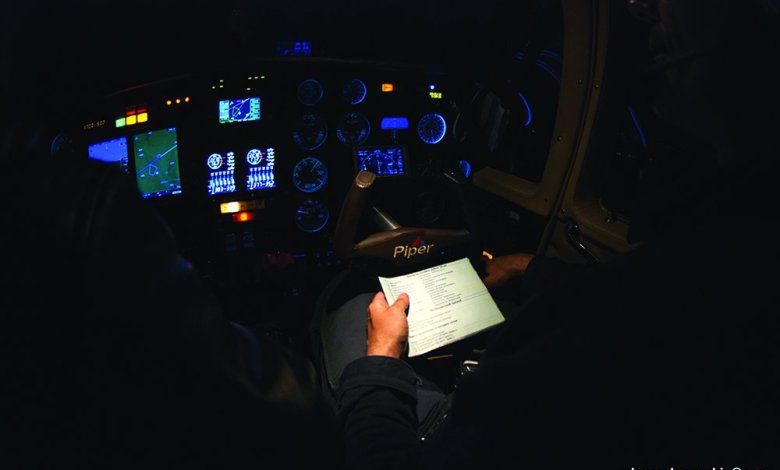
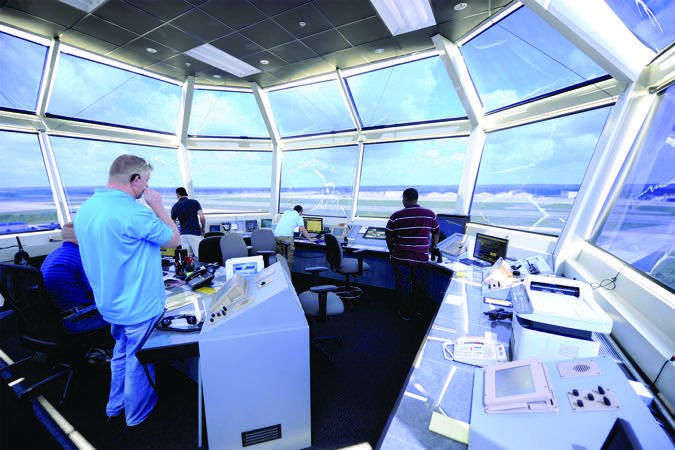
I was motoring home from New Orleans a couple of months ago, sliding eastbound along the shoreline, IFR at 9000 feet. After a controller gave me a frequency change for the next controller, I switched over and listened, which I always do when coming onto a new frequency. The first transmission I heard was a pilot saying something like …and we have four hours of fuel aboard. Hmmm. In my experience, its rare for anyone to talk about their fuel availability on an ATC frequency unless theres an emergency in progress and ATC wants to know souls and endurance.

Read More »

More Changes Coming

For almost as long as Ive been flying, the general aviation industry has been in upheaval. By the mid-1980s, product liability concerns and tax law changes helped remove what was propping up things, and the bottom fell out. Among other outcomes, Cessna stopped making piston-powered airplanes altogether while other manufacturers discontinued numerous models, preferring to concentrate on one or two.

Read More »

When ATC Screws Up

On December 16, 2016, shortly after takeoff at 0119 local time, an EVA Air Boeing 777-300ER apparently came well within 1000 vertical feet of mountainous terrain after departing the Los Angeles (Calif.) International Airport (KLAX). While a formal investigation reportedly is underway at the FAA and the carrier, unofficial transcripts and aircraft tracking data make it clear this event was a very near thing. The publicly available information depicts confusion and uncertainty in the 777s cockpit. It also suggests non-standard phraseology on ATCs part may have contributed to the event. The sidebar on the opposite page explores it a bit more, based on unoffocial sources.

Read More »

Proficiency On A Budget

Deep down, most pilots would admit they need more practice and instruction than they get. I know there have been lapses in my skills over the years, and as equipment and operating rules change, I have had to spend more time on learning how to use and benefit from them. Like many pilots, I like to train and would do it more often, except for the time and the expense. In reality, most of us have two training budgets, each with limitations: a financial budget and a time budget. Admitting its often difficult to increase allotments to either without significantly and adversely affecting other parts of our lives, how can we get the most benefit from the time and money we do have for flying? How can we realistically assure proficiency on a budget?

Read More »

Im Not That Good

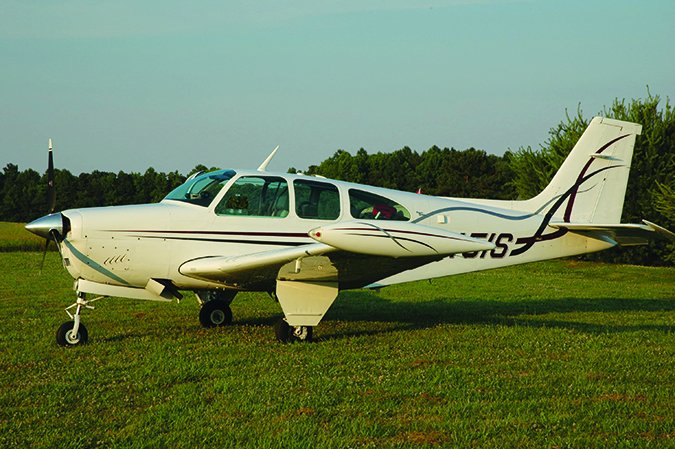
So I got into one of those internet discussions with other pilots about airplane performance. The focus was on a 2100-foot-long grass strip near sea level and how well a Bonanza would handle it. We didnt disagree on the typical Bonanzas ability to get in or out, but I think some people might be a bit more optimistic about such things than I am.

Read More »

Stop Scaring Your Passengers

One of the more common complaints heard when pilots gather is that someones spouse and kids wont fly with them or dont like flying in little airplanes. The person issuing the lament insists he (its almost invariably he) cant figure out why. Often the reason is he has scared the bejabbers out of his family members at least once and has displayed absolute cluelessness when it comes to making the flight an enjoyable experience.

Read More »

Less Power for More Aircraft Range

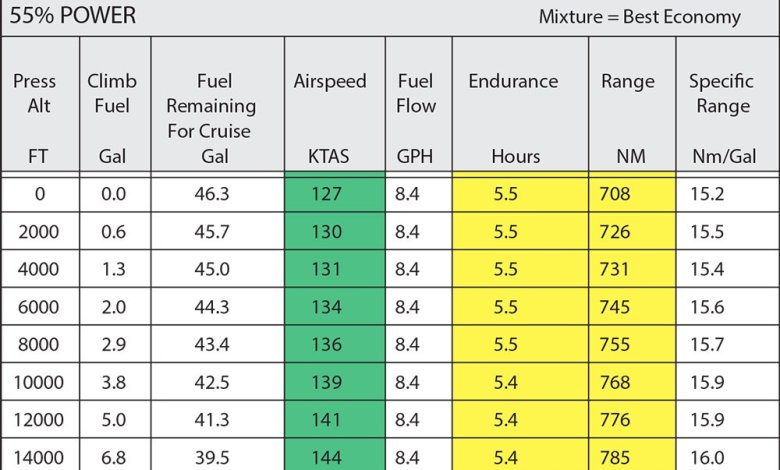
What if getting to B by burning as little fuel as possible is our objective? Or we want to stay aloft as long as possible? There are speeds to fly to achieve those goals, but well have to slow down, usually a lot. And those exact speeds, for best range and for best endurance, usually arent published for personal airplanes. A workaround is to simply use the lowest book power setting. If no limitations prevent it, best range or endurance usually is found at even lower power.

Read More »

Airmanship: Legal VS. Safe

I hope it wont come as a shock to learn magazine editors dont always practice what they preach. Kind of like fat-cat politicians urging austerity for the proletariat, we arent always as prolific in our flying as we may seem, or as we encourage others. In fact, over the last couple of years, competing and conflicting priorities conspired to keep me and my airplane on the ground much more than was good for either of us.

Read More »

5 Reasons To Fire Your CFI-I

When its time for the instrument rating-the thinking rating-the instructors obligation ratchets up a few notches. An instrument-rated pilot is potentially going to be flying in high-risk environments-night IMC, ice, thunderstorms, approaches to a mere 200 feet above the unforgiving ground-with high workloads and in complex airspace. The instrument instructor must take a VFR pilot-who may have a casual attitude about checklists, systems, weather and risk analysis-and teach some respect for those subjects. He or she must impart the knowledge and skill needed to stay upright in awful weather, plus develop the savvy needed to think so far ahead of the airplane that the pilot is ready for whatever nature, ATC or system failures deal out.

Read More »
Pilot in aircraft
Sign-up for newsletters & special offers!

Get the latest stories & special offers delivered directly to your inbox.

SUBSCRIBE