Aviation Safety

June 28, 2004, Perris, Calif. / SOCATA TB-20

At 1439 Pacific time, the accident aircraft made a forced landing near Perris, Calif., following loss of engine power. Neither the Private pilot nor his four passengers were injured; however, the airplane sustained substantial damage. Visual conditions prevailed for the cross-country flight. The pilot subsequently stated that he leveled the airplane at 10,500 feet msl after its initial climb. While configuring the airplane for cruise, he noticed the oil pressure needle was in the yellow-green arc transition area, with the oil warning light flickering intermittently. The pilot then decided to turn back to his departure airport. About five minutes later, the engine started to vibrate and subse…
Read More »

June 25, 2004, Dalhart, Texas / Piper PA-32R-300

At approximately 1545 Central time, the airplane substantially damaged during a forced landing following a loss of engine power. No one among the Private pilot and three passengers aboard the airplane was injured. Visual conditions prevailed for the cross-country flight that departed Raton, N.M., with Seminole, Okla., as its destination. At 10,400 feet during cruise climb, the engine lost power. The pilot later stated that he switched fuel tanks, pushed the throttle full forward, cycled the magnetos, and turned the boost pump on. The engine did not regain power, so the pilot initiated emergency procedures and informed ATC that he would make an emergency landing. During the forced landing in…

Read More »

June 25, 2004, Show Low, Arizona / Lancair LC-40-550FG

At about 1020 Mountain time, the Columbia 300 veered off Runway 24 during the landing roll. There were no injuries, but the airplane sustained substantial damage. According to a witness in a Cessna 150, a dust devil was in the area; it had lifted his airplane approximately 10 feet during a landing attempt. He recovered, then completed his landing. As he cleared the runway, he radioed a warning to the accident pilot. As the accident pilot landed, the witness watched the airplane encounter the same dust devil during landing. The wind turned the Lancair to the north and the airplane traveled off of the right side of the runway. The nose gear was sheared from the airplane and the right wing wa…

Read More »

June 26, 2004, Cushing, Okla. / Bell 206B

At approximately 2045 Central time, the helicopter was destroyed when it impacted water following an in-flight collision with power lines while maneuvering near Cushing, Okla. The Commercial pilot and a passenger sustained fatal injuries; three passengers were seriously injured. Visual conditions prevailed. The flight had been chartered to provide sightseeing rides to guests at a birthday party. The wreckage was located in the middle of the Cimarron River in approximately four to five feet of water. The helicopter impacted and severed three power lines approximately 30 to 40 feet above the river….

Read More »

June 26, 2004, Fishers, Ind. / Cessna 172

At 1150 Eastern time, the Skyhawk was substantially damaged when the nose gear collapsed during a landing attempt. Visual conditions prevailed for the solo instructional flight; the student pilot was not injured. The pilot later reported crossing the runway threshold approximately 100 feet above ground level and then reducing engine power to idle. During the landing flare, the airplane touched down with a mild impact, followed by a bounce. The pilot continued to flare, with no additional engine power, and the second touchdown was harder than the first. No additional corrective action was attempted for the third touchdown, which broke the nosewheel. The prop hit the pavement and the plane…

Read More »

Sloppy IFR

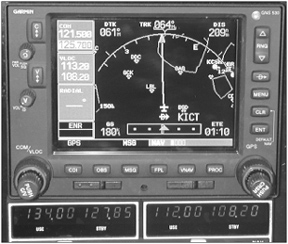
This time, you can blame it on ATC. Controllers arent keeping up with GPS approach clearances and procedures, which is why you need to.

Read More »

Flight Test Safety

While the Golden Age of flight testing is no more, the lessons learned endure. Heres how to apply those lessons to managing and reducing your risks.

Read More »

Maximum Range

When flying beyond the pattern, you have two choices: Fast or far; you cant have both. Heres how to plan and fly maximum range flights.

Read More »

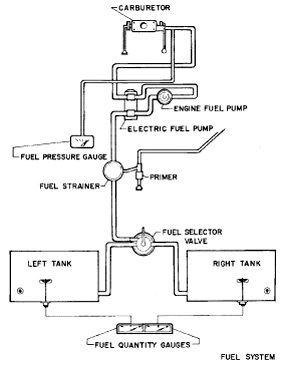
Switching Tanks

Its an article of faith that major maintenance work isnt complete until a full test of all components and systems can be made. Heres why.

Read More »
Pilot in aircraft
Sign-up for newsletters & special offers!

Get the latest stories & special offers delivered directly to your inbox.

SUBSCRIBE