Aviation Safety

Everglades At Night

Long ago and far away, I rented a 182 from my FBO in Tennessee and flew off to visit friends in Florida. As often happens, the friends wanted to fly somewhere, so one morning we piled in and launched for Key West. The flight down was unremarkable, even though I probably was a few pounds […]

Read More »

NTSB Reports

March 2, 2022, Mortmar, Calif. Cessna 182D Skylane At about 0800 Pacific time, the airplane sustained substantial damage during an off-airport landing following total loss of engine power. The solo commercial pilot sustained minor injuries. Visual conditions prevailed. On departing a nearby airport, the pilot climbed to 400 feet agl. Shortly after leveling off, the […]

Read More »

Maintenance Matters

A typical pilot is concerned with aircraft maintenance only to a limited degree. He or she often lacks any ability to perform or approve maintenance at the same time they’re responsible for pre-flight inspections and ensuring the paperwork demonstrates airworthiness. And although the FARs make the owner/operator responsible for ensuring inspections and maintenance have been conducted, […]

Read More »

NTSB Targets SR22T Excessive Fuel Flow

In formal recommendations to the FAA and Cirrus Aircraft, the National Transportation Safety Board (NTSB) is urging action to “identify the cause and reduce the potential hazard” of accidents occurring from excessive fuel flow rates aboard the Cirrus SR22T. The NTSB has identified six accidents in which excessive fuel flow during initial climb—ranging from 42.2 […]

Read More »

Helicopter Wakes

Long ago and far away, my T-hangar at a busy reliever airport outside Washington, D.C., was across from where a nearby county’s law enforcement and emergency medical services helicopter operation was based. Since I was at the end of the hangar row, they were well within 100 yards. The ’copter, a Bell 412 as I […]

Read More »

Recognizing The Unstable Approach

After turning from base to final, a pilot should be able to quickly and correctly determine whether to continue or discontinue the approach to landing by judging salient visual clues. What clues? The runway sight picture, glide path, descent rate, runway heading, airspeed and altitude are the primary ones we should be using. Pilots need […]

Read More »

Down By The River

It was a December afternoon at Spirit of St. Louis airport (SUS), about 1400 local time. Sunny, with scattered clouds, cool. The weather forecast had the word “snow” in it, starting about 1800, which would be after dark, but right now it was sunny. Snow? Seemed like a long way off. Turns out it wasn’t. […]

Read More »

IFR Emergencies

There you are, droning along in the clag toward your destination. You still have over an hour before your ETA and the frequency isn’t all that busy, so you’ve eased the seat back a bit to stretch your legs while George flies. In a few minutes, you’ll get the ATIS and load the expected approach, […]

Read More »

Declaring

Rick Durden’s very nice 2008 essay (“Declaring The Emergency,” published in our January 2009 issue and available on our web site) encourages pilots not to be shy about declaring an emergency. Very recently, a pilot in my area was flying his piston twin at 12,000 msl in IMC, under IFR, on a Saturday, when the […]

Read More »

Is It Safe?

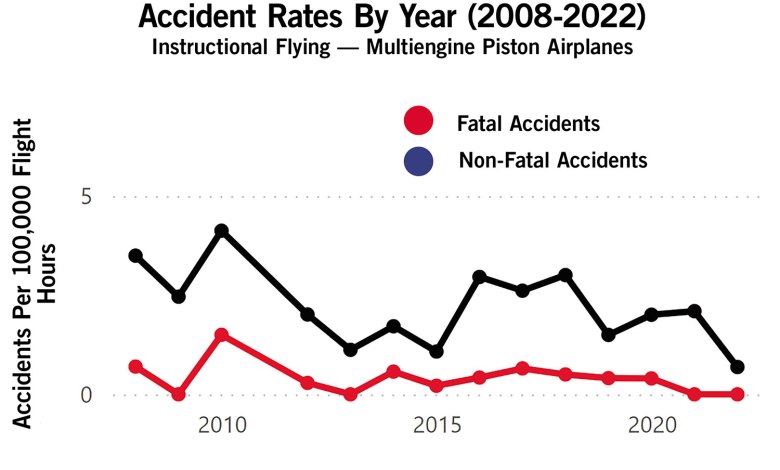
At a recent social gathering of non-pilots—yes, I still have something of a life—an inevitable question popped up: “What do you do for a living?” After explaining that I edit this magazine, am a pilot and aircraft owner, etc., another inevitable question popped up: “Are small airplanes safe?” The questioner was a professional who had […]

Read More »
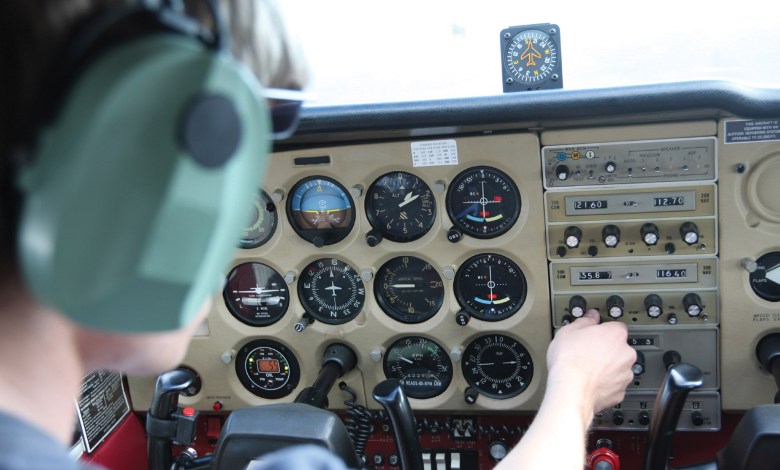
Pilot in aircraft
Sign-up for newsletters & special offers!

Get the latest stories & special offers delivered directly to your inbox.

SUBSCRIBE