Aviation Safety

March 4, 2011, Houston, Texas, Learjet 25

The Mexico-registered airplane experienced a runway excursion and impacted obstructions during landing at about 0400 Central time. The two pilots, two medical crewmembers and two passengers were not injured. Low instrument conditions prevailed; an IFR flight plan was in effect.

Read More »

March 15, 2011, Alachua, Fla., Cessna 182P

At about 1353 Eastern time, the airplane experienced a total loss of engine power during cruise flight. The pilot subsequently made an off-airport forced landing to a field and, during the landing roll, the airplane nosed over. The private pilot was not injured. The airplane sustained substantial damage to the vertical stabilizer and rudder. Visual conditions prevailed.

Read More »

March 19, 2011, Ocean Springs, Miss., Piper PA-28-140

At about 1410 Central time, the airplane was substantially damaged during a forced landing after takeoff. The airline transport pilot and two passengers sustained minor injuries; the third passenger was seriously injured. Visual conditions prevailed. The pilot later stated he flew the 12-mile distance from the airplanes base to pick up the three passengers and consumed “about an hours worth of fuel” while en route. He boarded the passengers, loaded approximately 40 pounds of luggage, and completed the engine start, run-up, taxi and takeoff roll with no anomalies noted.

Read More »

March 19, 2011, Vineyard Haven, Mass., Piper PA-32R-300

The airplane was substantially damaged after experiencing a loss of engine power and forced landing at about 2045 Eastern time. Visual conditions prevailed. The private pilot and one passenger had minor injuries. The pilot reported he was approaching his destination when the engine lost power and quit. Unable to reach the runway, he force-landed on a beach. The airplane struck a piling and came to rest in knee-deep water.

Read More »

Is It Airworthy?

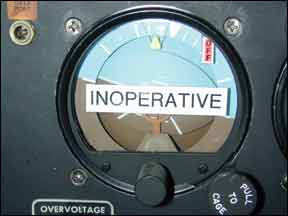
With a few exceptions, the typical personal aircraft is relatively reliable. Modern, solid-state avionics rarely break, we long ago figured out how to build and maintain mechanical flight instruments and, presuming the airframe is both flown and maintained regularly, dispatch reliability of personal aircraft often can be compared to the modern automobile. But, stuff does break every now and then, usually right before were prepping to launch for a family vacation or an important business trip. Some failures automatically mean going via human mailing tube; others often can be resolved after a couple of hours in the shop. In between those two extremes are equipment failures which may reduce the aircrafts capabilities, but dont materially affect either its airworthiness, ability to fly or safety.


Read More »

Think Outside The Box

In-flight emergencies are rare in the typical personal aircraft; the machines we fly are not all that complicated and theres not much to go wrong. While our primary training covered many contingencies, type-specific knowledge gained through a rental checkout, perusing the POH/AFM and dual instruction from someone with intimate knowledge of the machine-along with the emergency procedures checklist-should get us through all but the most extraordinary problems. Not everything we might encounter aloft can be anticipated and practiced, however. For instance, we never know how well handle an in-flight emergency until we have one for real.

Read More »

How CFIT Happens

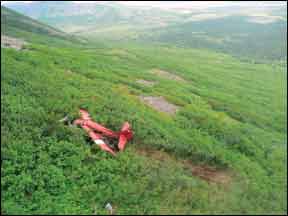
Controlled flight into terrain, CFIT, accidents afflict pilots of all skill levels-those with rookie-level experience and those with more than enough experience to know better than to fall into the traps leading to an abrupt, final, premature arrival. According to a review of NTSB records, more than 40 CFIT-related accidents occurred in the 10 years ending in 2010. And theyre unforgiving and deadly, with 39 of 43 incurring 112 fatalities. The senselessness of one such accident prompted a former NTSB staff member to suggest a review of the probable-cause report issued in an October 2009 crash. The former staffer felt the abbreviated report left a few questions unanswered; the NTSBs probable-cause cite in the final report read with characteristic candor, citing “the pilots decision to continue VFR flight into instrument meteorological weather conditions which resulted in controlled flight into terrain.”

Read More »

Single-Pilot Jet Safety

In the last five years, a new crop of small light jets (I promise not to call them VLJs, or very light jets) has entered the marketplace. Aircraft such as the Cessna Model 510 Mustang, Embraer Phenom 100, and yes, the Eclipse 500 are now out there in the hundreds, and they have carved a successful market niche, albeit not the one envisioned by some observers. These airplanes are designed to be flown by single pilots and its fair to ask whether or not our training and safety model for these airplanes will be up to the task. The record so far looks good but we need to look below the surface for the entire story. We should be looking at a cohort of airplanes that are destined for an excellent safety record, if we assume they will reflect the record of previous turbojet models certified for single-pilot operations.

Read More »

VNE Revisited

In our January issue, we ran an article, “Slow Down, You Move Too Fast,” which focused on aerodynamic flutter, how high speeds can cause it and what can be done to minimize it. One aspect of the article drew comments and criticism from readers, some of which were published in the Unicom section in our March issue, involved that articles statements referencing a fixed-wing aircrafts never-exceed speed (VNE) as a true airspeed. Many readers rightly took us to task for those statements, pointing out VNE is an indicated airspeed-at least when published for the airplanes they fly-expressing skepticism and questioning our veracity. This article is an attempt to both respond to those valid criticisms and set straight the record associated with never-exceed speeds and our original statements.

Read More »

Known Deficiency

Ensuring the aircraft were about to fly is adequate for the mission is one of the reasons we perform preflight inspections. During such inspections, well occasionally find something amiss. Depending on what it is, whether the problem can be remedied before takeoff and the mission, we may decide to depart without it. (The legality of taking off without all equipment functioning is discussed in the article beginning on page 12 of this issue.) Owners tend to know their rides better than a renter knows the airplane he or she has been assigned. We might know, for example, a gentle tap on the oil pressure gauge will awaken it, the landing light has burned out again or the number two comm always has a problem with certain frequencies.

Read More »
Pilot in aircraft
Sign-up for newsletters & special offers!

Get the latest stories & special offers delivered directly to your inbox.

SUBSCRIBE