Aviation Safety

September 26, 2011, Denver, Colo., Boeing 757-222

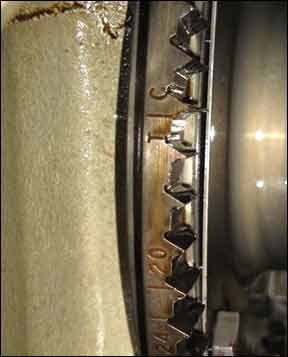
The airplane, operated by United Airlines, experienced a bird strike in its left engine while landing. Examination of the engine revealed all the fan blades were damaged, with three fan blades fractured. The left engine inlet cowl exhibited numerous impact marks on the inner barrel skin with two penetrations forward of the engine fan case.

Read More »

September 28, 2011, Atlanta, Ga., Mitsubishi MU-2B-25

At 1715 Eastern time, the airplane experienced a nose gear collapse during landing rollout. Visual conditions prevailed. The airplane received structural damage to the forward pressure vessel. The airline transport rated pilot and two passengers reported no injuries. After the pilot entered a right-hand traffic pattern and completed all pre-landing checklist items, the airplane touched down on the runway and the nose landing gear collapsed.

Read More »

Iced-Up Departure

Airframe icing is one characteristic of flying I’ve learned to respect. Over the years, I picked up my share of it, once carrying at least a quarter-inch of the clear kind for another 500 nm or so before it melted on descent for my destination. In the winter, I pay particular attention to Airmets Zulu, along with temperature aloft and cloud forecasts. There have been many occasions when I simply cancelled or rescheduled a trip on learning the freezing level was at the surface or below my desired cruising altitude and visible moisture was about.

Read More »

Snap, Crackle, Pop

The air was cool and the skies clear as my wife and I flew the return trip from Albuquerque to our home in California at 10,500 feet. Approaching Flagstaff, I noticed a cracking and popping sound coming through my primary radio. It was a new GPS/Comm unit and I wondered what could be interfering. It was annoying, but wasn’t really a big deal—or so I thought. Soon, I called Albuquerque Center but received no reply. I tried several times but was unable to establish contact. My only explanation was the mountainous terrain.

Read More »

Failed And Worn

Inspection of the sidewall structure revealed a failed crosstie at fuselage station 227.125. The part cracked fully in two pieces and is deformed from its original flat shape, apparently from compression. Two rivets immediately above the break have failed. No other crossties (p/n 101-420013-1122) display any deformation, cracking or evidence of preload.Part Total Time: 8186 hours

Read More »

Winter Tech Traps

If you haven’t noticed, the days are becoming shorter, it’s not as warm out and—depending on where you are—the trees probably have changed color. Welcome to winter, sometimes a seasonal smorgasbord of aviation weather conditions. May we interest you in some unexpected fog? Perhaps a premature sunset? How about a nice mix of solid overcast, low sun angle and variable winds? If you’re a fair-weather pilot, you may be tempted to hang up the headset for a few months, at least until it’s time to adjust the clocks forward. For the most part, that’s the wrong reaction, but it’s clear the short days, low sun angles and long shadows, and freezing precipitation winter brings can tax our individual systems.

Read More »

Preflight Inspections

Aircraft manufacturers would have us perform a recommended preflight inspection before every flight. Sometimes, that’s necessary and appropriate, especially when we’re unfamiliar with the airplane, it’s a rental and/or we find something on a cursory examination making us want to dive down deeper into determining whether the airplane really is airworthy. On the other side of the coin, you may want to go far beyond the handbook’s recommendations. One example is when the airplane is just out of the maintenance shop. The trick is knowing how close a look the aircraft really needs One answer is experience, but that’s not something all of us have in abundance.

Read More »

Learning To Love Stalls

Among the concerns expressed by a brand-new student pilot I was talking with recently was what I took to be a strong fear of stalls. I didn’t have the opportunity to ask him where he learned stalls should be feared. I did, however, relate they were important but—at least when understood—weren’t anything to fear. Which is not to say they shouldn’t be respected. Key to understanding stalls, of course, is knowing why and how they occur, why we practice them and how we can use the knowledge and experience gained during that practice to prevent more dramatic behavior, like deep stalls or spins, especially when close to the ground.

Read More »

When Glass Goes Dark

Among the first things pilots learn is what to do if something goes wrong. Instrument pilots get to learn what to do when instruments or the systems powering them fail and how to get back on the ground with what’s left. Back in the days when each instrument was a separate, physical thing instead of a software construct presenting symbols or alphanumeric data, their presentation was relatively well known and predictable. These days, however, those same instruments often have been replaced with what is essentially a computer screen. What happens when it fails?

Read More »

Risky Business

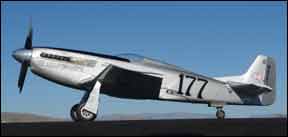
Although I’ve never had the opportunity to attend the Reno National Championship Air Races, I’ve always been something of a fan. I mean, what pilot isn’t interested in an activity involving airplanes and in which the maxim is “go fast, turn left?” So it was with great shock and sadness I learned about the September 16 crash of Jimmy Leeward and Galloping Ghost, his modified P-51 Mustang, into the box seat area at Reno. In addition to Leeward, 10 spectators died, and another 66 suffered serious injuries.

Read More »
Pilot in aircraft
Sign-up for newsletters & special offers!

Get the latest stories & special offers delivered directly to your inbox.

SUBSCRIBE