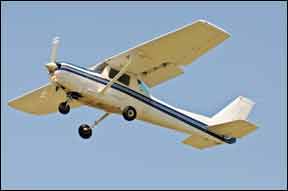
Among the concerns expressed by a brand-new student pilot I was talking with recently was what I took to be a strong fear of stalls. I didn’t have the opportunity to ask him where he learned stalls should be feared. I did, however, relate they were important but—at least when understood—weren’t anything to fear. Which is not to say they shouldn’t be respected. Key to understanding stalls, of course, is knowing why and how they occur, why we practice them and how we can use the knowledge and experience gained during that practice to prevent more dramatic behavior, like deep stalls or spins, especially when close to the ground.
Stalls should be understood and respected, not feared, as they occur when a wing's critical Angle of Attack (AoA) is exceeded, and pilots retain control for recovery.
Even when stalled, a wing still produces lift, and proper use of pitch, roll, and yaw controls allows a pilot to manage the aircraft and prevent spins.
Aircraft weight and, critically, the Center of Gravity (CG) profoundly impact stall behavior and recovery, with a too-far-aft CG presenting a dangerous risk of unrecoverable flat spins.
Pilots must be aware of various stall types, such as accelerated and cross-control stalls, as these are common in everyday operations and can quickly lead to dangerous spins, especially at low altitudes.
Among the concerns expressed by a brand-new student pilot I was talking with recently was what I took to be a strong fear of stalls. I didn’t have the opportunity to ask him where he learned stalls should be feared. I did, however, relate they were important but—at least when understood—weren’t anything to fear. Which is not to say they shouldn’t be respected.
288
CREATE A FREE ACCOUNT
Sign up to keep reading
Create a free account to continue. Already a member? Sign in below.