











Aviation Safety

December 3, 2011, Silverton, Colo., Socata TB21 Turbocharged Trinidad

The airplane collided with terrain at about 1335 Mountain time. The non-instrument-rated private pilot and three passengers were fatally injured. Instrument conditions prevailed; no flight plan had been filed. The pilot contacted ATC while at 20,000 feet to request flight following and reported he could not descend and maintain VFR. Moments later, the airplane disappeared from radar and contact with the pilot was lost. There were no reported distress calls from the pilot.
Read More »

December 8, 2011, Coupeville, Wash., Piper PA-28R-200 Arrow

The airplane sustained substantial damage during a forced landing at about 1557 Pacific time. The solo private pilot sustained fatal injuries. Visual conditions prevailed. A pilot-rated witness adjacent to the accident site observed the airplane at low altitude. The witness did not hear the engine and watched the airplane impact terrain just below the ridge line of a bluff and erupt into flames.

Read More »

December 10, 2011, Surprise, Ariz., Vans RV-7A Experimental

At about 1258 Mountain time, the airplane collided with terrain shortly after the pilot reported a controllability problem. The airplane was substantially damaged and the private pilot, who also was the builder and owner of the airplane, was fatally injured. Visual conditions prevailed. Review of radar data revealed the entire flight was captured. The airplane flew about 25 miles to the northwest of its departure point, maneuvered for a short time, and then began tracking back. Its altitude varied irregularly between about 2700 and 3300 feet msl.

Read More »

December 10, 2011, Armistead, Calif., Vans RV-8 Experimental

The airplane was substantially damaged at about 1316 Pacific time when it impacted terrain while maneuvering. The solo commercial pilot sustained fatal injuries. Visual conditions prevailed. Multiple witnesses observed the accident airplane flying northbound over their position at about 130 feet agl. The witnesses observed the airplane initiate a right turn to the east before performing several barrel rolls. The airplane turned west and performed a loop. Subsequently, the airplane impacted terrain during the maneuver.

Read More »

December 15, 2011, Phoenix, Ariz., Cirrus Design SR22

At about 0954 Mountain time, the airplane experienced a loss of control and descended into a residential neighborhood. At the time, the airplane was on short final for landing. The private pilot was fatally injured; the passenger was seriously injured. The airplane was consumed by a post-impact fire. Visual conditions prevailed.

Read More »

December 2, 2011, Ocoee, Fla., Cessna 560XL Citation Excel

The airplane landed safely at about 1228 Eastern time following an in-flight pitch trim malfunction. The airline transport-rated pilot and copilot were not injured and the airplane was not damaged. Visual conditions prevailed. The flight crew reported a “pitch trim miscompare” message in the cockpit while climbing to FL410. After accomplishing the checklist items and disconnecting the autopilot, considerable forward yoke pressure was required to maintain level flight. The crew found the manual pitch trim control wheel “frozen” in the forward position and were unable to move it.

Read More »

December 7, 2011, Las Vegas, Nev., Eurocopter AS350B2

At 1630 Pacific time, the helicopter, operated as a Part 135 tourist sightseeing flight, crashed in mountainous terrain. The pilot and four passengers were fatally injured, and the helicopter was substantially damaged. Weather was reported as clear with good visibility and dusk light conditions.

Read More »

December 9, 2011, Pampa, Texas, Cessna 421B

The pilot was flying a GPS approach in instrument conditions with icing present. The pilot later stated the airplane broke out of the weather about 300 feet agl and 300 feet right of the runway, with as much as ¼-inch of ice on the wings. The pilot corrected but overshot the runway, landing hard in the grass. The airplane traveled about 1000 feet before re-entering the runway. Post-accident examination revealed the right wing’s rear spar was bent.

Read More »

Engine-Related

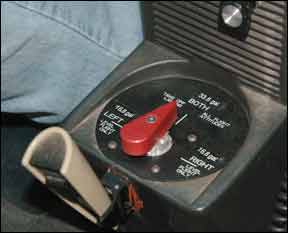
They say flying is hours and hours of boredom punctuated by a few fleeting moments of occasional terror. For the pilot flying a single, maybe it starts as a vibration you’re pretty sure you’ve never felt before, or as a slight pulse of the engine, a muffled thump, popping or a stumble. Maybe your airspeed has dropped off, and the gauges aren’t indicating what they should, or where you left them. The good news is engines rarely stop completely without warning. The bad news? Odds are, if it gets this far into the process of trying to get your attention about a fuel-related issue, things are poised to get more interesting rapidly.

Read More »

Automating Weather

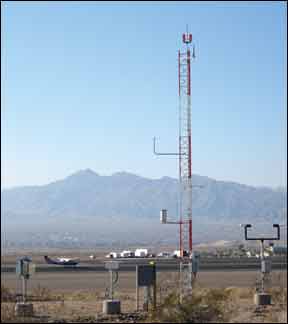
Properly managing risk is essential to successfully pursuing life’s more exciting adventures. Activities such as scuba diving, downhill skiing, motorcycling, mountaineering and, of course, flying, all entail elements of risk which we must consider and manage if the thrills we seek are to be experienced more than once. But risk management often is poorly understood: While most people believe themselves to be prudent, the reality is large risks are often ignored and minor dangers grossly exaggerated. In general aviation, our inability to assess risk properly is evidenced by the number of weather-related accidents consistently gracing NTSB logs, even in the face of widely available near-real-time meteorological data on the ground and in the cockpit.

Read More »
Pilot in aircraft
Sign-up for newsletters & special offers!

Get the latest stories & special offers delivered directly to your inbox.

SUBSCRIBE
