Aviation Safety

Cut, Broken, Cracked

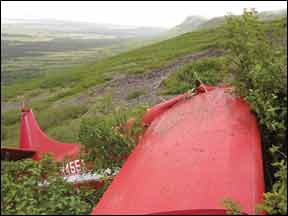
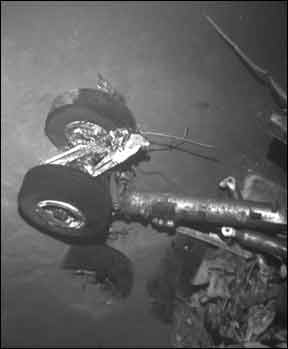
The bulkhead (p/n 0450046-5) was installed in 2007 at 1476.4 flight hours and has been inspected each 100 hours since. At the latest inspection, a crack was discovered at the base of the propeller hub; after removing the hub, severe cracking was found, comprising 85 percent of the distance around the center of the bulkhead. Mandatory propeller removal should take place at least every 200 hours of operation for a more thorough inspection of the bulkhead.

Read More »

Back In The Saddle

Although winter flying can be some of the most rewarding available to an active pilot, not all of us can work out the timing, the short days and the weather enough to go aviate in the cold and damp. Along the way, we’re suddenly not as good at this flying “thing” as we were a few short months ago. But the coming spring promises longer days and warmer temperatures. It’s flying season again, time to unlimber your airplane, even as you ponder your atrophied skills. You don’t need a BFR, and you’re not ready for an IPC, even if you may need one. You just need to get back in the saddle after a few months away. Find your airplane keys, or schedule your favorite airplane at the club/FBO, then put together a plan for the upcoming flight.

Read More »

Air France Flight 447

Modern jetliners just aren’t supposed to fall out of the sky. It’s simply not acceptable (it’s not acceptable when smaller aircraft do it, either, by the way). Decades of refinement, engineering, development and lessons learned have produced an extremely safe worldwide air transportation system. That’s one reason the disappearance of an Airbus A330 operating as Air France Flight 447 from over the Atlantic Ocean almost three years ago is serving as a wake-up call to operators and pilots alike.

Read More »

Climb, Talk, Live

We pilots have been known to do foolish things when under stress. Especially when we find ourselves in a situation for which we have not received any training. The problem is, of course, there are many things for which we haven’t been trained. Not surprisingly, we are likely to worry about the wrong things as we evaluate the hazard we face and then reach the wrong conclusion as to what we should do. It’s natural. We are also the products of a flight training system that has never been willing to educate up and coming pilots on how to avoid the biggest risk we face as aviators—pressing on VFR into crummy weather. We all know it’s the biggest killer annually, but how many of us were taught how to fly by visual references under a 600-foot ceiling an one-mile visibility, or what to do if we find ourselves in such a predicament?

Read More »

Trust, But Verify

One of the biggest challenges with which each aircraft owner must contend is maintenance. The FARs state the owner/operator is the party responsible for ensuring all applicable inspections and maintenance requirements are complied with for continued airworthiness. Typically, the owner/operator lacks certification to perform the required maintenance and inspections necessary for continued airworthiness and engages certificated mechanics and inspectors to perform the require tasks. While the system usually works well, horror stories do arise. Logbooks go missing, what was scheduled to be a week-long annual inspection can turn into a months-long, expensive ordeal.

Read More »

Portability

When we launched my Mooney from Lakewood, N.J., for a fuel stop in South Carolina—before continuing to Key West—there was a 400-foot ceiling with light rain. The surface temperature was above freezing, though, and as we broke out on top without any icing issues, I began to settle in for the four-hour flight. Within a few minutes, however, problems started cropping up. First, there was a subtle change in the quality of ATC communications. Next, the autopilot refused to engage. My passenger’s headset was no longer functioning. Then, the communication and navigation systems failed. We were on top of widespread IMC with no way to communicate or get down.

Read More »

Blue-Sky Briefings

The reports, preliminary and final, too often contain this fateful 10-word sentence: “The pilot did not obtain a weather briefing before departing.” It runs right up there with the tried-and-failed “continued VFR into IMC.” How and why any pilot would fly without a weather briefing almost defies logic these days. Accurate weather information has never before been more plentiful or accessible. The FAA even recognizes a pilot can fulfill all legal requirements of a pre-flight briefing without dialing a Flight Service Station on 1-800-Wx-Brief. Thanks to the wonders of technology, even flight-critical information—Notams, TFRs and the like—can be accessed independently.

Read More »

Analyzing Fatals

The NTSB (or FAA when delegated by NTSB) investigates fatal accidents and the Board issues reports on the probable cause of the accident. The reports also list contributing factors to the accident. Typically, the final reports are peppered with words such as loss of control, controlled flight into terrain (CFIT) and other language describing the final event in the accident sequence and attributing it to one or more other events. But rarely does the report explain the “why” of the accident or the “how” of the pilot’s or other participants’ actions relating to the “why.” For example, in a loss-of-control accident, why did the pilot lose control of the aircraft and how did he or she place themselves in that predicament?

Read More »

Sebring

I’ve been attending the annual U.S. Sport Aviation Expo for the last few years. It’s held in Sebring, Fla., in late January, and features the latest and greatest found in the light sport aircraft (LSA) market from around the world. It’s a much smaller show than the Experimental Aircraft Association’s annual extravaganza in Oshkosh, Wis., or even the Lakeland, Fla, Sun ‘n Fun fly-in. That’s okay, because it’s also much more accessible. This year’s event was no different: It afforded attendees the opportunity to perform an up-close-and-personal check on the LSA industry’s pulse.

Read More »

Preheat And Run-Ups

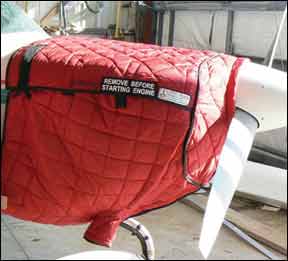
I’ve always enjoyed Tom Turner’s articles through the years. Aviation Safely is a slick magazine with very interesting articles, but I was particularly interested in your winter flying article in the January 2012 edition. My husband and I have a Tanis heater installed in our 1981 Cessna 182. It works great, especially since the plane is hangared, but the utility blankets are very awkward to secure and tie with rope. Where can we purchase such a nifty cowl cover as shown on page 17 of your article?

Read More »
Pilot in aircraft
Sign-up for newsletters & special offers!

Get the latest stories & special offers delivered directly to your inbox.

SUBSCRIBE