Aviation Safety

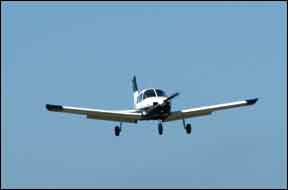
July 16, 2012, Laytonsville, Md., Beech A23 Musketeer

The airplane was substantially damaged when it crashed during takeoff at about 1905 Eastern time. The private pilot received minor injuries; the flight instructor was fatally injured. Visual conditions prevailed.According to witnesses, the pilot applied full power for takeoff. One witness stated it seemed the airplane was “having difficulty climbing out of ground effect.” The airplane climbed to about 150 to 200 feet agl, banked right, stalled and entered a spin before impacting the ground. One witness noted that the engine “backfired” and that he heard it lose power prior to impacting the ground.
Read More »

July 14, 2012, Salina, Utah, Cirrus Design Corp. SR22

At about 1130 Mountain time, the airplane impacted terrain. The private pilot and passenger were fatally injured; the airplane sustained substantial damage from impact forces. Visual and instrument conditions prevailed along the route; no flight plan had been filed.The flight’s radar track indicated the target climbed from 13,700 feet msl to 14,200 feet during its last two minutes of flight. The last radar return was at 11:28:54, at 13,500 feet msl. The accident site was located 1.5 nm southeast of the last radar return. A preliminary review of weather in the area of the accident indicated the cloud base was at 9000 feet msl, with tops at 27,000 feet msl and light rain.

Read More »

July 22, 2012, Pickens, S.C., Cirrus Design Corp. SR22

The airplane was substantially damaged during a forced landing at 1705 Eastern time. The commercial pilot and three passengers were not injured. Visual conditions prevailed.A few minutes after departure and while in initial climb, engine rpm began to rise rapidly, associated with an engine oil pressure warning. The pilot performed remedial actions and thought he had a propeller overspeed condition, so he reduced throttle; however, rpm remained high. He secured the engine, declared an emergency with ATC and turned toward a nearby airport. As the pilot added flaps, the airplane began to feel “mushy.” As the airplane descended through 1000 feet, he deployed the airframe parachute and the airplane settled into trees.

Read More »

Understanding Your Undercarriage

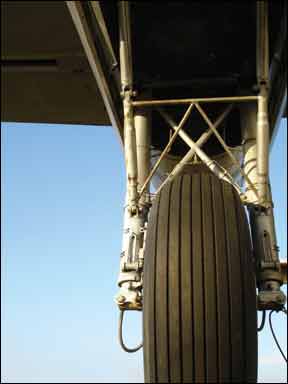
With the possible exception of a hot-air balloon, no matter what kind of aircraft you fly—airplane, glider, helicopter or blimp—it has an undercarriage of some sort, used when it’s on the ground. The component(s) actually resting on the ground can be tires, skids, floats or skis, but they’re attached to the airframe via the undercarriage. In turn, the undercarriage can be fixed, retractable or a mix (e.g., the main gear retracts while the tailwheel doesn’t). And just as there are a seemingly endless number of airframe configurations, undercarriages come in many different flavors.

Read More »

Glider Add-On

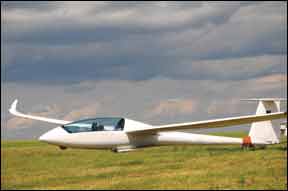
Several years ago, I bought my husband a ride in a glider as a gift, and I latched on to the idea of learning to soar. I had read and heard about how flying gliders could add to the safety of flying an airplane, not only as a result of the skills and judgment learned but also by improving basic stick and rudder work. I was of the opinion whatever basic skills I had were continually being eroded by flying the same airplane the same way year after year. I fly a Piper Comanche, a fantastic airplane, but I felt raw power and Buick-like flight characteristics were covering my flaws. I wanted something to shake things up a bit and get me back into sensing more of what the airplane was doing and how I was influencing it.

Read More »

Minimum Airspeed

Most of us use airplanes to go places fast, or at least faster than other forms of personal transportation. Some of us use them to go slow, to check out the fall colors, to look for wildlife and other features on the ground or, being in no real hurry, because we can. Regardless of which mission you’re flying, each flight includes two segments when we’re at something close to the airplane’s minimum controllable airspeed: takeoff and landing. But flying at minimum controllable airspeed can have other uses. For one, it’s a great way to teach a student how to handle an airplane when landing. For another, it can help even rated pilots hone some long-forgotten or disused skills. A third reason can involve checking an airplane’s control system and major surfaces for proper rigging or confirming its flight characteristics.

Read More »

Out Of Range

No airplane is perfect for every mission. Designers make compromises in the hope of producing an airplane that will find enough buyers to be a marketing success. But buyers have proven they sometimes want what manufacturers won’t provide, so we have a lively market in aftermarket mods. One popular mod is for more powerful engines in airframes like the Cessna 172. The results include better climb, a little faster cruise and, unfortunately, higher fuel burn. All aftermarket modifications to an airplane come with drawbacks. They can be as simple as a bit of added weight and a logbook entry or complicated enough to require a lengthy supplement to the paperwork. The more we alter the airplane’s original performance, the more we need to understand the mod’s impact on the airplane’s other characteristics.

Read More »

Where’s It Say That?

There I was, a cocky preppy with an airplane, trying to get home after a week at the beach. I’d flown a borrowed Skyhawk about 3.5 hours since full tanks, leaving me about 1.5 to dry ones. It was Sunday and the weather sucked. I could get out fine with an IFR clearance, but the beach-side airport where I landed had no fuel.Remember how the IFR alternate rules work when filing a flight plan? If the destination airport TAF or area forecast, within an hour either side of your ETA, advertises less than a 2000-foot ceiling and three statute miles, you need to file an alternate airport in your flight plan. In turn, that alternate airport has to have a forecast of 600/2 for precision approaches or 800/2 for non-precision. No problem. My destination was advertising something like 1500/5. I could get there VFR, but I had to file an alternate.

Read More »

Where’s It Say That?

There I was, a cocky preppy with an airplane, trying to get home after a week at the beach. I’d flown a borrowed Skyhawk about 3.5 hours since full tanks, leaving me about 1.5 to dry ones. It was Sunday and the weather sucked. I could get out fine with an IFR clearance, but the beach-side airport where I landed had no fuel.Remember how the IFR alternate rules work when filing a flight plan? If the destination airport TAF or area forecast, within an hour either side of your ETA, advertises less than a 2000-foot ceiling and three statute miles, you need to file an alternate airport in your flight plan. In turn, that alternate airport has to have a forecast of 600/2 for precision approaches or 800/2 for non-precision. No problem. My destination was advertising something like 1500/5. I could get there VFR, but I had to file an alternate.

Read More »

Frayed, Stuck, Cracked

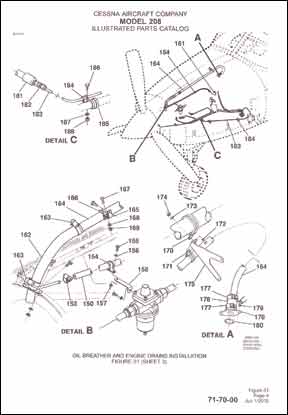
The pilot reported an unusual amount of oil was being consumed and oil pressure was fluctuating. There were no external signs of an oil leak. When bleed air was turned on, a fine mist of oil issued from the heater vents. Troubleshooting found the engine vent line (p/n: S51-14) had collapsed, internally pressurizing the case and causing the oil to leak internally into the compressor.

Read More »
Pilot in aircraft
Sign-up for newsletters & special offers!

Get the latest stories & special offers delivered directly to your inbox.

SUBSCRIBE