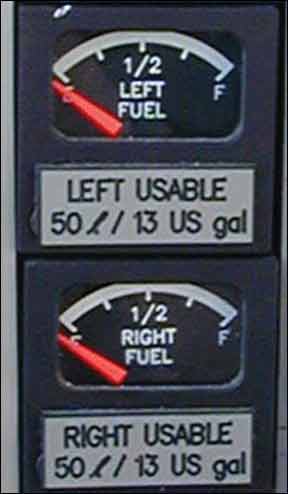
There I was, a cocky preppy with an airplane, trying to get home after a week at the beach. I’d flown a borrowed Skyhawk about 3.5 hours since full tanks, leaving me about 1.5 to dry ones. It was Sunday and the weather sucked. I could get out fine with an IFR clearance, but the beach-side airport where I landed had no fuel.Remember how the IFR alternate rules work when filing a flight plan? If the destination airport TAF or area forecast, within an hour either side of your ETA, advertises less than a 2000-foot ceiling and three statute miles, you need to file an alternate airport in your flight plan. In turn, that alternate airport has to have a forecast of 600/2 for precision approaches or 800/2 for non-precision. No problem. My destination was advertising something like 1500/5. I could get there VFR, but I had to file an alternate.
A pilot with limited fuel and IFR conditions attempted to file his destination airport as both his primary destination and his alternate, despite initial resistance from the flight briefer.
His initial fuel calculations showed insufficient reserves if he had to divert to a traditional alternate after a missed approach, leading him to rely on improving weather forecasts at his destination.
The flight was completed safely, but the pilot acknowledged that this filing strategy violated the spirit, if not the letter, of ambiguous IFR alternate regulations and was an unsafe practice.
There I was, a cocky preppy with an airplane, trying to get home after a week at the beach. I’d flown a borrowed Skyhawk about 3.5 hours since full tanks, leaving me about 1.5 to dry ones. It was Sunday and the weather sucked. I could get out fine with an IFR clearance, but the beach-side airport where I landed had no fuel.
288
CREATE A FREE ACCOUNT
Sign up to keep reading
Create a free account to continue. Already a member? Sign in below.