Aviation Safety

Where’s The Traffic?

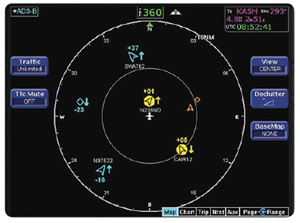
A recent discussion with a friend who happens to be an aviation attorney got me thinking about how pilots put too much faith in cockpit traffic alert systems. Without spilling the beans on privileged client/attorney speak, he spoke of a lawsuit he was working that arose from an ugly mid-air collision involving an aircraft well-equipped with high-end traffic alerting gear. It’s the type of accident provoking lots of emotion since it sadly took some lives. From what I could gather, there were some fingers wrongly pointed at the traffic system manufacturer, as if the traffic system failed at its intended job.

Read More »

Running The Scud

In February 2009, I flew from my home base at the non-towered airport (X04) in Apopka, Fla., to Kissimmee, Fla. (ISM), to meet some friends and then head off to a nearby airport nearby for lunch. This is something we have done pretty much every Friday for years with the same bunch of guys. This day started out as every Friday had for years but didn’t end that way.

Read More »

Frayed, Stuck, Cracked

This aircraft has factory-installed, extended range fuel tanks, a “wet wing” design in each wing tip. These tanks were found leaking through the fuel vent tubes (p/n 60-170010) on both sides. The cause of the leak was found to be the deterioration of the sealant around the tube slip-joint fittings.

Read More »

More On Ditching

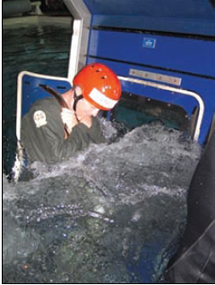
I’d like to add a couple of points to Jeff Schweitzer’s great article on ditching (“One If By Land, Two If By Water?” June 2012). It’s not just a single-engine issue, and water can actually be a preferable place for an emergency, since there’s little likelihood of fire or hard objects.

Read More »

July 1, 2012, Greene, N.Y., Cessna R172K Cutlass RG

At about 1530 Eastern time, the airplane experienced a hard forced landing. Visual conditions prevailed. The airplane sustained substantial damage. The solo private pilot was not injured.While en route, the engine began to run rough, followed by a loss of power. Because he was unable to maintain altitude, the pilot elected to land downwind and touched down about midpoint of the runway. The nose landing gear contacted the runway surface hard. The No. 3 cylinder assembly was circumferentially fractured, separating the barrel and head. There also was structural damage to the engine firewall.

Read More »

July 2, 2012, Thomson, Ga., Velocity XL RG Experimental

The airplane’s nose landing gear strut separated from the aircraft on the landing rollout at 1745 Eastern time. The airplan sustained substantial damage. Visual conditions prevailed; the solo private pilot reported no injuries.The pilot landed on the main gear and lowered the nose gear to the runway. The nose wheel started shimmying, then the nose pitched down. The pilot steered the airplane off the runway. The airplane nose landing gear yoke and strut had separated and were on the runway.

Read More »

July 2, 2012, West Glacier, Mon., Cessna 205

The pilot reported the airplane accelerated normally on the takeoff roll, becoming airborne between 1000 and 1200 feet down the 2500-foot runway, but wasn’t climbing as he expected. The pilot elected to abort the takeoff and reduced power, but then realized he did not have enough runway remaining to land. As the pilot was adding power to abort the landing, the airplane contacted the ground, departed the runway and came to rest about one-quarter mile beyond it, after colliding with a log. The pilot later stated the optical illusion of rising terrain and a rising runway caused him to believe the airplane was not climbing adequately.

Read More »

July 4, 2012, Tallahassee, Fla., Robinson Helicopter R44

At approximately 0340 Eastern time, the helicopter was substantially damaged when it impacted a lake while maneuvering. The solo private pilot was not injured. Night visual conditions prevailed. After returning from a cross-country flight, the pilot took off in the helicopter to build night time and conduct a night landing. While maneuvering to return to the airport, the pilot saw the clutch actuator light illuminate and remain illuminated for nine seconds. The pilot reached for the circuit breaker box under the passenger seat and then felt “light in the seat.” The helicopter was rapidly descending, and he pulled up on the collective to arrest the descent.

Read More »

July 5, 2012, Mesquite, Texas, Piper PA-28RT-201 Arrow IV

The airplane was substantially damaged during landing at about 1600 Central time. The pilot and passenger were not injured. Visual conditions prevailed. During landing gear extension, the pilot noted a flickering right main landing gear light. Subsequently, the pilot received visual report from others who indicated his landing gear appeared down and locked. During the landing rollout, the right main landing gear collapsed and the airplane departed the right side of runway, resulting in buckling of the fuselage and penetration of the firewall by the engine mounts.

Read More »

July 4, 2012, Greers Ferry, Ark., Cessna 172K Skyhawk

The airplane had reached approximately 80 feet agl on takeoff when it encountered an “air pocket.” The airplane descended; its left wing contacted 20-foot-tall trees. The airplane descended to the ground, coming to rest alongside a building. The left wing was substantially damaged. The density altitude was calculated to be 3790 feet. The pilot recommended that taking off with a cooler temperature and less weight in the airplane could have prevented the accident. The pilot did not recognize and compensate for the high density altitude existing at the time of takeoff.

Read More »
Pilot in aircraft
Sign-up for newsletters & special offers!

Get the latest stories & special offers delivered directly to your inbox.

SUBSCRIBE