Aviation Safety

June 7, 2012, Lake Wales, Fla. Pilatus PC-12/47

The airplane departed controlled flight and broke up at about 1235 Eastern time. Instrument conditions prevailed at the airplane’s cruising altitude and location; an IFR flight plan was in effect. The airplane was substantially damaged. The private pilot and five passengers were fatally injured.

Read More »

June 10, 2012, Moscow Mills, Mo. Cessna 172H Skyhawk

The pilot later reported taking off from Runway 27 with winds from 180 degrees at 13 knots gusting to 23 knots. The airplane encountered a strong gust of wind at about five to 10 feet above the runway, then drifted left of centerline and bounced on the runway. The pilot steered the airplane back to the centerline and attempted to abort the takeoff by applying full brakes and pulling the throttle to idle. The airplane went off the end of the 3227 foot runway and the pilot was unable to stop on the wet grass as it went down an embankment. The airplane crossed a road and went into a steep ditch, sustaining substantial damage.

Read More »

Where’s The Traffic?

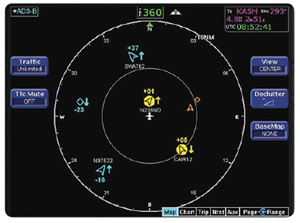
A recent discussion with a friend who happens to be an aviation attorney got me thinking about how pilots put too much faith in cockpit traffic alert systems. Without spilling the beans on privileged client/attorney speak, he spoke of a lawsuit he was working that arose from an ugly mid-air collision involving an aircraft well-equipped with high-end traffic alerting gear. It’s the type of accident provoking lots of emotion since it sadly took some lives. From what I could gather, there were some fingers wrongly pointed at the traffic system manufacturer, as if the traffic system failed at its intended job.

Read More »

Seven IFR Exercises

If you’re like many pilots, you’ve plotted some vacation time and plan to use the family flying flivver for a summer-sunshine, blue-sky getaway. Good idea—that helps keep the skills as sharp as possible—but there’s probably not much IMC you want to fly in during the summer and most of your flights will be in daytime. Remember, though, that as sure as summer follows spring, fall and winter will arrive, bringing with them fewer blue skies and shorter days. That translates into more IMC with a better chance some part of your flight will occur in nighttime conditions. What better time than summer to sharpen those least-used skills—instrument and night flying?

Read More »

The NTSB Safety Alert On Nexrad Imagery

Thunderstorms are a perennial topic whenever pilots get together to discuss weather, especially in summertime. Often, the conversation drifts from detection and avoidance to penetration and how to keep the shiny side up once we’re inside one. War stories inevitably are told, always followed by some version of the “don’t try this at home” admonition.

Read More »

Is The LSA Safe?

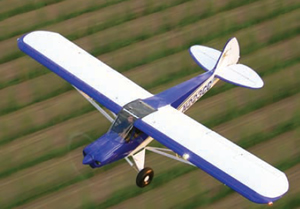
The aviation world rejoiced in the summer of 2004 when the FAA announced the long-awaited adoption of its light sport aircraft (LSA) rulemaking, and the sport pilot certificate. Small, simple aircraft manufactured to industry consensus standards instead of the agency’s regulations should be vastly less expensive than traditional entry-level aircraft. Pilots who self-certify medical fitness to fly on the basis of their state’s driver license requirements could avoid the expense of an FAA medical certificate (the same pilot self-certification of medical fitness to fly applying to private and higher pilots still applies to sport pilots). Overall, the price barrier to personal aviation should fall away, causing a resurgence in new pilot starts and a renaissance in recreational and entry-level career track flying.

Read More »

Ground Handling 101

Each flight of a land-based airplane begins and ends at the tiedown, or in the hangar. Even if you’re flying a seaplane, glider or helicopter, some degree of preparation, care and feeding of your aircraft occurs on the ground/water, where it actually spends most of its time. How we operate an aircraft on the ground doesn’t carry with it the same levels of risk as when we’re airborne, but like anything involving aviation, there are right ways and wrong ways to do things.

Read More »
Pilot in aircraft
Sign-up for newsletters & special offers!

Get the latest stories & special offers delivered directly to your inbox.

SUBSCRIBE