Aviation Safety

NTSB Reports: Recent general aviation and air carrier accidents

The pilot and flight instructor had been flying for over two hours, doing air work and making touch-and-go landings at area airports. Returning to the airplane’s base, they were making a final touch-and-go landing when the engine lost power. Unable to glide back to the runway, the flight instructor made a forced landing in a plowed field north of the airport. The airplane touched down hard, shearing off the landing gear and sliding 60 feet before coming to a stop. The firewall was buckled. The flight instructor and pilot sustained minor injuries. Examination revealed the fuel selector was positioned on the left fuel tank. One quart of fuel was drained from the left fuel tank. The right fuel tank had not been compromised and contained fuel.

Read More »

Five Landing Fixes

Especially when looking at recent accidents involving scheduled airliners, it occurs that some people are still having problems with their landings. Yes, they can be difficult to master, especially when crosswinds or other factors complicate things and distract us. But this shouldn’t be so hard.

Read More »

The Art of Crashing

When considering how to crash, my first bit of advice is don’t do it. Since the reality of any flight is that things can go wrong, that isn’t particularly helpful, I know. What can go wrong? Your crankshaft can break, your fuel lines can clog or, if you are a damn fool, you can run out of gas. The point is, someday your engine may stop working for reasons beyond your immediate control and your next option is an off-field landing, or worse. If you’re lucky, you will be mid-field downwind at your home airport and it will work just like the last time you practiced engine-out procedures—you do still practice those, right?

Read More »

Wing Shape And Ice

I’m a South Florida lady, and so is my fine flying machine. It’s relatively fat wing, tapered tips, relatively thin horizontal and vertical tail surfaces and elevator with “horns” are made of .032 aircraft-grade aluminum coated with paint (and not even that much paint). And even though I’m at a balmy 30 degrees North latitude, a momentary jaunt through the middle of a building cumulous cloud at the right altitude and outside temperature can easily coat my aircraft in a shiny glazing of thick, clear ice.

Read More »

Departure Procedures

The instrument-rated pilot of a Cessna 182S Skylane received an IFR clearance about 15 minutes prior to departure from Runway 18R. Witnesses reported observing the airplane pass directly over their work site at a very low altitude, about one mile south of the airport. Radar data disclosed that the airplane was airborne for about 1.5 minutes. Following departure, the airplane made a left bank to an easterly heading while gradually increasing its altitude to 1000 feet msl. The last two returns show an altitude of 900 feet msl and a slight change of direction back toward the south.

Read More »

Real-World Risk Management

Regular readers of this journal are familiar with the series of articles I’ve written and advice I’ve given on the art and science of risk management. By now, you’re probably curious as to whether I actually use and implement the information and practices I recommend in my own aviating, or whether I’m merely speculating from some safe, lofty journalistic perch.

Read More »

AirVenture ATC Fees

In July’s issue, I discussed the FAA’s demand that the Experimental Aircraft Association (EAA) cover controllers’ travel, per diem and overtime costs to provide ATC services at this year’s AirVenture fly-in. Subsequently, the EAA agreed to pay the agency some $447,000. (Full disclosure: EAA compensates me to work as a freelancer on the show’s daily newspaper during AirVenture.) There are a lot of opinions on this topic, ranging from, “They can have ATC fees when they pry them from my cold, dead hands,” to the more thoughtful one on the opposite page.

Read More »

Of Camels And Tents

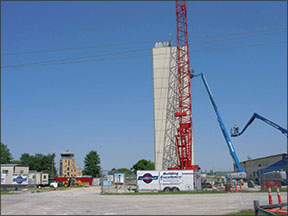
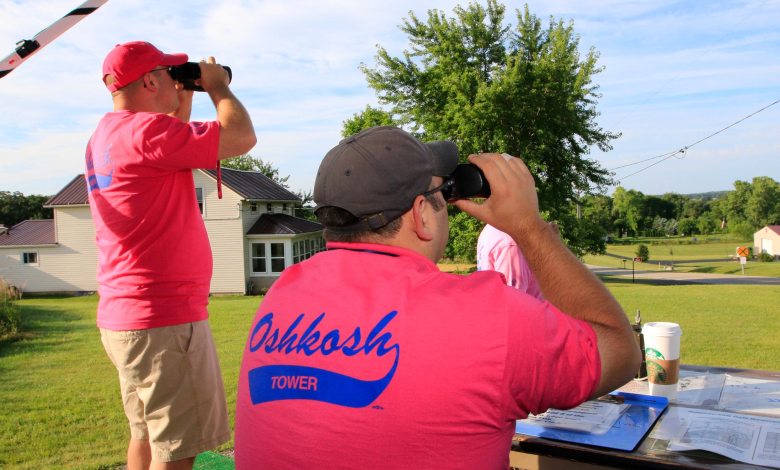
hile I don’t like to pay more for flying than I currently do, nor do I want see the U.S. kill general aviation through predatory user fees like in Europe and elsewhere, we need to be more open-minded about user fees. And I would like to provide a differing perspective to user fees, specifically regarding the FAA’s incremental ATC costs to support the Experimental Aircraft Association’s (EAA) AirVenture.A few years ago, the FAA paid millions of dollars for a great-looking control tower at OSH—was it really needed? Let’s agree it was a good investment of public funds to support the one week of AirVenture. Most of the year, the traffic count at OSH is very low and the old tower did just fine. And let’s consider that cost as part of ATC infrastructure costs. That is why I’m focusing on incremental costs, not total costs.

Read More »

Shelter From The Storm

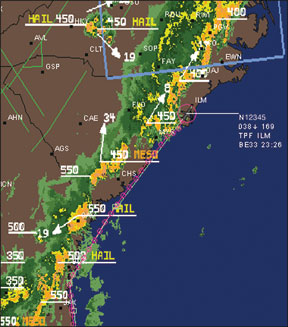
The day’s mission was to attend a family reunion in Florida, then get back to my home ‘drome in the mid-Atlantic. I had work the next day and my kids had plans. It was summertime, so thunderstorms were a concern, even if that day’s weather wasn’t too bad. The reunion concluded, the kids and I got to the airport, launching into good VMC, and began working our way across Florida and up the Atlantic seaboard.

Read More »

Plugged, Stiff, Broken

Before the second landing, the crew selected gear down, which showed down and locked, but the crew saw and smelled smoke. The landing gear circuit breaker tripped after gear completed cycle. Inspection confirmed source of smoke was from the landing gear actuator motor and a faulty dynamic brake relay (mfr p/n SM50D7) is suspected to have caused the landing gear motor to overtravel against hard stop and smoke.

Read More »
Pilot in aircraft
Sign-up for newsletters & special offers!

Get the latest stories & special offers delivered directly to your inbox.

SUBSCRIBE