Aviation Safety

Known Deficiencies

Under basic Part 91 rules for certified aircraft, everything aboard has to be documented and working. The aircraft can remain airworthy if failed equipment isn’t required for the operation, and is placarded and isolated from other systems. But an airplane is like any other mechanical contrivance: it’s subject to wear and tear: A system may function, but not as intended.A good example can be braking systems. Those on typical personal airplanes are hydraulically actuated, as…
Read More »

My Ditching

The NTSB’s factual report is succinct: “The pilot stated that, about 30 minutes into the flight, he was over the water about 15 miles to the nearest land, when the engine experienced a total loss of power.

Read More »

Preparing To Ditch

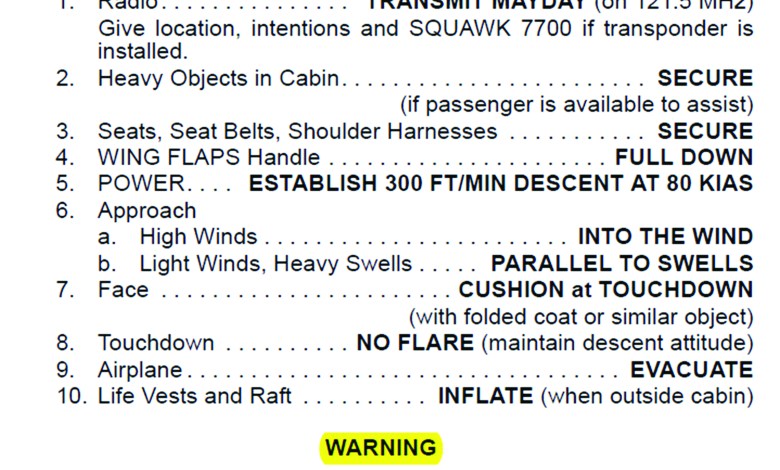
All kinds of advice is available from the FAA, manufacturers and other sources on how to ditch an airplane. In fact, the how is fairly easy—it can be summed up as “land in the water.” The checklist excerpt at right, for a Cessna Model 208B Grand Caravan, discusses the major items. (We added the highlighting noting Cessna hasn’t test-ditched a Caravan.)

Read More »

Electrical

Aircraft departed but pilot could not retract landing gear. Pilot diverted to nearby airport without problems. Maintenance found a broken wire at the gear selector switch. Repaired wire, ops checks good.Part Total Time: 15,557 hours

Read More »

ADS-B Upgrade Choices

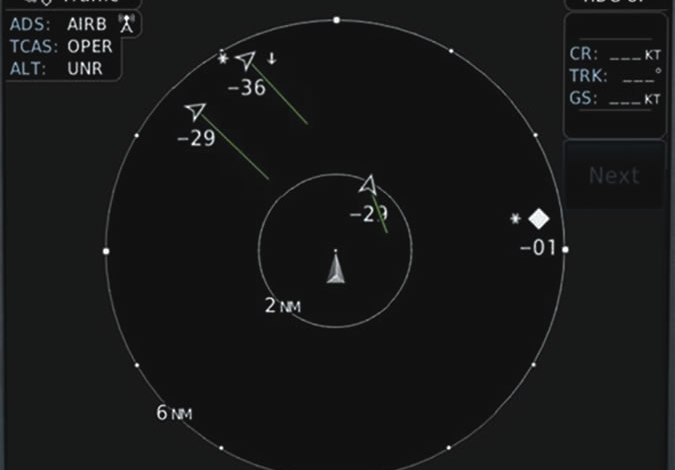
About the time this issue of the magazine hits your mailbox, the FAA will hold what its labeled a Call to Action summit designed to engage the aviation industry in meeting the January 1, 2020, deadline to equip aircraft with new avionics technology. The invitation- and industry-only event is set for October 28 and is the agencys latest high-visibility attempt to encourage users of all affected aircraft and airspace to equip with technology complying with the FAAs NextGen standard, namely, ADS-B OUT. The table on page 15 details where itll be required.

Read More »

Long-Range Risks

After learning to fly, many pilots want to use their new skills to go places. Whether they rent or own an aircraft, and whether it’s a high-performance or a simple fixed-gear single, many pilots want to use their machines for on-demand transportation. It’s a natural desire for a freshly minted private pilot, and for a long time was general aviation’s bread and butter.

Read More »

All About Ailerons

Last month in this space we tackled “Proper Rudder Use,” pointing out that in many situations involving angles of attack (AoA) at or near the stall, rudder and not aileron should be the control used to maintain both heading and a wings-level attitude. We also explored how rudder is used to compensate for adverse yaw, and presented a simple exercise pilots can use to demonstrate both its proper and improper application.

Read More »

Is ADS-B Ready for Prime-Time?

Some observers are not sure ADS-B will be ready by 2020 or, if it is, whether the benefits promised by the FAA will be available. In September 2014, doubters got a boost when the Department of Transportation’s Inspector General (DOTIG) reported “ADS-B benefits are limited due to a lack of advanced capabilities and delays in user equipage.” [IMGCAP(1)]According to the DOTIG, the FAA “has not sufficiently tested the entire ADS-B system” and what testing has been…

Read More »

Fighting Fatigue

If you’re doing it right, a long-distance flight can be boring. Sitting in the same seat for hours at a time, watching George fly the airplane and occasionally acknowledging a frequency change isn’t the most stimulating way to spend an afternoon. If there’s no weather to worry about, and if you’re in airspace with little traffic, there simply isn’t much to do except scan the gauges, switch tanks every now and then, keep track of…

Read More »
Pilot in aircraft
Sign-up for newsletters & special offers!

Get the latest stories & special offers delivered directly to your inbox.

SUBSCRIBE