Legal Matters

FAA Revises Part 23

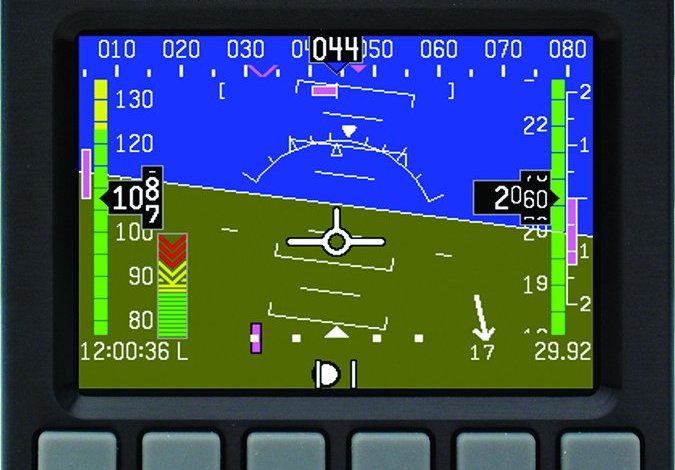
The FAA December 16 released its long-awaited final rule making significant revisions to small aircraft certification standards. The new FAR Part 23 rule addresses how airplanes weighing up to 19,000 pounds can be certified and implements performance-based airworthiness requirements instead of the prescriptive design requirements it replaces. It apparently offers little regulatory relief to owners or operators of existing or aging aircraft. Given the scope of the rule changes, the FAA is delaying its implementation eight months, to August 30, 2017.
Read More »

Aviation Safety 2016 Editorial Index

Catastrophic FailureAugustClassic CFITMayCloak Of InvincibilityDecemberFifteen MilesJuneMinimum EquipmentMarchMissing Flight PlanOctoberMostly MundaneJanuaryRunning The ScudAprilSpin Recovery FailureSeptemberThe Impossible TurnFebruaryToo Much Automation?NovemberUnsecured CargoJuly

Read More »

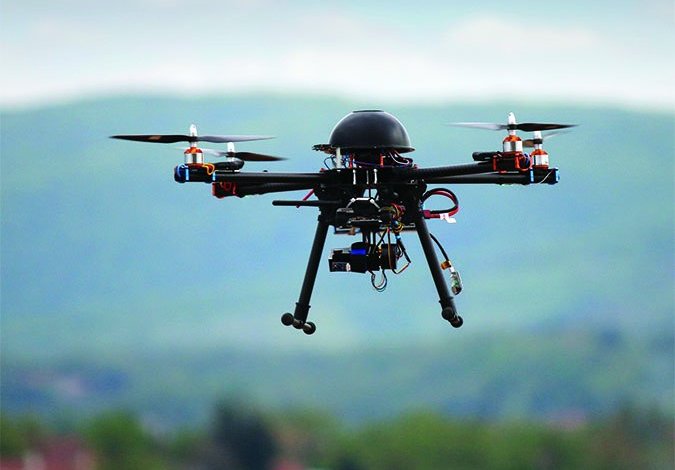
Rated Pilots Get Easy Drone Certification

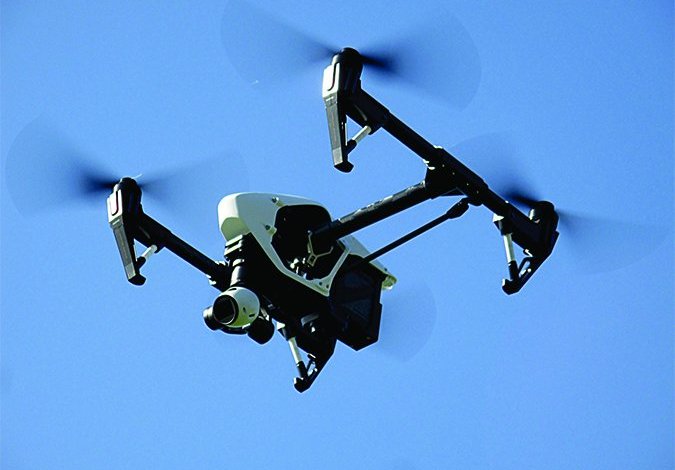
A new rule from the FAA on commercial drone operation was published in late June and offers some opportunities for rated pilots who might want to branch out a bit. The good news is the new rules allow even a private pilot to earn some coin by operating a drone without the pesky nuisance of getting a commercial certificate. The great news is it shouldnt cost anything-just some time to go through a training presentation on an FAA web site and then do some online paperwork at another FAA web site.

Read More »

FAA Deregulation Picks Up Speed

If the U.S. general aviation industry has its way, a new FAA framework for certificating aircraft and components-including the ways new equipment is installed on in-service aircraft-would be in place by the end of the year. Thats one of the goals expressed in a joint statement supporting a proposed rewrite of the agencys Part 23 rules, those under which small airplanes are certificated and equipment for them is approved.

Read More »

Gears, Flaps, and the Pilot’s Bill of Rights 2

I take issue with the suggestion that it is generally a good idea to retract the landing gear before retracting the flaps to a mid/approach setting. There are a lot of pilots who are going to find that getting medical clearance to fly will be harder, not easier, under this proposed law. My fear is that the process will be foisted back on AMEs without liability protections nor the ability to order tests to verify fitness without a patient/physician relationship.

Read More »

Analyzing PBOR2

As long-time readers know, weve been following developments on industry attempts to deregulate the FAAs airman medical certification process. Happily, on December 15, 2015, the full U.S. Senate passed its version of the underlying measure, the Pilots Bill of Rights 2 (PBOR2), by unanimous voice vote. The bill, S. 571, now goes to the U.S. House of Representatives, where its immediate future is uncertain at this writing. The Senates vote to pass PBOR2 comes on the heels of literally years of work by industry organizations, individuals and Sen. James Inhofe (R-Okla.), the bills sponsor, to deregulate, or reform if you prefer, circumstances under which an FAA medical certificate is required for pilots commanding personal aircraft. The PBOR2 legislation builds on more than 10 years of experience with the FAAs sport pilot certification, which merely requires a state-issued drivers license as proof of fitness to fly. The Senate-passed version may actually require pilots to spend more time with their personal physician, reviewing their fitness to fly than before. The sidebar on the opposite page summarizes the bills provisions.

Read More »

Pilot Bill of Rights, Control Riding and Dealing with Drones

The Air Line Pilots Association (ALPA) on June 23, 2015, wrote U.S. Senators saying it is fundamentally opposed to the dangerous policy shift proposed by the Pilots Bill of Rights II (PBOR2). Reader Martin Brookes writes that every instructor he has flown with couldnt resist adding their control input on landing via subtle, unannounced control inputs to help the student. This is an unfortunately common practice, sometimes called control riding. While its easy to bash the FAA efforts to regulate drones, its important to note Congress in 2012 told the agency to come up with a regulatory scheme allowing UAS operations in the national airspace.

Read More »

Penalty Box

Enforcement for busting TFRs is all over the map, depending on how you bust which space – and what it means to anothers career

Read More »
Pilot in aircraft
Sign-up for newsletters & special offers!

Get the latest stories & special offers delivered directly to your inbox.

SUBSCRIBE