











IFR Rules, VFR Tools
When the weathers good, IFR pilots have a lot more flexibility than when its too foggy to drive to the airport. Know what they are and when you can use them.

When the weathers good, IFR pilots have a lot more flexibility than when its too foggy to drive to the airport. Know what they are and when you can use them.
Non-precision approaches may lack vertical guidance, but theyre anything but imprecise. Here are five things you need to think about before accepting that clearance.
When stratus happens and you didnt file, youll need to sweet talk your way into the system. Here are some practical tips to do that safely.
Is the attitude indicator itself to blame for loss-of-control accidents in IMC? Its all in the way pilots perceive information the instrument is presenting.

A decade ago, the avionics in one panel worked the same as the next. Not anymore. Theres genuine risk in flying glass without training.
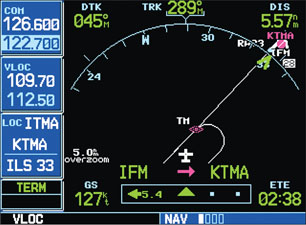
Getting a vector to the final approach course is the norm at most airports, not the exception. But there are still a few things you need to know.

Tomorrows ATC system may require pilots to identify and separate themselves from each other. Heres why, and how it is supposed to work.

Pilots are always finding new ways to screw up an instrument approach. Look out for these five mistakes.

Accuracy and efficiency should be the goals of our communications. Dont hesitate to revert to a simple dialogue if necessary to be understood.

The NTSBs improper IFR category covers a host of pilot errors. Heres our top five list of common IFR mistakes and how you can avoid making them.

Get the latest stories & special offers delivered directly to your inbox.
SUBSCRIBE