










A Spinning Yarn
Buzzing and hot-dogging are the leading spin scenarios, often by highly qualified pilots who ought to know better.

Buzzing and hot-dogging are the leading spin scenarios, often by highly qualified pilots who ought to know better.

When faced with a controlled forced landing, water offers little danger. Surprisingly, the same is true of heading for the trees.
VFR pilots who stumble into IMC have a chance if they can resist the urge to overcontrol the airplane.
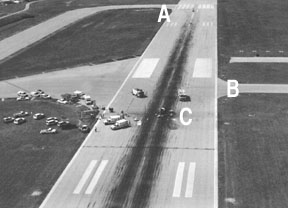
You often see what you expect to see rather than whats really there, a deadly combination on a Sarasota runway.
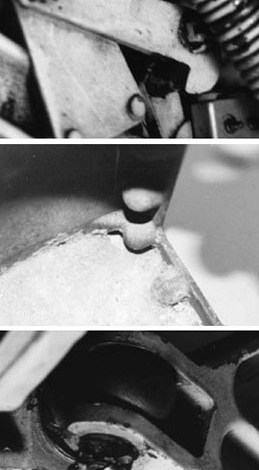
[IMGCAP(1)]Advice: $50. Good Advice: $100. Questions Answered: $50. Dumb Questions Answered: $100. Service: $50/hr. Service if you participate: $100/hr.
For most owners, airplane maintenance is a pit of quicksand. If you plunge in, its easy to get in over your head. But if you stay out, mechanical problems can accumulate until dispatch reliability and safety are severely compromised.
The question each owner has to ask is how involved in maintenance they want to be. The question has many answers, and the road to answering it depends upon first determining your objectives. Is the goal to save money? Improve reliability? Log hours toward the A&P requirement?
Next, you have to ask yo…
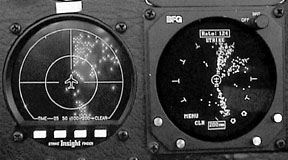
[IMGCAP(1)]Thunderstorm. That word causes more angst among aviators than just about any other atmospheric phenomenon. The thought of getting tangled up in the violent bowels of a mature thunderstorm – heavy rain, severe turbulence, hail and lightning – weighs heavily on the mind of any pilot flying or planning to fly when thunderstorms are active.
And that angst is well founded. Every year a number of aircraft, their pilots and passengers are lost to thunderstorms.
A vast array of ground-based and airborne technology, probably worth billions of dollars, is dedicated to helping pilots identify and avoid thunderstorms. The past 20 years has brought a wide acceptance of cockpit-based lig…
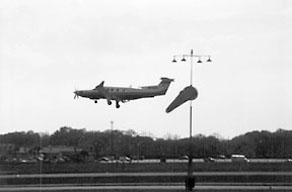
[IMGCAP(1)]One of the most basic tenets in aviation is that an airplane ought to take off and land into the wind. Yet each year the accident statistics show that some pilots refuse to follow this basic rule. And each year the tailwind factor results in bent aluminum, injured passengers, or worse.
Right off well acknowledge that there are occasions when a downwind departure is necessary. For example it is quite common due to ATC traffic flow and airport congestion at large terminals such as JFK, LaGuardia, Teterboro or Washingtons Reagan National. Then there are airports such as Aspen, Colo., with a mandatory downhill departure on runway 33 – often with tailwinds – due to surrounding t…
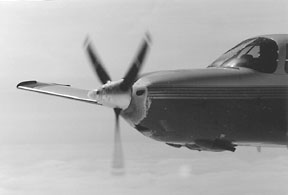
Canceling trips at the mere hint of ice in the forecast is an option. But think it through and you might fly more often than not.
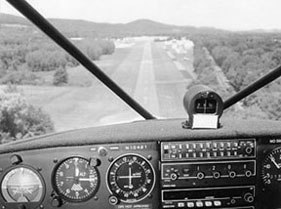
When slumming down from a heavier airplane to a lighter one, watch the V-speeds and dont count on the automation; there isnt any.
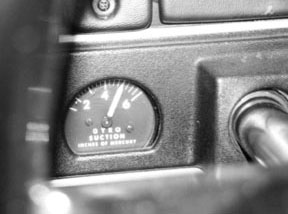
Partial panel isnt a death sentence, but backups – from simple manifold suction to complete panel redesign – turn it into a nonevent.

Get the latest stories & special offers delivered directly to your inbox.
SUBSCRIBE