Accident Probes

Air Filters

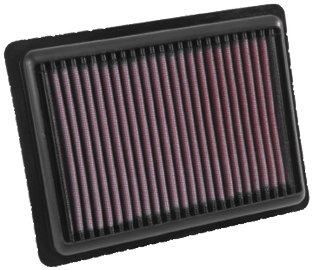
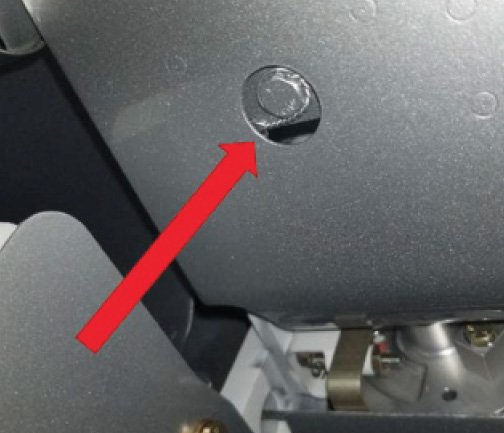
Receiving inspection of new air filters (p/n P107336) revealed three out of four had a defective sealing surface, causing the sealing/mating surface to crack and crumble. This defective sealing surface could potentially enter the engine. The defective filters sealing surface has a light-gray color while the replacement filters we received, inspected and found to be in serviceable condition had a dark gray, almost black sealing surface. Suspect that the defective filters had improper material on the sealing surface or were improperly cured.

Read More »

Cockpit Stress

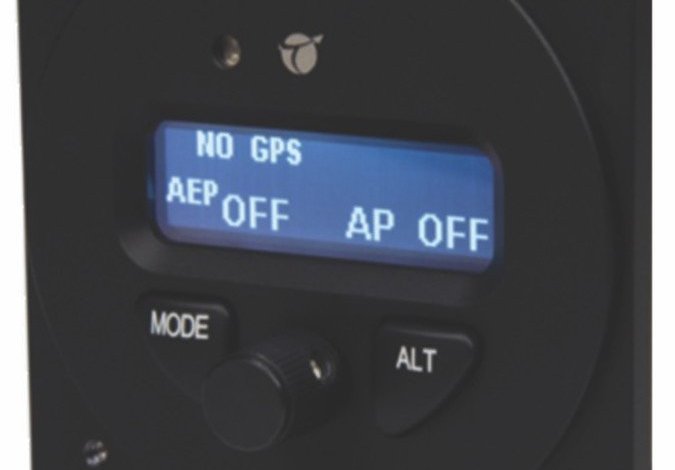
Knowing of the low overcast, if that pilots autopilot had this auto-capture feature, his motivation would have been to ease his workload and obviate spatial disorientation during transition into the clag. The effect of his action would have been to capture the airport elevation as target altitude. The TruTrak, at least, takes a few seconds to process and implement settings, so that the airplane would be expected to do exactly what it did: ascend into the clouds and a few seconds later return to the preset target altitude of the runway.

Read More »

Superior Pulls Engines From Service

When we first learned of the breadth of the detonation problem, we contacted XP-400 engine owners and paid to have them ship their engines to our facility for evaluation, Superiors Bill Ross told sister publication Kitplanes. We disassembled, inspected and tested the key components in each engine, he said, but even after adjusting the ignition timing specification, the results were still unsatisfactory. In response, the company decided to ground affected engines and create a buyback program.

Read More »

Losing Attitude

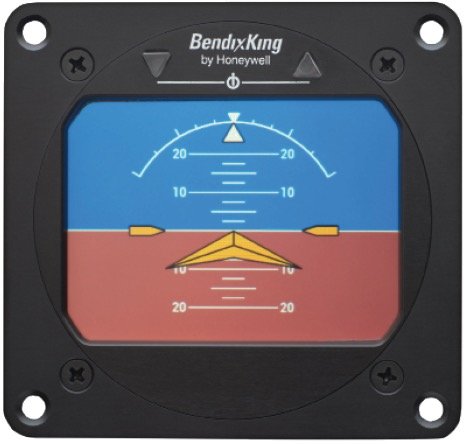
All other things being equal, one of the benefits of a primary flight display (PFD, which presents flight instrumentation on an electronic panel) is its use of a solid-state attitude and heading reference system, sometimes known as an AHARS. By using an AHARS to determine which side is up and in which direction the airplane is pointed, the vacuum-driven system is avoided and usually only an electrical system failure or failure of the display itself can eliminate the flight instruments. (Certification rules require backup flight instruments when a PFD is present but not when steam gauges are energized by a vacuum pump.)

Read More »

NTSB Reports

As the airplane was vectored to avoid cells and areas of heavy precipitation, the controller queried the pilot about his inability to maintain assigned headings. The pilot reported that his autopilot had kicked off and that the winds are really weird up here. At about 1310, the airplane slowed to about 70 knots groundspeed on a northeasterly heading before it began an accelerating 90-degree right turn to the south. By 1313, the controller again asked, …appears you’ve turned back to the northwest and…are you going to turn back eastbound? The pilot replied, I don’t know what’s going on up here. I’m working on instruments…acting really goofy here. Shortly thereafter, the airplane turned and descended from a northerly heading sharply to its right. The radar track tightened to the right as the target rapidly descended, then disappeared at about 1315 in an area that depicted heavy precipitation.

Read More »

Bad Bushings

Found damage on shock absorber assembly. Damage caused from the top boss contacting the shaft shock absorber shaft. The bushing was discovered missing on three aircraft at the same flight school. The manufacturer was notified of damage, affected parts replaced and the aircraft was returned to service. The quality/airworthiness department is currently reviewing work orders in an effort to isolate aircraft affected by this missing bushing. All three aircraft with missing bushings had between 1300 and 1400 hours total time.

Read More »

Lessons Not Learned

The accident occurred nine years almost to the day after an 18,600-hour airline transport pilot flew a Beech Baron into the lake just after departing from the same airport on a nighttime positioning flight. In the case of the Citation, the Board surmised that due to the pilots recent transition from a Citation Mustang with a different panel layout, he might have been unaware that hed never engaged the autopilot as hed presumably intended. On the night of the Baron accident, ceilings were 25,000 feet and visibility unrestricted, but the moon and city lights were behind the pilot once he turned north over the lake.

Read More »

Nationwide Roaming

Pilots fly for a variety of reasons. If youre like me, transportation is the main reason to own an airplane. Flying a single-engine general aviation airplane can be an effective way to travel for business and personal reasons, especially in this era of degrading, inflexible and unpredictable airline service. However, to safely use small aircraft for this purpose and manage the risks, you need to expand the scope of your typical planning efforts and be ready to change schedules and even cancel some portions of a trip. This is especially true if, like me, your travel requirements include the entire United States.

Read More »

Carrot, Meet Stick

Since the deadline was established, rumors about how the FAA will handle the coming transition have ranged from extending the deadline at the last minute to dismantling every non-compliant aircraft within Class B airspace and selling them for scrap on January 2. Im so old I remember when Mode C first was required in certain airspace, and ATC would routinely accommodate non-complying aircraft. Later, they wanted at least an hours notice, and the request could be denied. In my experience, ATC has always tried its best to cut some slack on Mode C, especially if everything was working when you took off.

Read More »
Pilot in aircraft
Sign-up for newsletters & special offers!

Get the latest stories & special offers delivered directly to your inbox.

SUBSCRIBE