J. Mac McClellan

Left Seat: The New Partial Panel

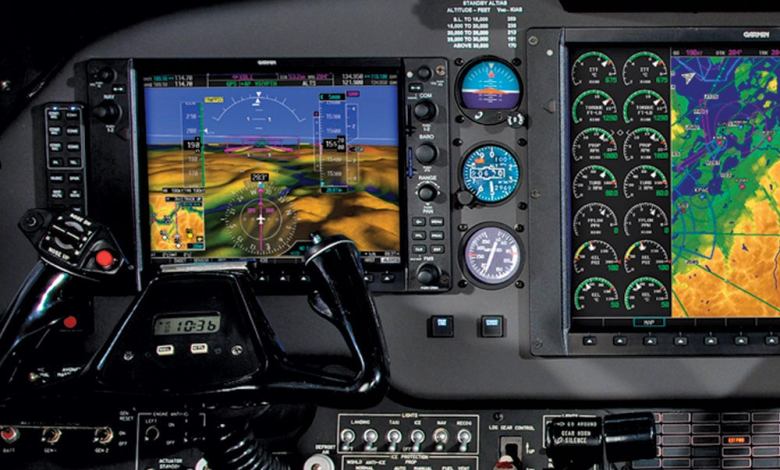
For decades pilots of light airplanes have practiced flying instruments using only what we called a “partial panel,” meaning that several crucial instruments were not operating. Being able to control the airplane in instrument meteorological conditions (IMC) without all of the primary instruments functioning is absolutely crucial because a loss of control in the clouds […]
Read More »

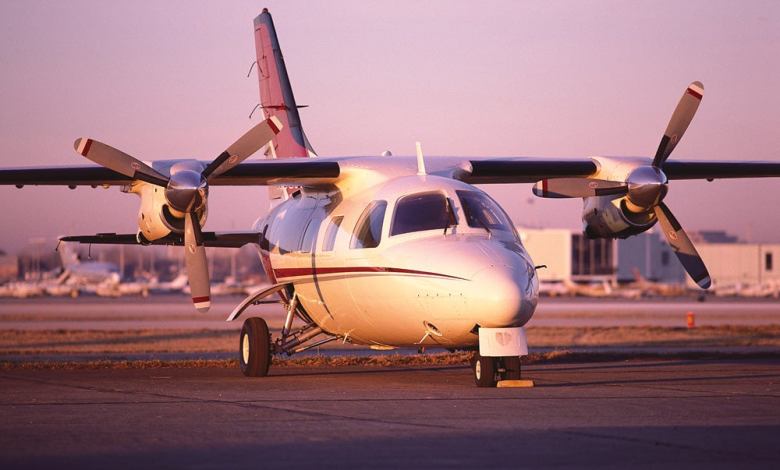
Understanding Electrical Systems

I sometimes chuckle when I think about the complexity of the electrical systems in new airplanes, particularly single-engine airplanes. Most current production singles have multiple electrical buses, more than one electrical power source and, often, emergency backup batteries. And that’s great. But there is still only one engine, and if it quits, the airplane is […]

Read More »

Left Seat: When Backup Systems Lie

By now I should know to expect anything and everything to fail while training in a flight simulator, but experienced instructors like FlightSafety’s Fred Pfeiffer can concoct scenarios that I never thought of before. The purpose is to make you think about the airplane and its systems, but also to reinforce that complacency is the […]

Read More »

PiperSport to Grow Training

Piper is a company built on the two-seat Cub, the light-sport airplane of its day, and now, with introduction of the PiperSport, it is returning to its roots. The PiperSport, a two-seater in the Light-Sport Airplane (LSA) category, gives the company a new entry level in terms of cost, particularly for flight training. The PiperSport […]

Read More »

All Grown Up: The Cessna CJ4

The controls felt like a Citation CJ, but the numbers on the new Collins Pro Line 21 displays didn’t belong to any CJ I had ever flown. Level at 45,000 feet, the true airspeed was 425 knots. And it had taken only 23 minutes to reach that rarified altitude after a near-maximum weight takeoff. How […]

Read More »

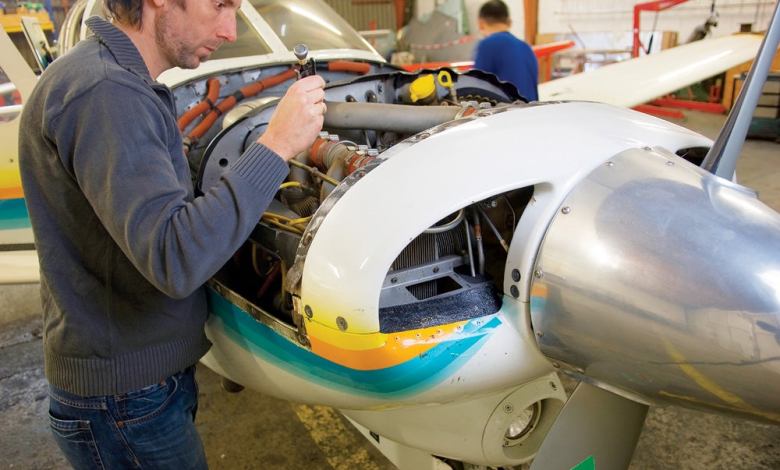
Left Seat: Anatomy of an Annual

What really scares pilots and airplane owners? Is it an instrument approach to minimums? Not really. With proper training and a good flight director, nailing the approach is a piece of cake. How about a crosswind landing? They’re tough, but with practice you can learn how to master the technique. Maybe thunderstorms? Nah. Having satellite-delivered […]

Read More »

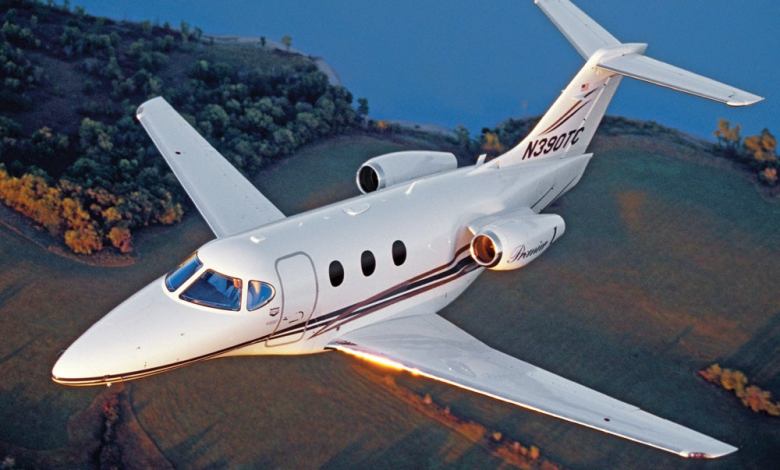
Moving Up to a Jet

It’s individuals, not corporations, who dominate orders for new business jets. Many — probably most — of those jets will be flown by professional crews, but increasing numbers will be piloted by their owners at least some of the time. That means hundreds of pilots will transition from some sort of propeller-driven airplane into a […]

Read More »

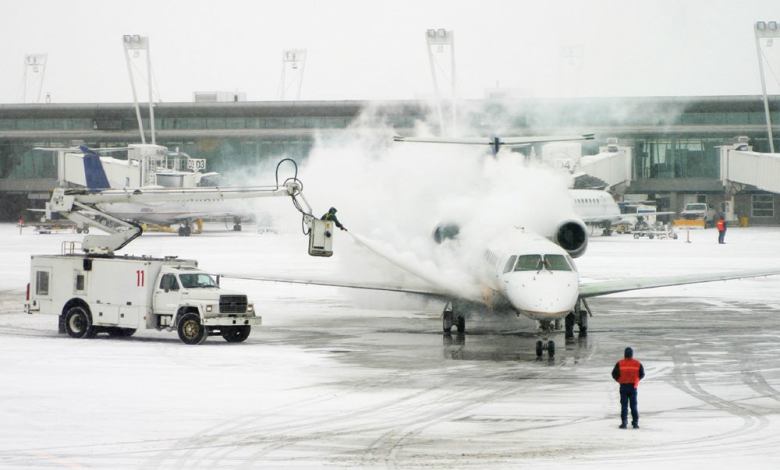
Winter Weather’s Dirty Half-Dozen

When any pilot considers cold-weather flying, in-flight airframe icing is first and foremost on the list of worries. Icing is an important safety risk to all types of airplanes, and a great deal of cost and effort is spent to avoid icing or to safely remove it or prevent it from accumulating. But the cold […]

Read More »

Left Seat: Tough Training Rules Can Work

I was talking not long ago with a relatively new pilot and Cirrus owner who also is the founder of a very successful software company. This fellow enjoys flying his airplane immensely but, like all of us, is concerned about the accident rate in piston-powered airplanes. What frustrates this pilot is how many light-airplane accidents […]

Read More »

Within Weight Limits

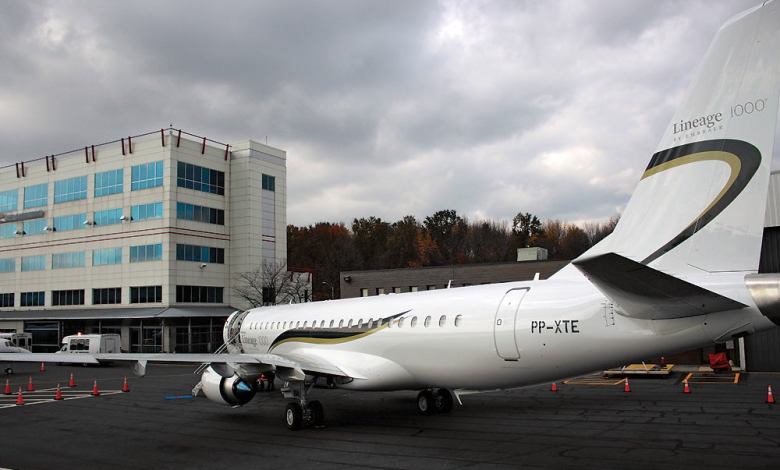
The very busy Teterboro Airport in New Jersey just a few miles west of Manhattan has had a 100,000-pound aircraft weight limit in place since the 1960s, and that has effectively kept the Boeing and Airbus business jets from operating there. But the Embraer Lineage 1000, a business-jet version of the 190 airliner, can meet […]

Read More »
Pilot in aircraft
Sign-up for newsletters & special offers!

Get the latest stories & special offers delivered directly to your inbox.

SUBSCRIBE