Michael J. Banner Thursday, February 20, 2020

Wake Turbulence and Situational Awareness

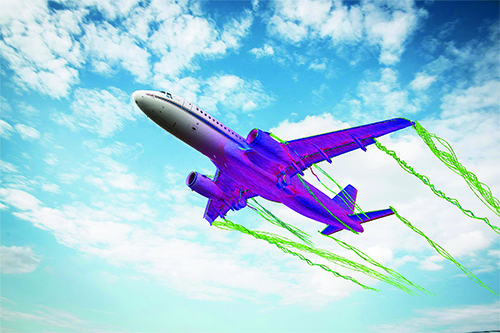
Editor’s note: Last month’s issue included a cover story on wake turbulence and how we may encounter it even when our training suggests it shouldn’t be a factor in our operations. This article is a companion piece, featuring a deeper dive into wake turbulence characteristics and behavior to help us predict where it is and […]
Read More »
Michael J. Banner Saturday, August 31, 2019

Engine-Out Energy Management

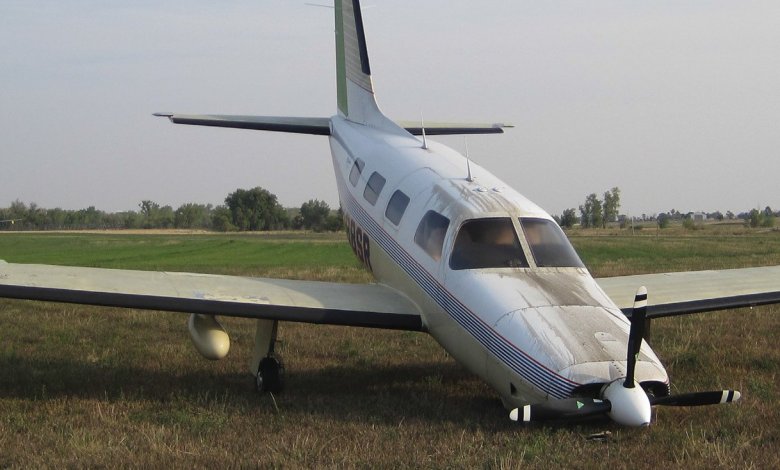
Moreover, the FAAs Airman Certification Standards (ACS) for private and commercial certificates specify that pilots are to have knowledge of EM concepts for many maneuvers. They include emergency approach and landing, soft-field/rough-field landing, normal approach and landing, short-field landing, various types of water landings, power-off 180-degree accuracy approach and landing and go-around/rejected landing. The word knowledge implies pilots should have, at least, a basic understanding of EM concepts and be able to apply these concepts to tasks in the FAAs ACS.

Read More »
Michael J. Banner Thursday, May 24, 2018

Braking Tactics

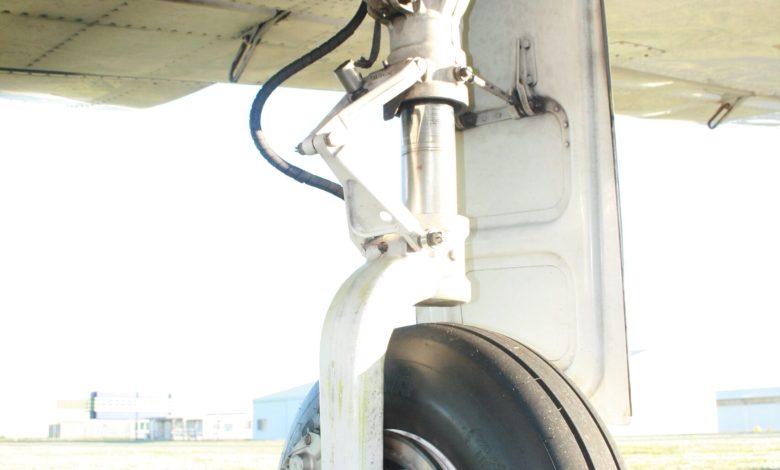
While conducting flight reviews and stage checks for students working toward various airman certificates, Im finding pilots who do not have a strong understanding of the operation and limitations of light aircraft braking systems. Ive also noticed many pilots misuse the brakes in landing and taxiing. For the former, brakes are incorrectly and/or unnecessarily applied immediately following landing. For the latter, excessive engine power requires the pilot to ride the brakes to control the airplane. Both are examples of poor technique.

Read More »
Michael J. Banner Friday, November 18, 2016

Mismanaging Flight Energy

Loss of control in-flight (LOC-I) has become the safety issue du jour, and justifiably so. According to the NTSB, between 2001 and 2011, over 40 percent of fatal fixed-wing GA accidents occurred because pilots lost control of their airplanes. Takeoff and climb, landing and maneuvering are regarded to be the flight phases in which pilots are most susceptible to LOC-I,

Read More »
Michael J. Banner Monday, April 18, 2016

Pattern Ops

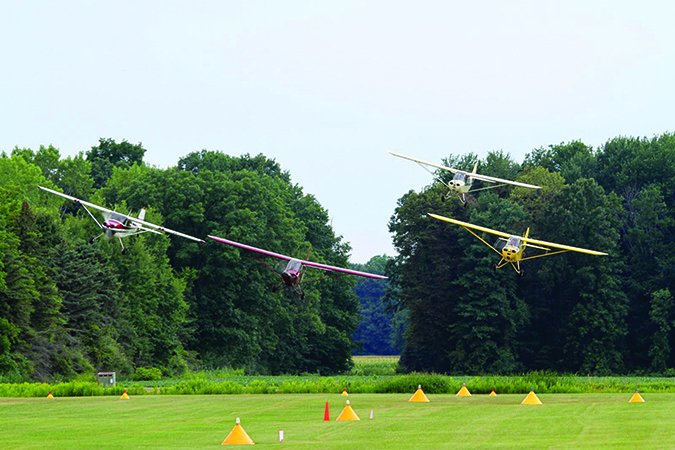
Spend enough time at a non-towered airport, as I have, and youll eventually see every traffic-pattern variation you thought possible. Traffic patterns at towered facilities, of course, are subject to ATC management. The controllers job is to sequence and separate traffic on the runway(s). In the absence of local controllers, non-towered airports use the traffic-pattern procedures first drummed into primary students during landing practice.

Read More »
Michael J. Banner Tuesday, January 19, 2016

The Perils Of Forward CG

Anyone whos made it through primary training knows the importance of determining an airplanes weight and balance. From that training, we know there are real limitations on how much it can carry and where that weight-whether in fuel, cargo or passengers-can be. We also know a lighter airplane performs better than a heavy one, and that weight concentrated near the fore or aft limits can affect aircraft performance.

Read More »
Michael J. Banner Friday, March 20, 2015

Autopilots And Their Errors

They go by different nicknames-George and Otto probably are the most popular-and have become an integral part of even a basic IFR platforms standard equipment, especially when flown single-pilot. And because the latest high-tech versions on the market can do just about anything for you except eliminate a potty stop, theyve proliferated throughout all segments of the general aviation fleet. They, of course, are autopilots-electromechanical systems used to control an aircraft, and available in a wide variety of configurations and capabilities from simple wing-levelers to full-blown flight directors rivaling the modern transport jet you rode in last week.

Read More »
Michael J. Banner Thursday, October 30, 2014

All About Ailerons

Last month in this space we tackled “Proper Rudder Use,” pointing out that in many situations involving angles of attack (AoA) at or near the stall, rudder and not aileron should be the control used to maintain both heading and a wings-level attitude. We also explored how rudder is used to compensate for adverse yaw, and presented a simple exercise pilots can use to demonstrate both its proper and improper application.

Read More »
Michael J. Banner Tuesday, September 16, 2014

Proper Rudder Use

In his seminal book Stick and Rudder, Wolfgang Langewiesche states the rudder “…causes the greatest difficulty for beginners,” and “….even the more experienced pilot often has trouble using it correctly.” Commenting on improper rudder use as a contributing factor in accidents, he states, “In the typical fatal accident, which involves a stall and a spin, misuse of the rudder is almost always partly to blame….”

Read More »
Loading Posts