













Register

Wake Turbulence and Situational Awareness

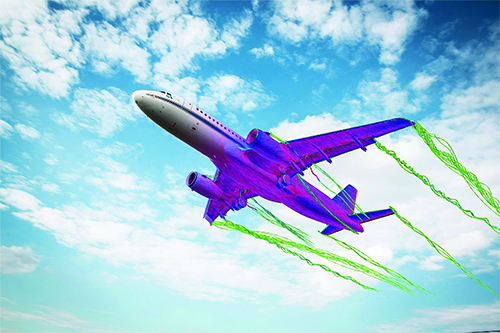
This computer-generated image was created by the German space agency, the DLR, using complex algorithms, to simulate air flow around one of its research aircraft, an Airbus A320.
Gemini Sparkle

Key Takeaways:

  • Wake turbulence consists of invisible, high-energy wing tip vortices generated by aircraft lift, posing significant rolling and turbulence risks to following aircraft.
  • These vortices move laterally with the wind (e.g., 1000 ft/min with a 10-knot wind) and sink, requiring pilots to maintain high situational awareness to envision their potential location, especially near runways.
  • A three-step risk management strategy (identify hazards, assess risks, mitigate) is crucial for avoidance, which includes waiting 3-5 minutes before takeoff behind a large aircraft or performing a go-around if suspected during landing.
  • Proactive thinking, strong situational awareness of wind conditions, and anticipating vortex movement are key to preventing hazardous encounters with wake turbulence.
See a mistake? Contact us.

Editor’s note: Last month’s issue included a cover story on wake turbulence and how we may encounter it even when our training suggests it shouldn’t be a factor in our operations. This article is a companion piece, featuring a deeper dive into wake turbulence characteristics and behavior to help us predict where it is and how to avoid it.

Wake turbulence is a mostly invisible and potentially violent byproduct of lift generation. When an airfoil passes through the atmosphere, a pressure differential is produced, with the lowest pressure over its upper surface and the highest underneath. While creating the lift we need, this pressure differential also causes air to roll up and over the wing tip, where it meets and generates a horizontally aligned, high-energy and invisible vortex—a horizontal tornado, if you will—trailing aft of the wing tip. Every aircraft depending on an airfoil to generate lift, including helicopters, generates these vortices while airborne.


Ready to Sell Your Aircraft?

List your airplane on AircraftForSale.com and reach qualified buyers.

List Your Aircraft
AircraftForSale Logo | FLYING Logo
Pilot in aircraft
Sign-up for newsletters & special offers!

Get the latest stories & special offers delivered directly to your inbox.

SUBSCRIBE