














Register

Are Surface Observations Based on Instantaneous Measurements?

All observations, whether automated or taken by human observers, should be used with care.

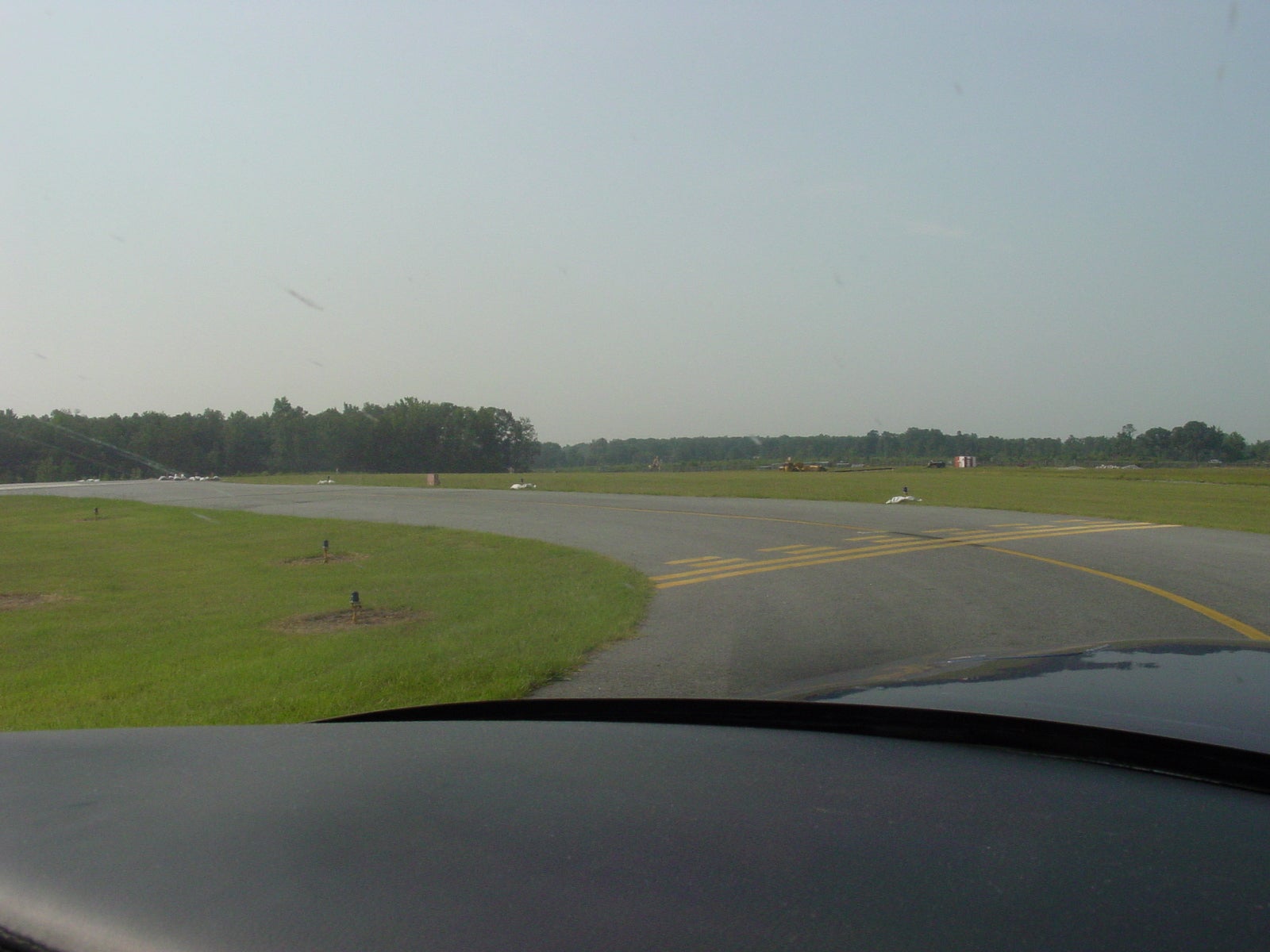
At many airports listening to the one-minute weather will provide the latest altimeter setting, winds, visibility, and sky conditions prior to departure. [Courtesy: Scott Dennstaedt]
Gemini Sparkle

Key Takeaways:

  • Automated surface observations (ASOS/AWOS) are not instantaneous; they continuously sample and process weather data over specific time intervals (e.g., 30 mins for sky conditions, 10 mins for visibility) to provide a representative report.
  • Due to this sampling and processing, automated observations can significantly lag behind rapidly changing weather conditions, taking several minutes to accurately update on shifts in cloud layers or visibility.
  • Automated systems have limitations, only reporting weather directly through their sensor array (not "vicinity" weather), typically clouds below 12,000 feet, only one precipitation type at a time, and excluding various specific phenomena like virga or blowing dust/sand.
  • A "lockout period" exists near the top of the hour when ASOS cannot issue formal observations, and automated reports may occasionally differ from human visual perception, such as reporting higher visibility in bright conditions.
See a mistake? Contact us.

Are surface observations based on measurements that are done instantaneously? 

Answer: Whether in the form of a METAR or by the ground-to-air radio broadcasts, every pilot uses surface observations to make many routine operational decisions during any particular flight. As we listen to the broadcast prior to taxi, it provides us with an altimeter setting and will likely determine the runway we use for departure.

When approaching an airport under instrument flight rules (IFR), it will help us determine if we’ll be flying a visual approach or need to execute a standard instrument approach procedure. And when Mother Nature is at her worst, it will let us know when we should skip the airport altogether and fly to our alternate destination.


Scott Dennstaedt, Ph.D

Scott resides in Charlotte, North Carolina, and flies regularly throughout the Mid-Atlantic and Southeast U.S. He is a CFI and former NWS meteorologist. Scott is the author of "The Skew-T log (p) and Me: A Primer for Pilots" and the founder of EZWxBrief.

Ready to Sell Your Aircraft?

List your airplane on AircraftForSale.com and reach qualified buyers.

List Your Aircraft
AircraftForSale Logo | FLYING Logo
Pilot in aircraft
Sign-up for newsletters & special offers!

Get the latest stories & special offers delivered directly to your inbox.

SUBSCRIBE
