













Register

Air Compare: Beechcraft A36 Bonanza vs. Bonanza V-tails

Differences between the V-tail and T-tail Bonanza versions exist and are significant enough to show up on a comparative level.

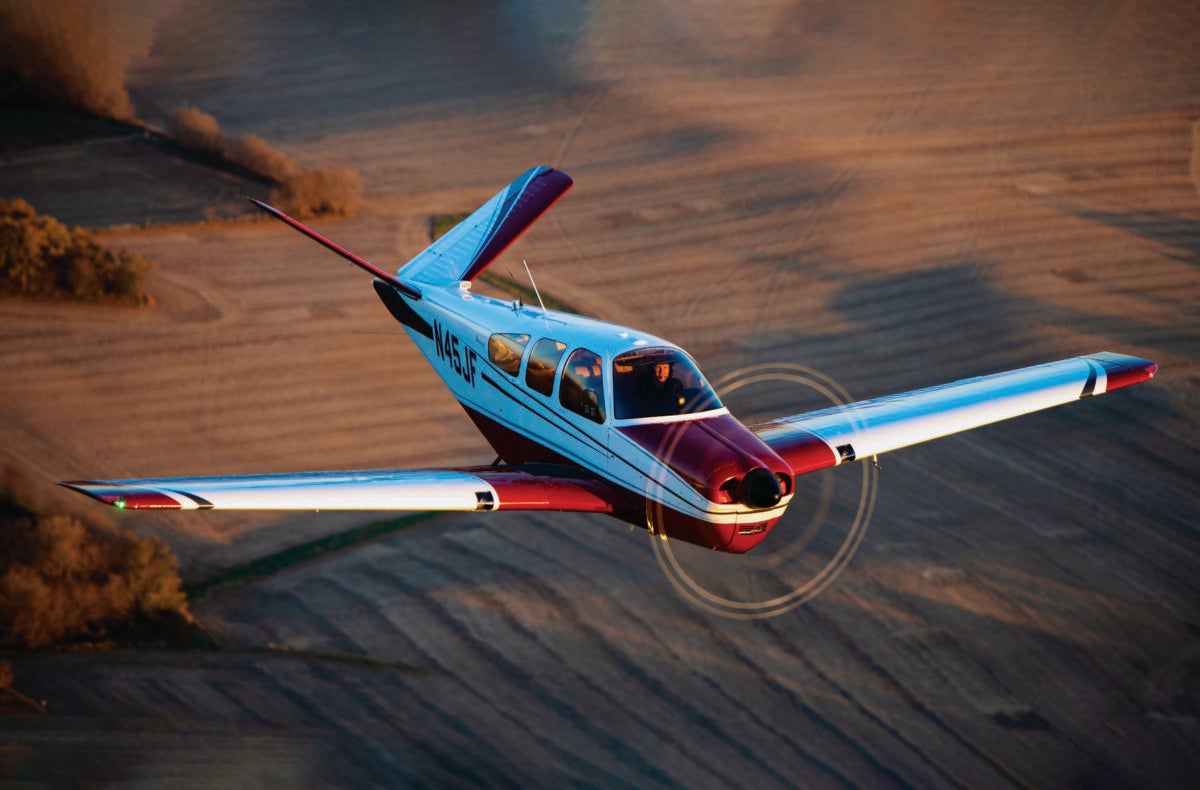
Differences between the V-tail and conventional-tail Bonanza versions exist and are significant enough to show up on a comparative level. [Leonardo Correa Luna]
Gemini Sparkle

Key Takeaways:

  • The Beechcraft Bonanza series, starting with the V-tail Model 35 in 1947, was a revolutionary post-WWII design for cross-country flying, evolving into the conventional-tail, six-seat Model 36, both known for their reliable performance.
  • Both V-tail (Model 35) and conventional-tail (Model 36) Bonanzas maintain strong market value; the Model 36 is generally more sought-after due to its increased capacity and better manufacturer support, while the V-tail offers good value despite some historical design concerns.
  • Ownership requires attention to maintenance, potential upgrades, and leveraging resources like the American Bonanza Society, which provides crucial support and is actively seeking solutions for parts scarcity, such as the V-tail ruddervator skins.
  • While celebrated for their flight characteristics, the Bonanza fleet faces future challenges, primarily the impending transition away from leaded avgas, which will impact all models by 2030.
See a mistake? Contact us.

The epitome of a cross-country flyer, the Beechcraft Bonanza Model 35 series—with its distinctive V-tail—debuted in 1947, produced in Plant II at the Beechcraft manufacturing facility at Beech Factory Field (K BEC) on the east side of Wichita, Kansas. The company had already made its name with the stately Beech 18 and Beech 17 Staggerwing—but it was ready to enter the modern, post-World War II era with an airframe that would incorporate all of the latest advancements in instrumentation, aerodynamics, and reliability. And, it would have a tricycle-gear configuration novel to the times—but clearly the wave of the future for pilots operating out of improved strips. Retracting that gear would also allow them to gain the most in speed advantage at the same time.

The early Bonanza 35s started off as four-seat single-engine piston designs with reasonable cargo carrying space—but always more attuned to the business trip or family cruise as opposed to hauling a lot of stuff. That would come later, as Beechcraft built on the model’s popularity. The V-tail versions spoke to greater aerodynamic efficiency—and attracted the pilot looking for a distinctive ride. Yet the company went back to the conventional tail with the 36 model series that would take its place starting in 1968—as well as that of the 33 models. Why that happened is just one element of determining which Bonanza would be right for you. With more than 17,000 Bonanzas of all flavors built—and a high percentage still flying—there’s quite a selection to choose from, and they retain great value on the market to this day, more than 75 years later.


Ready to Sell Your Aircraft?

List your airplane on AircraftForSale.com and reach qualified buyers.

List Your Aircraft
AircraftForSale Logo | FLYING Logo
Pilot in aircraft
Sign-up for newsletters & special offers!

Get the latest stories & special offers delivered directly to your inbox.

SUBSCRIBE