











One of the rewards from operating personal aircraft involves meeting and overcoming challenges, particularly those self-induced by targeting an outcome and nailing it. Many pilots feel an understandable sense of accomplishment with spot-on flight planning. “Got it within two minutes!” one close friend exclaimed a few weeks back about an ETA. Others get seriously into predicting their fuel consumption, 288
Accuracy Landings
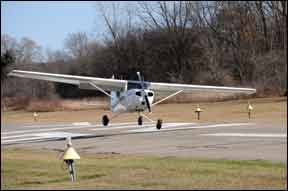
One of the rewards from operating personal aircraft involves meeting and overcoming challenges, particularly those self-induced by targeting an outcome and nailing it. Many pilots feel an understandable sense of accomplishment with spot-on flight planning. "Got it within two minutes!" one close friend exclaimed a few weeks back about an ETA. Others get seriously into predicting their fuel consumption, then comparing their flight-plan numbers to those on the fuel truck. My aviation upbringing valued many factors, but my mentors were a little like drill sergeants over accurate landings. That meant nosewheel (or tailwheel) on the centerline, inside the touchdown zone, ideally within an airplane length of the threshold paint.

Key Takeaways:
- Precision landings are a fundamental piloting skill, crucial for safety during emergencies like engine failure and providing pilots with a strong sense of accomplishment.
- Achieving an accurate landing involves selecting a specific touchdown point early (e.g., from downwind) and precisely coordinating pitch, power, flaps, gear, and slips/skids to maintain a stable, on-target approach.
- Regular practice of these techniques, while understanding variables like ground effect and prioritizing safety by always being prepared for a go-around, is essential for skill mastery.
Key takeaways sponsored by Aviator Pro | Start Your Training ->
See a mistake? Contact us.

