











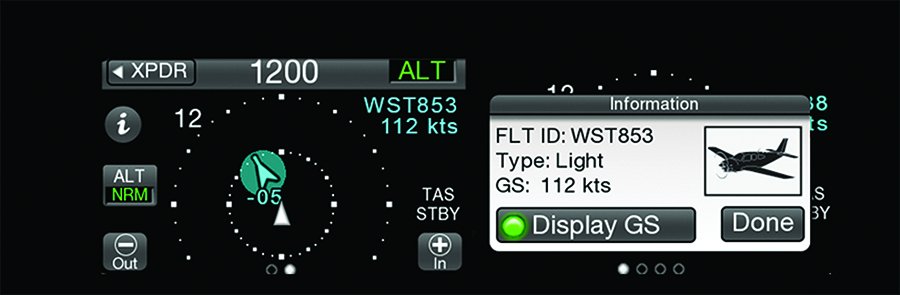


It’s not much of a stretch to say that in-cockpit traffic detection technology has never been more prevalent or popular than it is today. From the Boeings and Airbuses required to have a certified TCAS aboard, to the guy or gal banging around in a Cub on a lazy summer afternoon and using the traffic information from ADS-B, it’s likely some kind of in-cockpit traffic detection technology is available. There’s only one real problem with all of these technologies: there’s no way they detect all potential traffic, although some “see” a more complete traffic picture than others.
From that one problem, however, flow two others. The first is the false sense of security even a top-of-the-line system can provide. The second is the extra workload—and especially the additional head-down time—to which pilots are susceptible as they watch the traffic display and not the sky outside the aircraft. But even the best traffic detection and alerting system won’t see an aircraft without a transponder, and the traffic information provided via ADS-B has its own set of considerations, which are summarized in the sidebar on the opposite page. Let’s take a look at why all this is true.

