











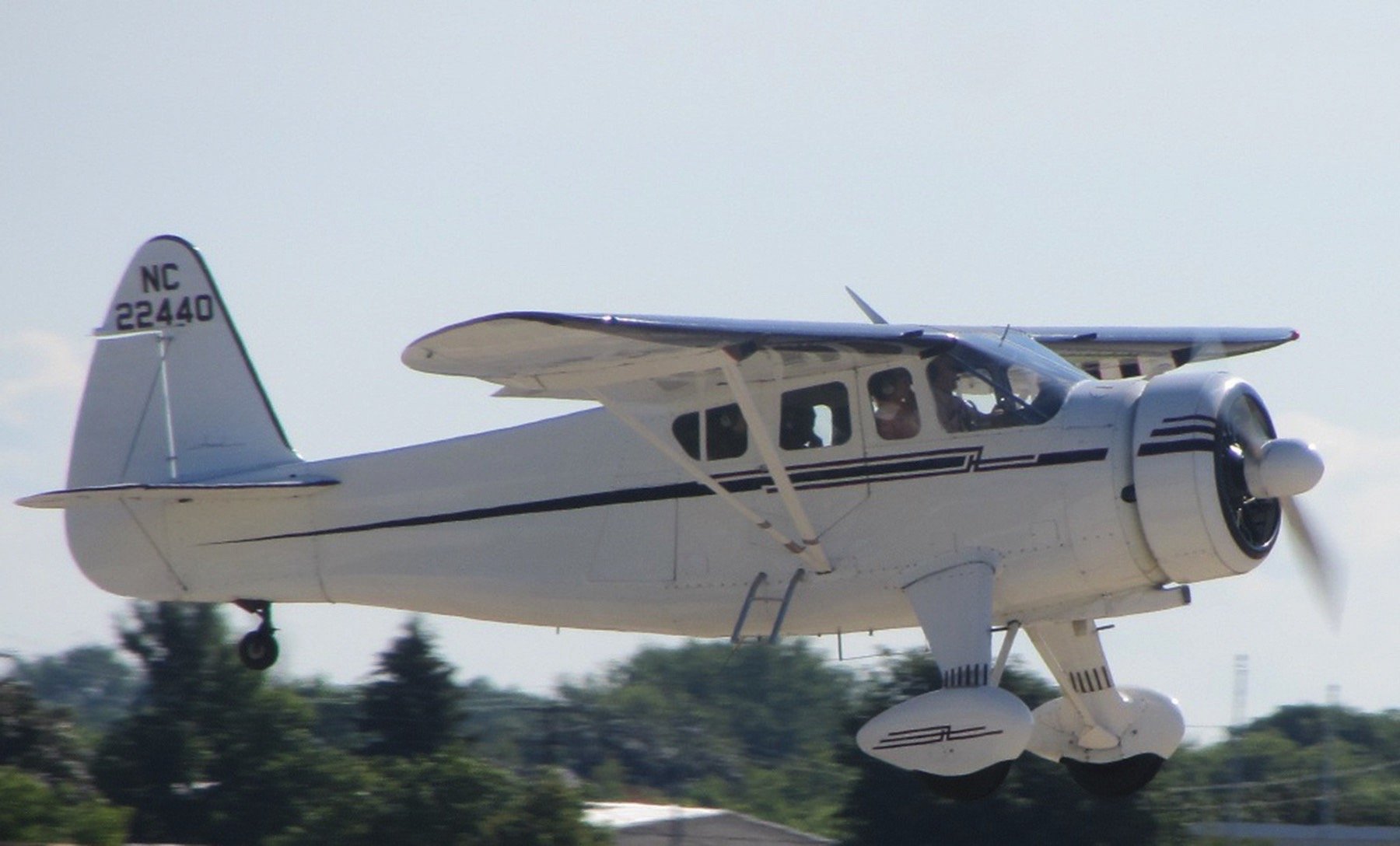


One of the first things student pilots learn is how to recover from a balked landing and go-around. Sometimes, the approach is so bad that we don’t even get to the “balk” part. But when we do—as when recovering from a bounced landing—we’re exposing ourselves to the bottom corner of an airplane’s operating envelope: low airspeed and high power. Just to make it fun, we’re also close to the ground and in the landing configuration.
Convincing the airplane that you’ve changed your mind and now want to climb—at the best rate, by the way—requires adding power, arresting the descent and beginning a climb, reconfiguring the airplane and ensuring directional control. While the order in which we perform these tasks varies—check your POH/AFM for the details—we still have to fly the airplane as we accomplish them. That means we can be tempted to add full power when doing so is probably not what we want to do.

