











Aside from annual inspection, one of the most dreaded chores of aircraft ownership is complying with FAA-required pitot, static and transponder system recertification. You do comply, dont you? Maybe its the hassle of clearing your schedule to fly the airplane to the shop for the inspection. Or the bigger hassle when the inspection reveals problems that create unplanned expense because the huge amount of labor involved with static-system repairs can cost real money. 288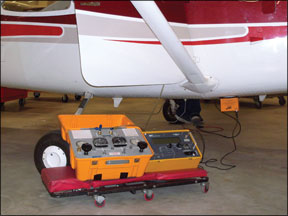
Pitot/Static Checks
Aside from annual inspection, one of the most dreaded chores of aircraft ownership is complying with FAA-required pitot, static and transponder system recertification. You do comply, dont you? Maybe its the hassle of clearing your schedule to fly the airplane to the shop for the inspection. Or the bigger hassle when the inspection reveals problems that create unplanned expense because the huge amount of labor involved with static-system repairs can cost real money. For the aging fleet of steam-gauge equipped aircraft, pitot/static systems and related instruments often require repair or rebuild. Many owners motor along clueless to their substandard system.

Key Takeaways:
- FAA regulations (FAR 91.411 for IFR, 91.413 for all aircraft) mandate pitot/static and transponder system recertification every 24 calendar months and after specific maintenance, emphasizing compliance and airworthiness.
- These inspections are critical for verifying the accuracy of altimeters, static systems, and transponders, as they are susceptible to various errors (mechanical, leakage, installation) that directly impact flight safety, particularly in IFR conditions or dense airspace.
- Maintaining accurate and complete logbook records, including instrument serial numbers, correction cards, and AD compliance, is crucial to streamline the certification process and reduce associated labor costs.
- Neglecting these mandatory checks or using inadequate shops can lead to severe safety hazards due to unreliable instrumentation, costly future repairs, and potential FAA enforcement actions.
Key takeaways sponsored by Aviator Pro | Start Your Training ->
See a mistake? Contact us.

