











An in-flight fire is most pilots greatest fear, surpassing even a mid-air collision. Although relatively rare, the unique combination of combustible materials and ignition sources available in the typical personal airplane means an in-flight fire must be dealt with quickly and decisively. Doing so usually means disabling systems to deprive the fire of its fuel or ignition sources, and employing a fire extinguisher 288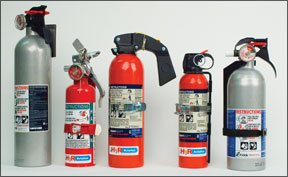
Fighting Fires
An in-flight fire is most pilots greatest fear, surpassing even a mid-air collision. Although relatively rare, the unique combination of combustible materials and ignition sources available in the typical personal airplane means an in-flight fire must be dealt with quickly and decisively. Doing so usually means disabling systems to deprive the fire of its fuel or ignition sources, and employing a fire extinguisher to smother it. A quick landing, even if off-airport, may be necessary. The problem? Our cockpits feature an abundance of materials capable of sustaining a fire. Carpeting, insulation, upholstery and paper charts are present in even the most basic airplane. This is true even if every scrap of fabric has passed an FAA-approved burn test. Throw in a fuel line or two-whether routed through the fuel selector, flowing via a capillary line to a fuel pressure gauge, or resulting from the designers basic need to move fuel from the tanks to an engine-and youve got another, much more combustible material.

Key Takeaways:
- In-flight fires are a major concern for pilots due to the abundance of combustible materials and fuel sources in aircraft cockpits, necessitating swift and decisive action.
- Halon fire extinguishers are strongly recommended for aircraft over dry chemical types, as dry chemicals severely impair cockpit visibility, cause breathing difficulties, and leave corrosive residues.
- Testing demonstrated Halon's immediate effectiveness with minimal side effects, while dry chemical extinguishers created a large, vision-obscuring powder cloud; consequently, a Halon unit is preferred and crucial alongside good maintenance practices to mitigate fire risks.
Key takeaways sponsored by Aviator Pro | Start Your Training ->
See a mistake? Contact us.

