













Register

The Human Factor: Unstable Personalities

Gemini Sparkle

Key Takeaways:

  • Failure to go around during an unstable approach is a leading factor in aviation accidents and runway excursions, with an estimated 97% of aircrews continuing unstable approaches despite regulations.
  • A study found that pilots who tend to continue unstable approaches exhibit lower situational awareness, are less able to anticipate risk, have more confidence in their ability to compensate, and are less compliant with standard operating procedures.
  • These pilots are also influenced by factors such as perceived crew pressure to land, inhibition due to cockpit authority structures, and a lack of perceived company support for go-around decisions, leading to a "normalization of deviance."
  • Recommendations to improve safety include redefining stable approach criteria, implementing active communication protocols, developing automated monitoring systems, and fostering an organizational culture that prioritizes go-arounds and involves pilots in safety procedure development.
See a mistake? Contact us.

After my article on overcoming go-around hesitation was published in the November 2012 issue of Flying, I received a message from Dr. Martin Smith about a study he and his associates at Presage Group Inc. conducted in conjunction with the Flight Safety Foundation. The goal of the study was to try to determine how commercial pilots’ situational awareness affects their safety and compliance with procedures and why pilots disregard go-around decisions required by FARs and company regulations on both visual and instrument unstable approaches. The study is part of a larger effort by the Flight Safety Foundation to identify the risks associated with a go-around.

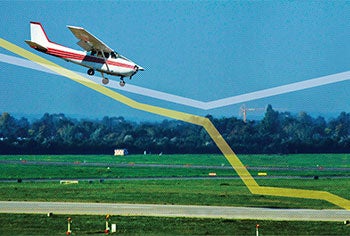
Failure to go around during an unstable approach is the leading factor in approach and landing accidents and is also the primary cause of runway excursions. It is estimated that 97 percent of aircrews that find themselves in an unstable approach condition continue the approach and land. While the study was conducted mostly with professional airline pilots from many different areas of the world, with a median of 10,000 hours total time, I believe the same results would be true for general aviation pilots.


Ready to Sell Your Aircraft?

List your airplane on AircraftForSale.com and reach qualified buyers.

List Your Aircraft
AircraftForSale Logo | FLYING Logo
Pilot in aircraft
Sign-up for newsletters & special offers!

Get the latest stories & special offers delivered directly to your inbox.

SUBSCRIBE