











One reason fuel mismanagement mishaps still comprise a large share of annual accident data is pilots forgetting to manage their fuel or doing it poorly. Another could be the less-than-exact instrumentation found aboard most GA aircraft. The bad news is only you can fix the pilot problem. 288
Counting Gallons of Fuel
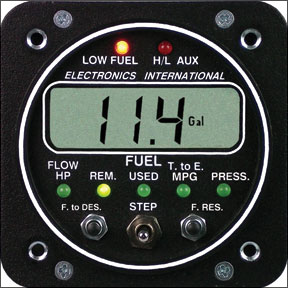
One reason fuel mismanagement mishaps still comprise a large share of annual accident data is pilots forgetting to manage their fuel or doing it poorly. Another could be the less-than-exact instrumentation found aboard most GA aircraft. The bad news is only you can fix the pilot problem. But there is good news: A fuel totalizer providing instantaneous fuel consumption data along with fuel remaining, endurance time and other useful information can eliminate shortcomings in the less-than-accurate fuel gauges installed in most personal aircraft. Even better news? When connected to a Loran or GPS, a totalizer and a navigator working together can supply distance-to-empty and reserve-at-destination information, along with your real-time mileage.

Key Takeaways:
- Fuel mismanagement, often due to pilot error or imprecise gauges, is a significant contributor to aviation accidents.
- Fuel totalizers offer a crucial solution by providing accurate, real-time data on fuel consumption, remaining fuel, and endurance.
- These systems can integrate with GPS or Loran to provide advanced metrics like distance-to-empty and fuel at destination, with various models available from different manufacturers.
Key takeaways sponsored by Aviator Pro | Start Your Training ->
See a mistake? Contact us.

