











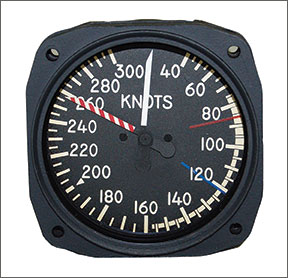


Airspeed is one of the first things we learn about in fixed-wing primary training, It’s an all-important tool for managing an airplane’s performance and helps us determine when we can do certain things, like deploying flaps or lowering landing gear. Too, pilots typically are taught to “aim” for a certain airspeed when performing various maneuvers and at various stages of normal flight. But there are different kinds of airspeed. For example, what we read directly off the instrument panel is subject to error and interpretation, and often must be corrected before it can be used for even basic tasks like navigation. Depending on the aircraft and the conditions, the airspeed instrumentation we use can be merely advisory, or it can be wildly inaccurate for our immediate needs.

Thankfully, these inaccuracies are well understood. Similarly, the effect of wind on groundspeed—which can translate into a headwind or a tailwind, depending on the wind and our direction of flight—is relatively easy to grasp. But something that may not be as well understood is the effect a crosswind can have on airspeed. What? How can the wind affect airspeed while in cruise? To find out, let’s start with a quick refresher on airspeed.

